点击链接阅读中文版:《设计中心的视觉手工艺人》
Search Enterprise or @FordOnline
Popular Terms & Topics:
Popular Tools & Resources:
Bridging the Gap: Where Imagination Meets Reality
Jan 14, 2026
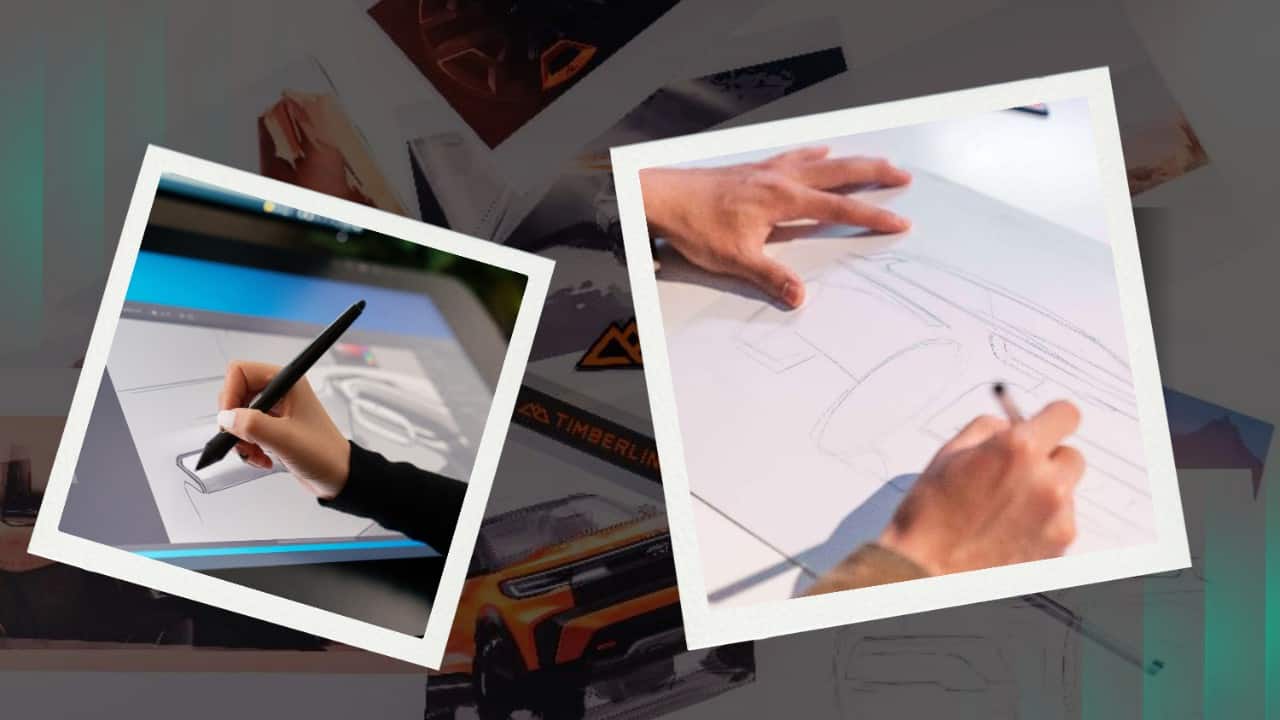
When exterior and interior designers put down their pens and finish their sketches, a new challenge arises: How do you convey these ingenious design highlights accurately and vividly to every viewer?
This is the mission of the Visualization Designers. By precisely manipulating light, shadow, materials, and scenery, they reveal the deeper intent behind the styling. They ensure that every design concept reaches the heart of the audience with clarity and impact, undiluted by the transition from mind to screen.
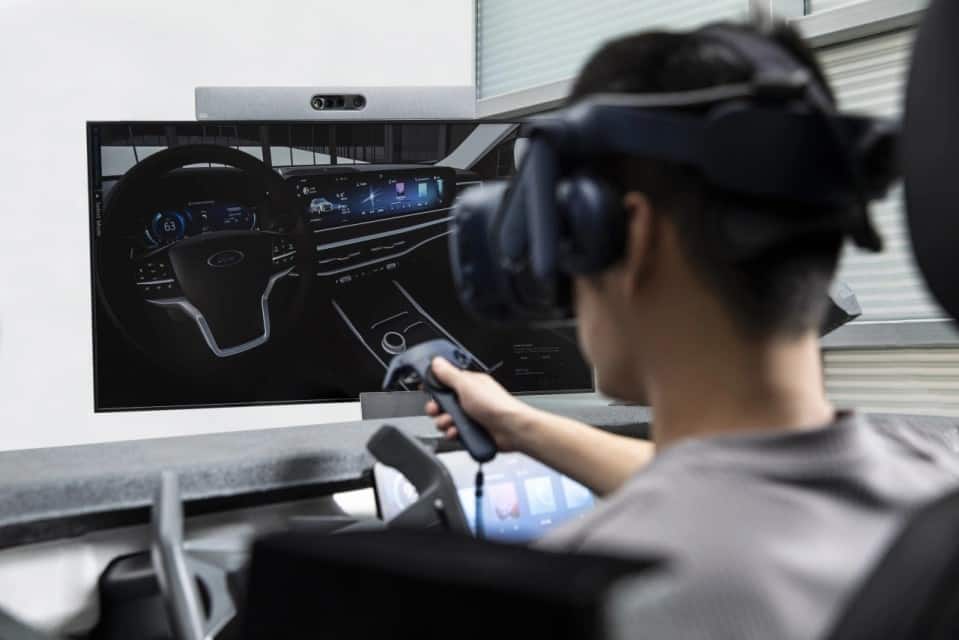
Lukas Liu, Visualization Designer
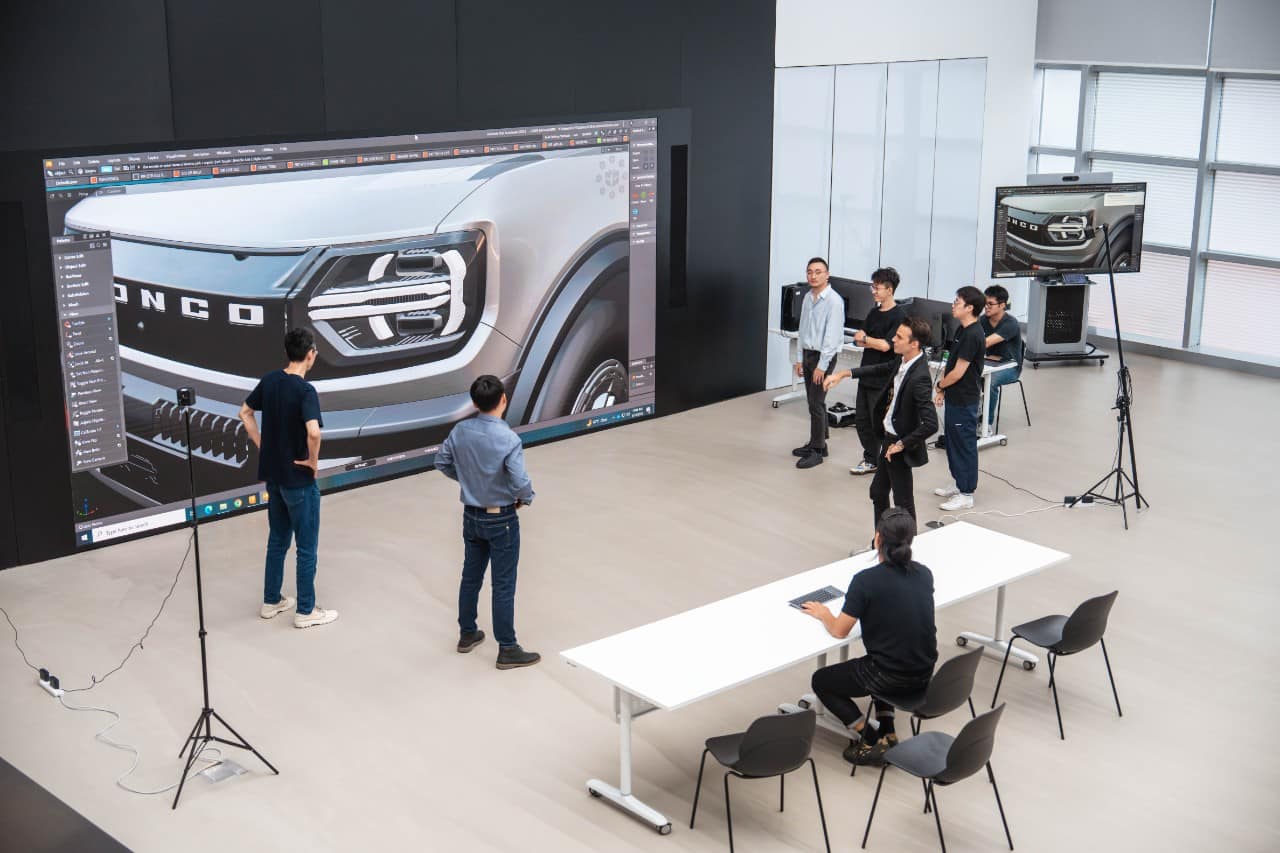
At the Ford Design Center, a visualization designer's work spans the entire lifecycle of a project. In the early exploration phase, the Human-Centered Design (HCD) team requires high-quality product renderings to visually demonstrate functional scenarios and user experiences.
Subsequently, the visualization team provides standardized base templates for exterior and interior designers. These templates come with pre-set lighting and camera angles, allowing designers to express their creativity more efficiently and freely.
At the same time, they collaborate closely with the physical modeling team, using virtual effects and physical models as mutual references for iteration, driving the continuous optimization of the design.

Lukas Liu, a visualization designer, has lived and worked in Shanghai for 12 years. With a background in industrial design, he spent his early years as a digital modeler for motorcycles before shifting his focus to visualization at Ford.
In his view, digital modeling focuses more on technical feasibility and specifications, whereas visualization builds upon that data to make the product emotionally moving. He explains that the Ford Design Center employs a diverse range of visualization formats:
- High-Quality 2D Renderings: Delivering delicate, photorealistic static visuals.
- Real-Time Design Review: Enabling instant interaction and adjustments to boost review efficiency.
- VR Dynamic Experience: Creating immersive virtual reality environments that put you inside the design.
- Product Animation: Producing high-dynamic, narrative-driven product films.
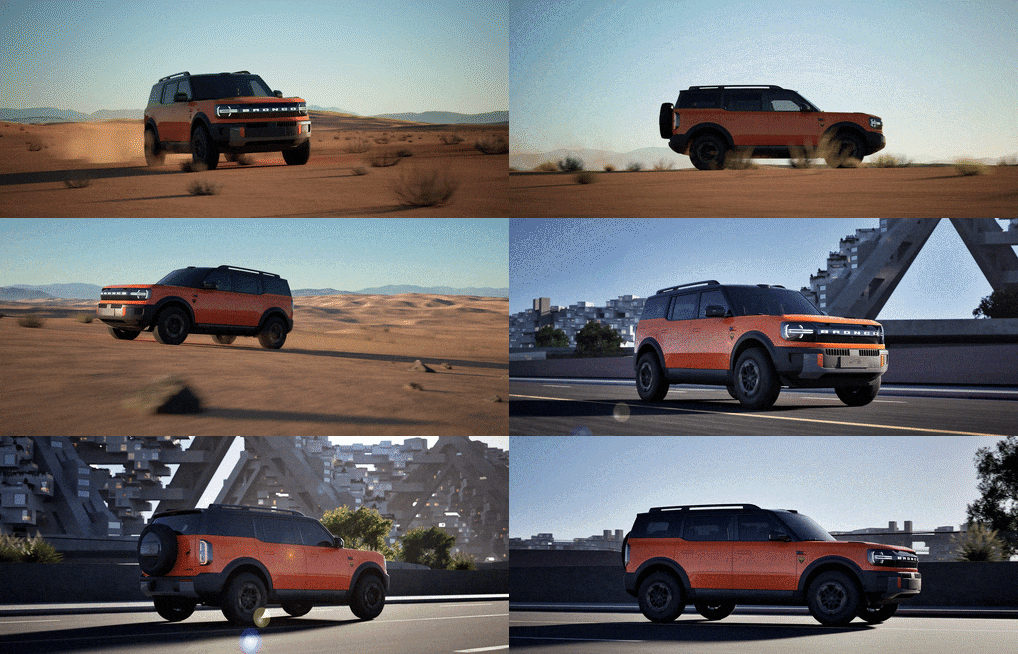
At the 2025 Chengdu Auto Show, the all-terrain scenario animation produced by the visualization team for the Ford Bronco played a crucial role.
How do you accurately highlight a stylist's ideas while integrating perspectives from different backgrounds and diverse aesthetics? For Lukas, this is a process of constant absorption and translation.
He shares an experience: Once, during a 2D rendering task, he completed a draft based on his own understanding, but a project partner felt something was missing.
Lukas realized that the partner was looking for a specific visual expression. So, he subtly intensified the lighting in certain areas of the car. Instead of pursuing absolute realism, he emphasized the design language itself to match the "tension" the partner envisioned. After several rounds of refinement, the result perfectly met expectations.
He enjoys interaction and exchange at work, also incorporates "the perspective of others" into his self-evaluation system. On one hand, he assesses whether the project flow is smoother than before, if he has learned new skills, and if the lighting, materials, and animation rhythm are on point. On the other hand, he pays close attention to questions raised by others, reflecting on the differences in their thought processes.
Perhaps it is this attitude of continuous self-awareness, openness, and eagerness to explore new technologies that led Lukas to a recent milestone: next year, he will lead the full-process digital visualization work for a new vehicle model.
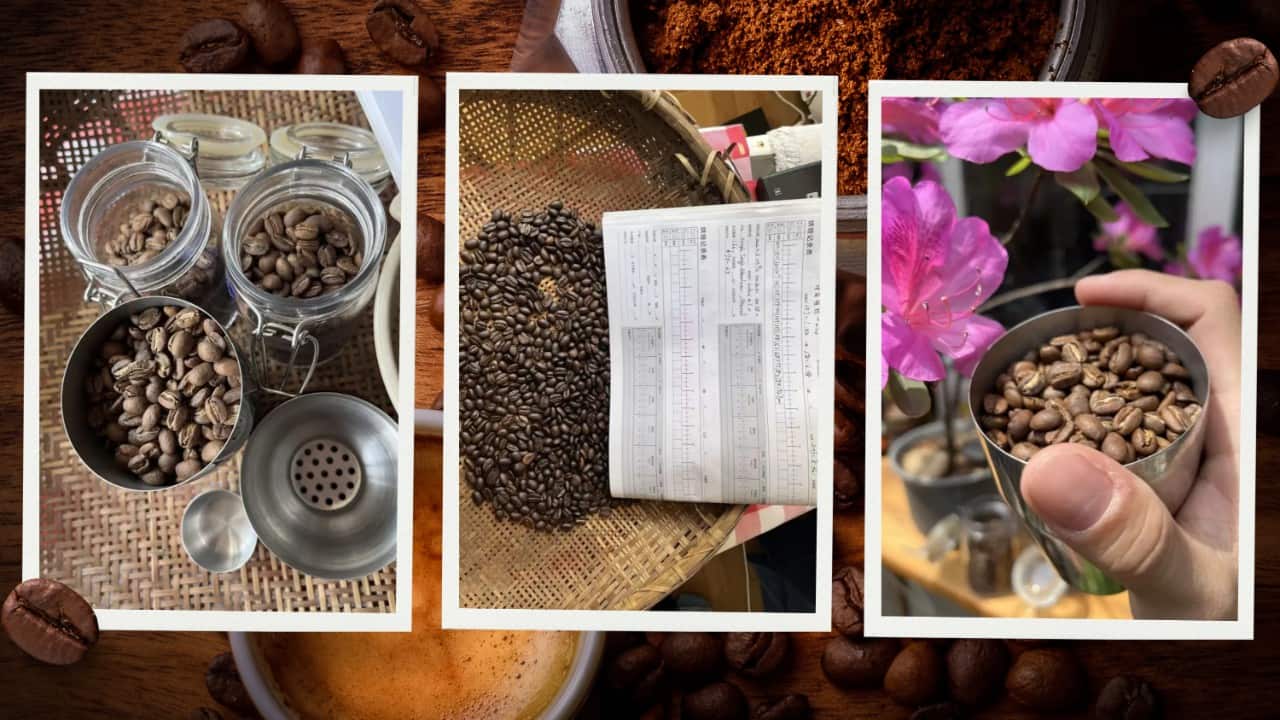
Lukas’s moment of relaxation at the Design Center is brewing coffee. Please enjoy this "roasting moment" from a designer who starts his day with three cups and has a double love for Espresso and Dirty coffee.
Li Weijian, Clay Modeler
Physical modelers and digital sculptors act as the "other hand" of the designer, presenting creative ideas through three-dimensional spatial forms.
In this process of styling exploration, Clay Modelers play a vital role. They are like sculptors, transforming 2D drawings into tangible, touchable reality.
Li Weijian has been crafting clay models for ten years. He joined Ford in September 2021, participating in and witnessing the physical modeling team grow from scratch. Because he is the third child in his family, everyone affectionately calls him "San Guo" (Brother Three).
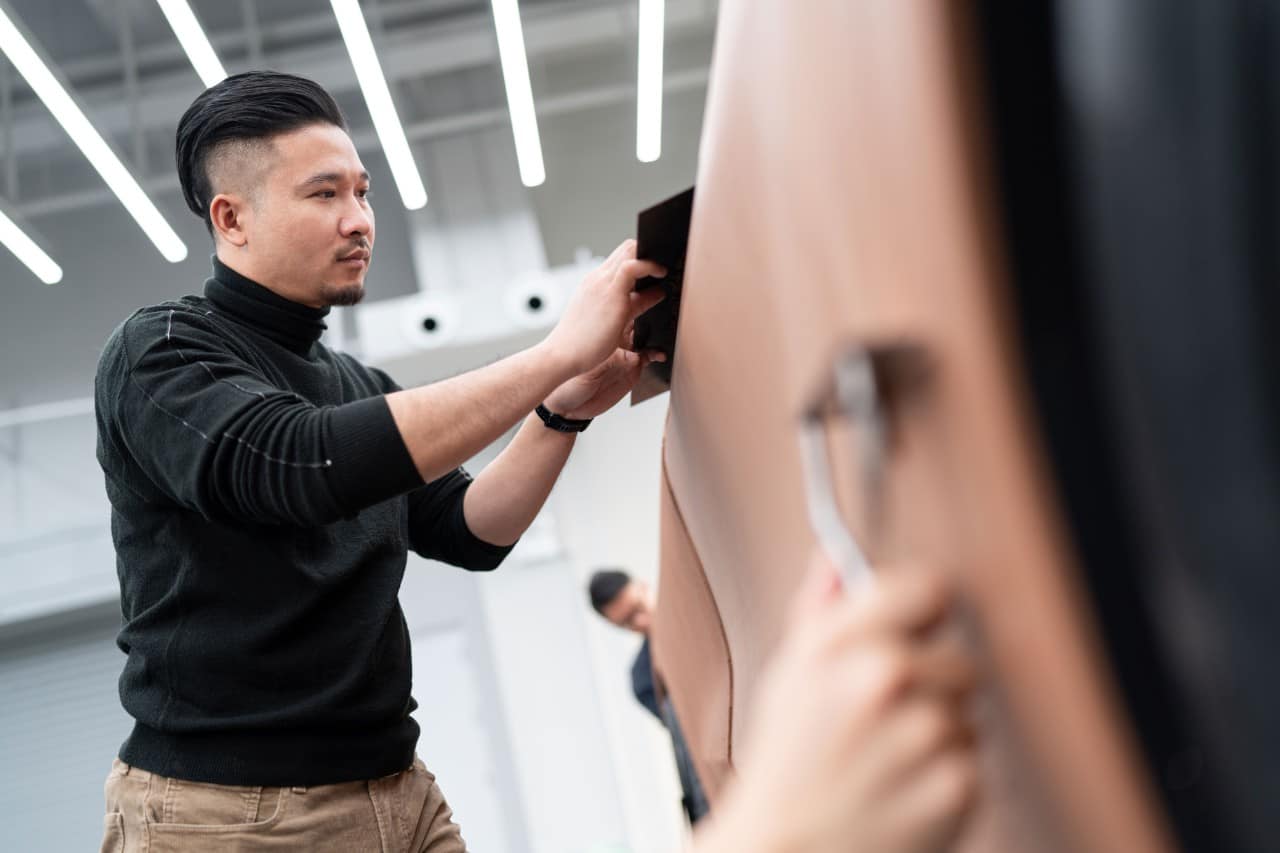
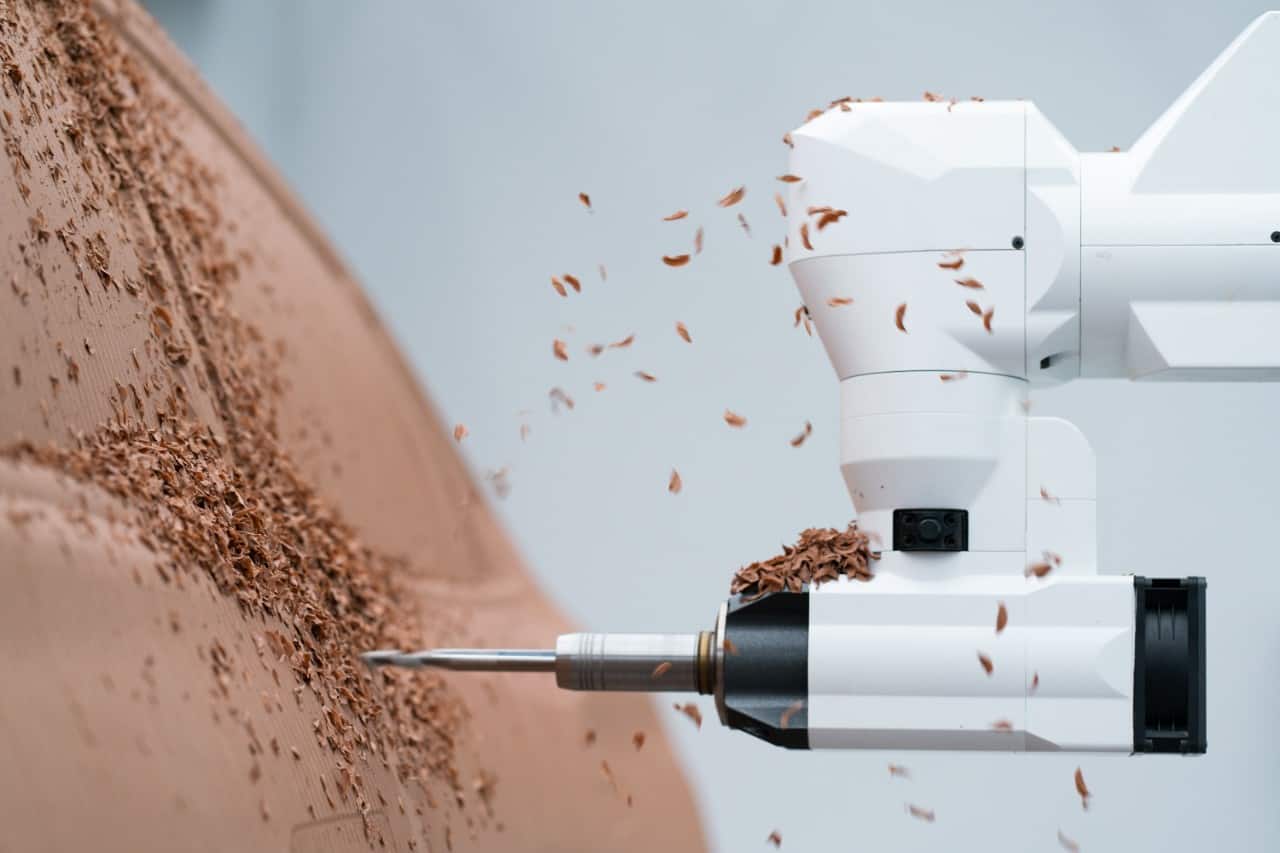
The creation of a clay model begins with industrial clay, which is hard at room temperature. It is heated to 61°C, broken into strips, and pressed evenly onto a chassis base made of a steel frame, sealing boards, and foam. After cooling and hardening for 3 to 4 hours, it undergoes preliminary processing by a 3D milling machine before entering the hand-sculpting phase.
This is where the true creation begins.
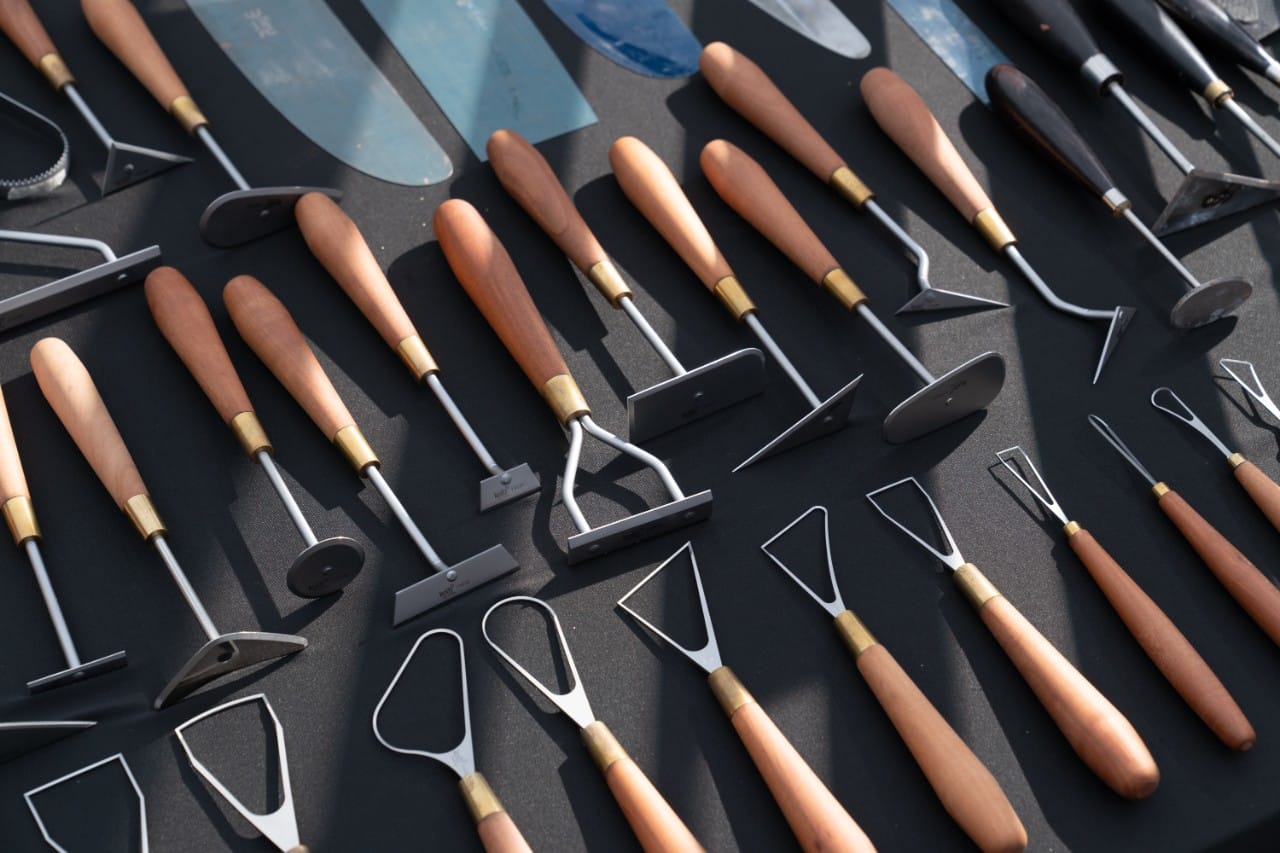
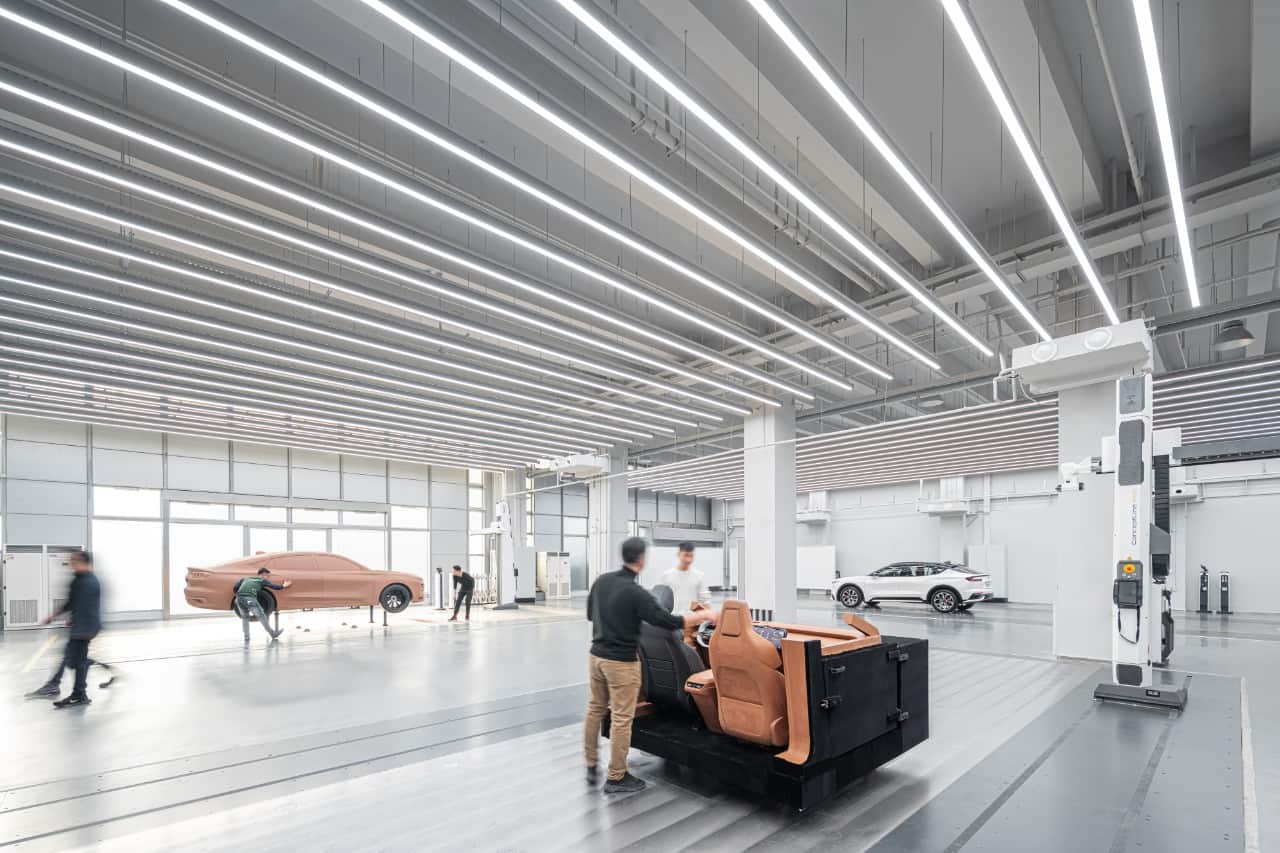
At Ford, a complete project often requires more than a dozen rounds of adjustments and reviews on the clay model. From early user research to later engineering and styling verification, the core function of the physical model is to allow reviewers to intuitively perceive the volume and details of the car.
Only when facing a three-dimensional object can the human eye accurately perceive the vehicle's proportions, stance, volume relationships, color texture, and light and shadow forms.
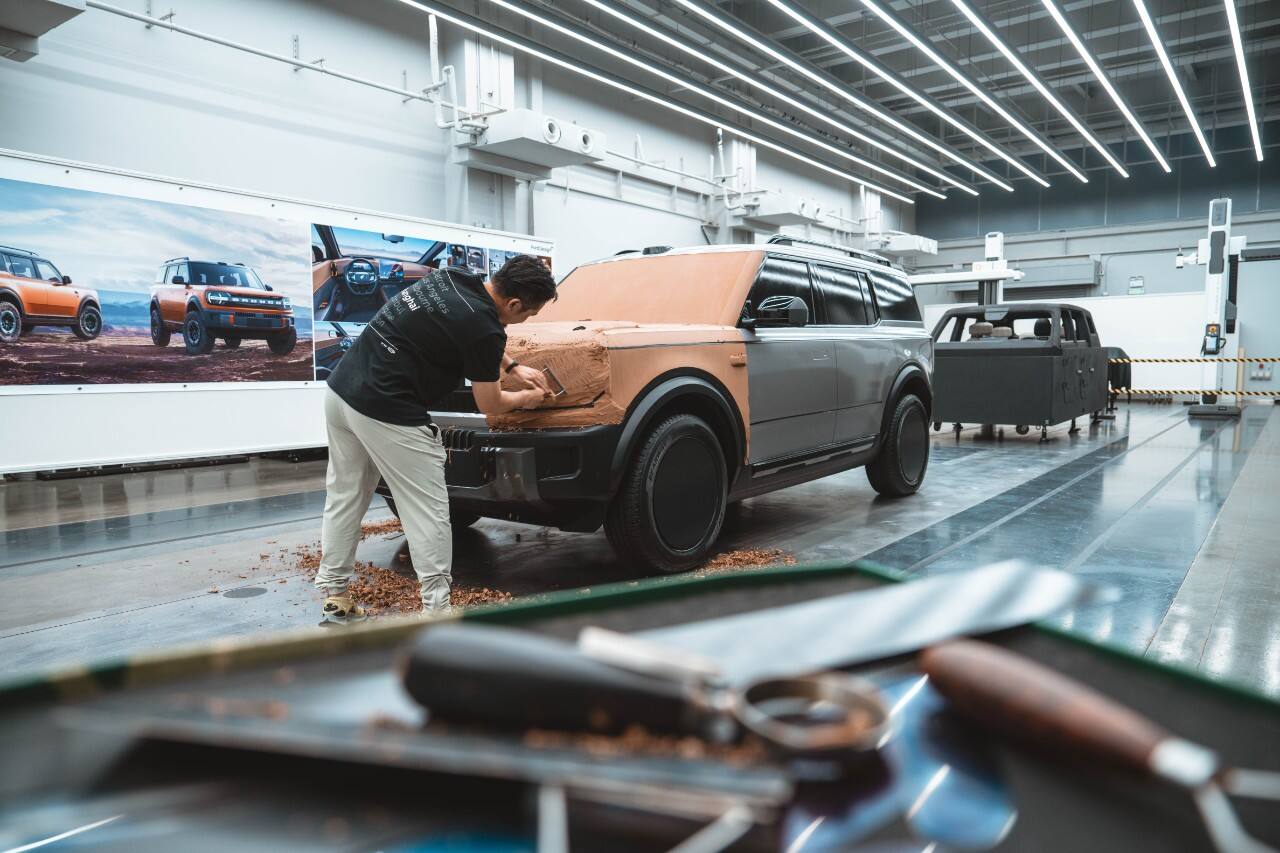
In the later stages of model adjustment, the phrase "a miss is as good as a mile" applies literally. Clay modelers must repeatedly fine-tune the styling of key areas by hand to achieve perfect light and shadow relationships. They are extremely sensitive to visual differences at the millimeter level—nuances that are almost imperceptible to the average person.
Weijian has loved cars and motorcycles since he was a boy. He studied transportation design as an undergraduate and shifted to user and automotive 3D spatial research for his master's degree.
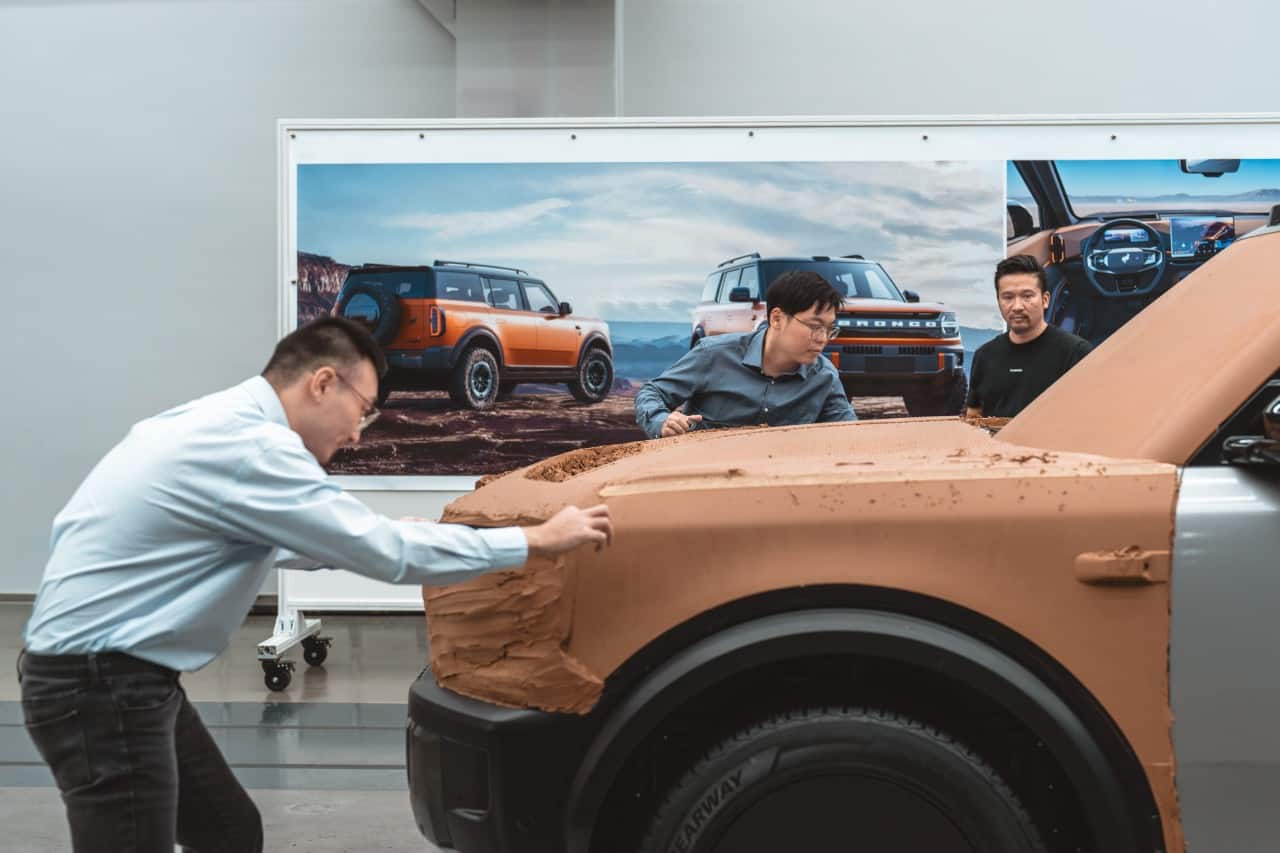
In his view, a car is essentially a spatial form. The key lies in how to convey different product images through volume, surface, line, and light. For example, the Ford Bronco uses a boxy shape to show a reliable, hardcore style, while Lincoln uses soft, flowing light and shadow to demonstrate elegance.
Clay modeling can even perform "visual magic," making a vehicle look wider, taller, and more imposing within engineering constraints.
Clay sculpting is not just mental work; it is physical labor. As a former school athlete with military service experience, Weijian has a strong physical foundation. During the Ford Bronco project, he was responsible for two exterior models alone. Even in the clay modeling room, kept at a constant 26°C, his clothes were always soaked with sweat. Yet, he enjoys this pursuit of perfection—refining the surfaces of spatial structures time and again, and polishing the dynamic interplay of light and shadow on the forms.
He describes his "flow state" to us: often at night, alone with his music, completely immersed in the creation of automotive styling, accessories, or sculptures. Looking back at his journey, doing what he is good at and what he loves, and seeing the work in his hands mature—in that moment, he feels deeply satisfied.
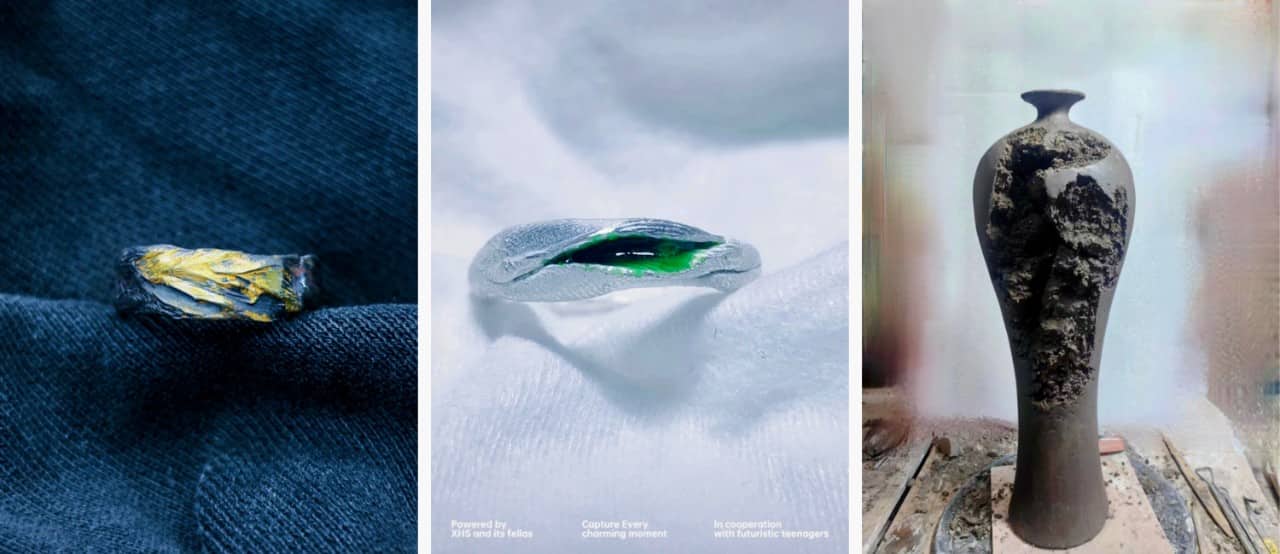
Weijian's hand-sculpted work
Epilogue
From the HCD team’s product concepts giving styling and function their scope, to exterior and interior designers bringing abstract ideas to paper; from CMF design injecting flesh and blood, to visualizers making the car run in imagined scenarios, and finally to clay modelers presenting a finely crafted vehicle vividly before our eyes... every designer plays their part as a master craftsman in this process.
They are like a basketball team. The ball passes to their hands; they dribble skillfully, then pass precisely to the next teammate. Everyone cooperates and supports one another, until finally—they score.
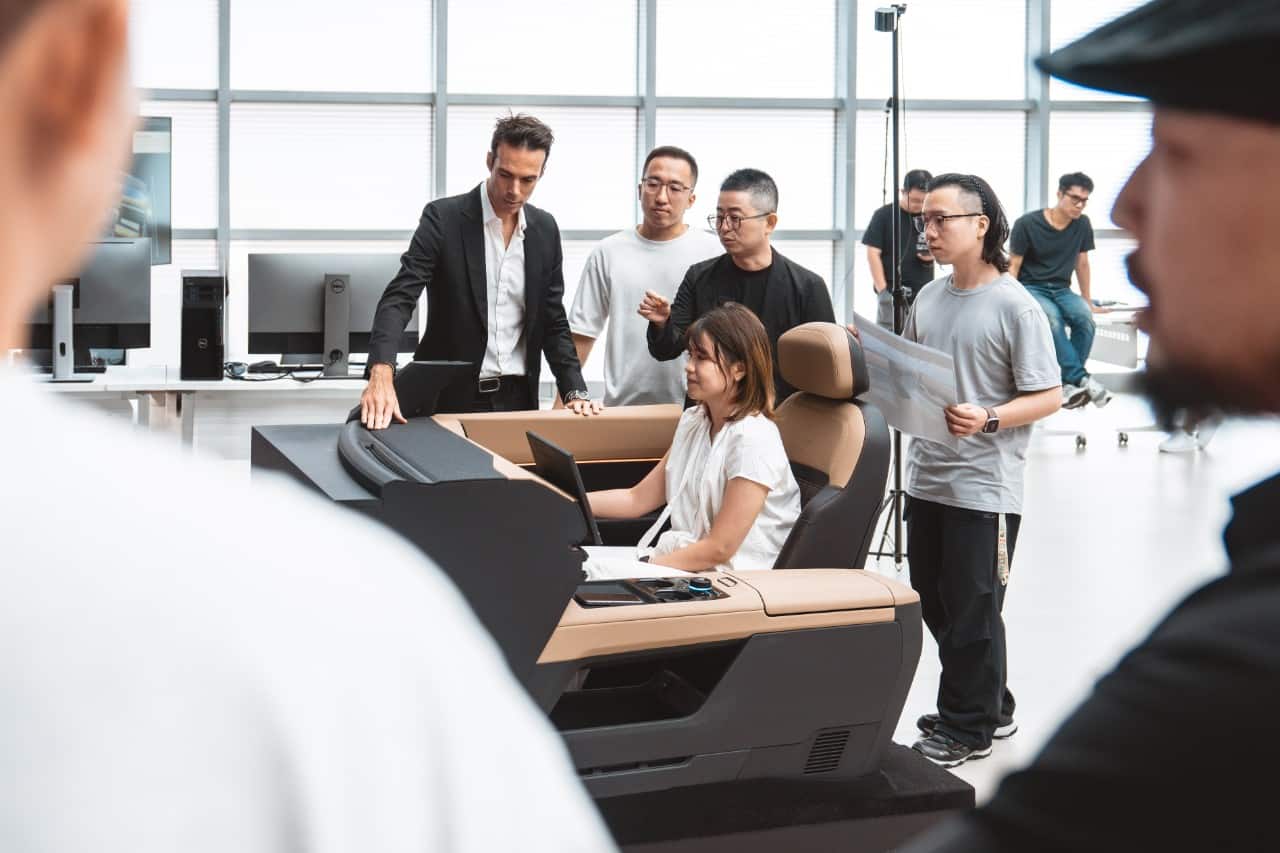
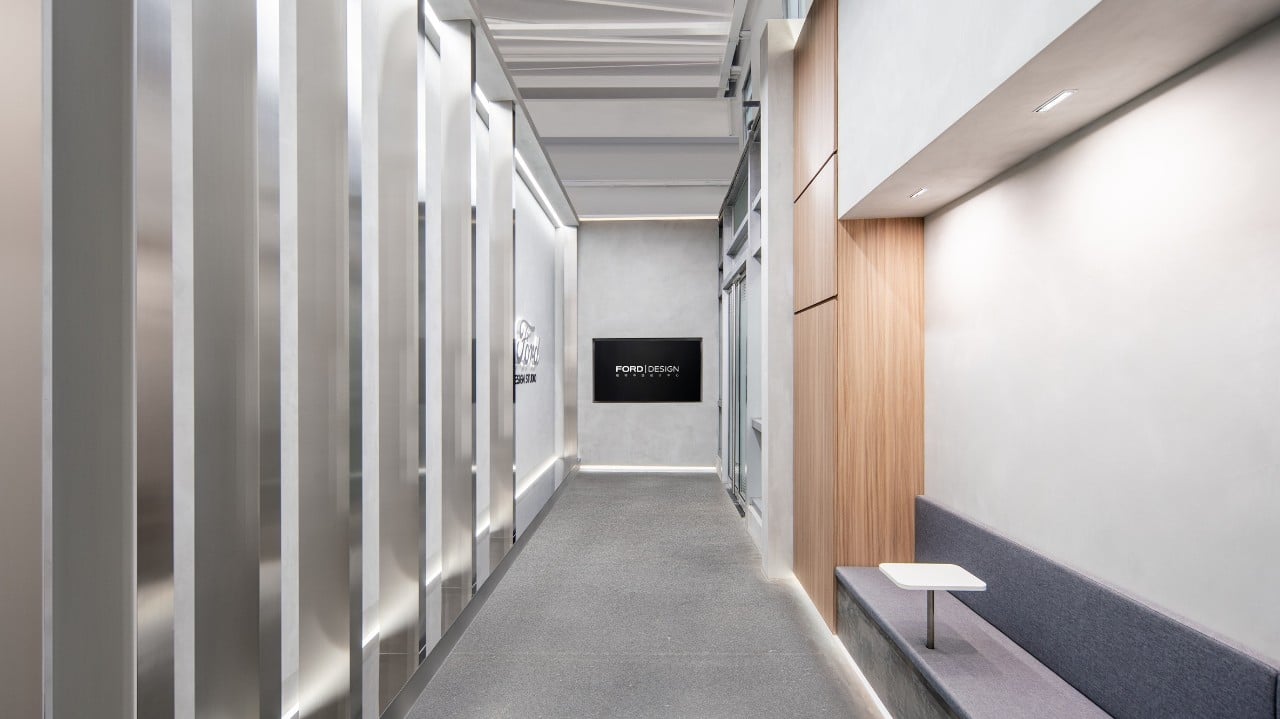
In 2022, the Ford China Design Center was officially established, setting the complete design process in motion and bringing this group of diverse creators together.
These past three years have seen surging winds and clouds in the Chinese automotive industry, a time of reshaped landscapes. Looking back at Ford's journey in China: from early joint ventures and factories, to serving as a global supply chain hub, to establishing R&D and test centers in Nanjing... and now, standing at a brand-new starting point with this young Design Center, driving together toward the next journey.