点击链接阅读中文版:《我们身边的“神笔马良”》
Search Enterprise or @FordOnline
Popular Terms & Topics:
Popular Tools & Resources:
The Modern-Day "Magic Paintbrush": Bringing Concepts to Life
Jan 07, 2026
For most people, the roles of exterior and interior designers align most closely with their imagination of a "car designer." With a stroke of a pen, they transform abstract concepts and styles into tangible lines and forms.
At Ford, every exterior and interior design project moves forward through internal bidding. Multiple designers submit proposals based on the product definition, which are then reviewed centrally. The winning designer gets to lead the design direction for the entire vehicle.
For this reason, "winning the bid" is the moment designers take the most pride in.
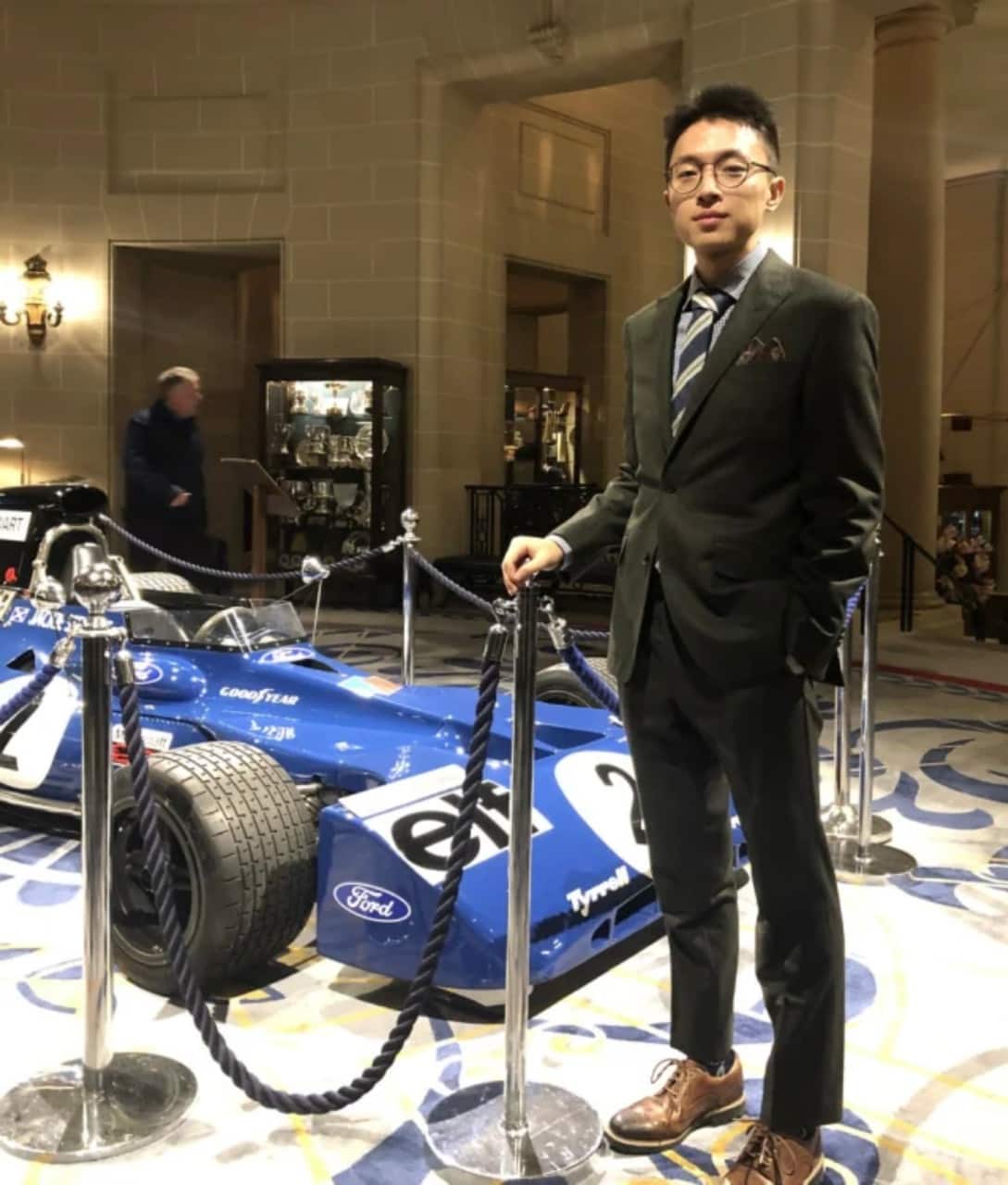
Alex Wei, Exterior Designer
For most people, the roles of exterior and interior designers align most closely with their imagination of a "car designer." With a stroke of a pen, they transform abstract concepts and styles into tangible lines and forms.
At Ford, every exterior and interior design project moves forward through internal bidding. Multiple designers submit proposals based on the product definition, which are then reviewed centrally. The winning designer gets to lead the design direction for the entire vehicle.
For this reason, "winning the bid" is the moment designers take the most pride in.
However, Alex’s journey from student to Ford designer was driven largely by self-exploration.
While he majored in Intelligent Mobility—which focuses more on future-forward concepts—he taught himself the foundational skills of automotive sketching and styling proportions.
In 2021, after graduating from the Royal College of Art (RCA) in the UK, Alex joined Ford as a Graduate Trainee (GT), embarking on a journey of growth alongside the Design Center.
The spirited teenager who once drew purely on instinct has evolved into a designer with a calm and grounded mindset.
Exterior design is not just about aesthetics; it requires finding a balance between forward-looking vision and market acceptance. Alex has learned to integrate perspectives from the wider team, engineering, marketing, and corporate strategy, rather than fixating solely on self-expression.
-
.jpg/_jcr_content/renditions/cq5dam.web.1280.1280.jpeg) Ford Explorer
Ford Explorer
1/5
-
|Ford Explorer
-
.jpg/_jcr_content/renditions/cq5dam.web.1280.1280.jpeg) |Ford Explorer Timberline
|Ford Explorer Timberline -
.jpg/_jcr_content/renditions/cq5dam.web.1280.1280.jpeg) |Ford Explorer Timberline
|Ford Explorer Timberline -
.jpg/_jcr_content/renditions/cq5dam.web.1280.1280.jpeg) |Ford Explorer Timberline Forged Wheel Deisgn
|Ford Explorer Timberline Forged Wheel Deisgn -
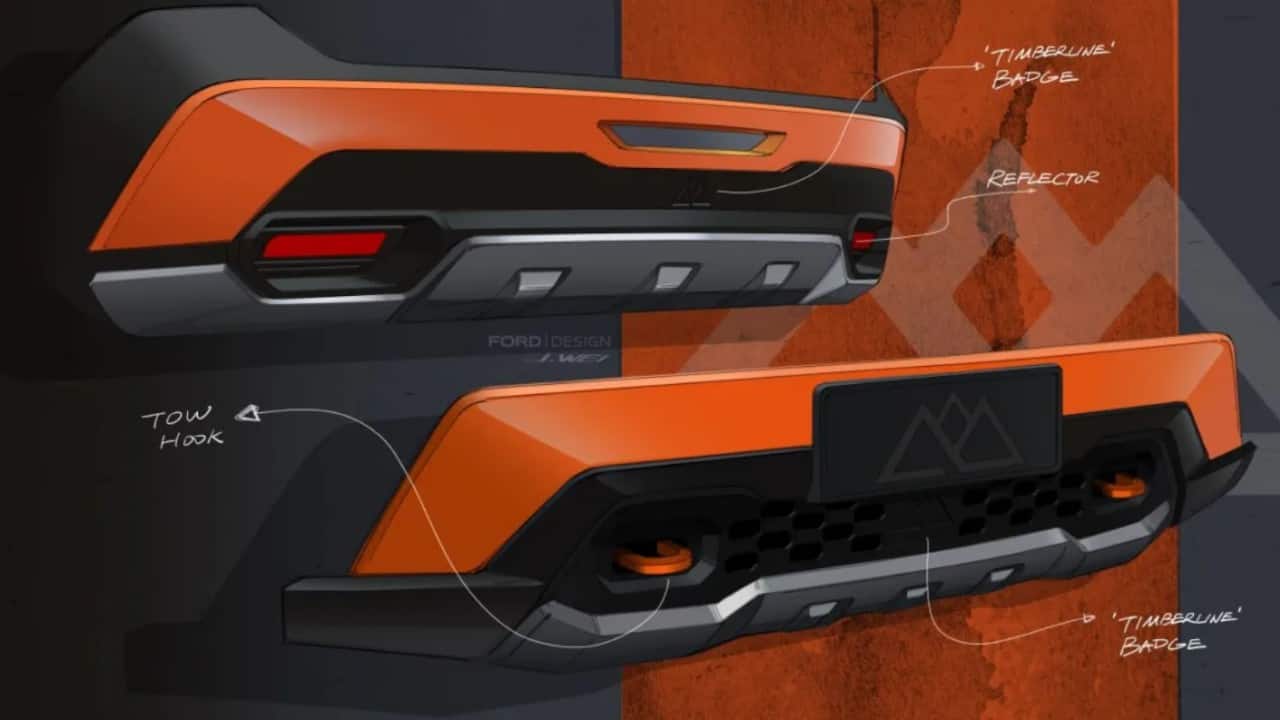 |Ford Explorer Timberline Exterior Trim & Badging
 -
.jpg/_jcr_content/renditions/cq5dam.web.1280.1280.jpeg) |Ford Bronco Basecamp
|Ford Bronco Basecamp
1/5
Recently, Alex experienced a moment of particular joy: one of his exterior proposals won the internal bid and is about to enter production. He looks forward to the day he sees a car he designed on the road, enjoying the realization that his creativity will become part of the Ford brand’s classic lineage.
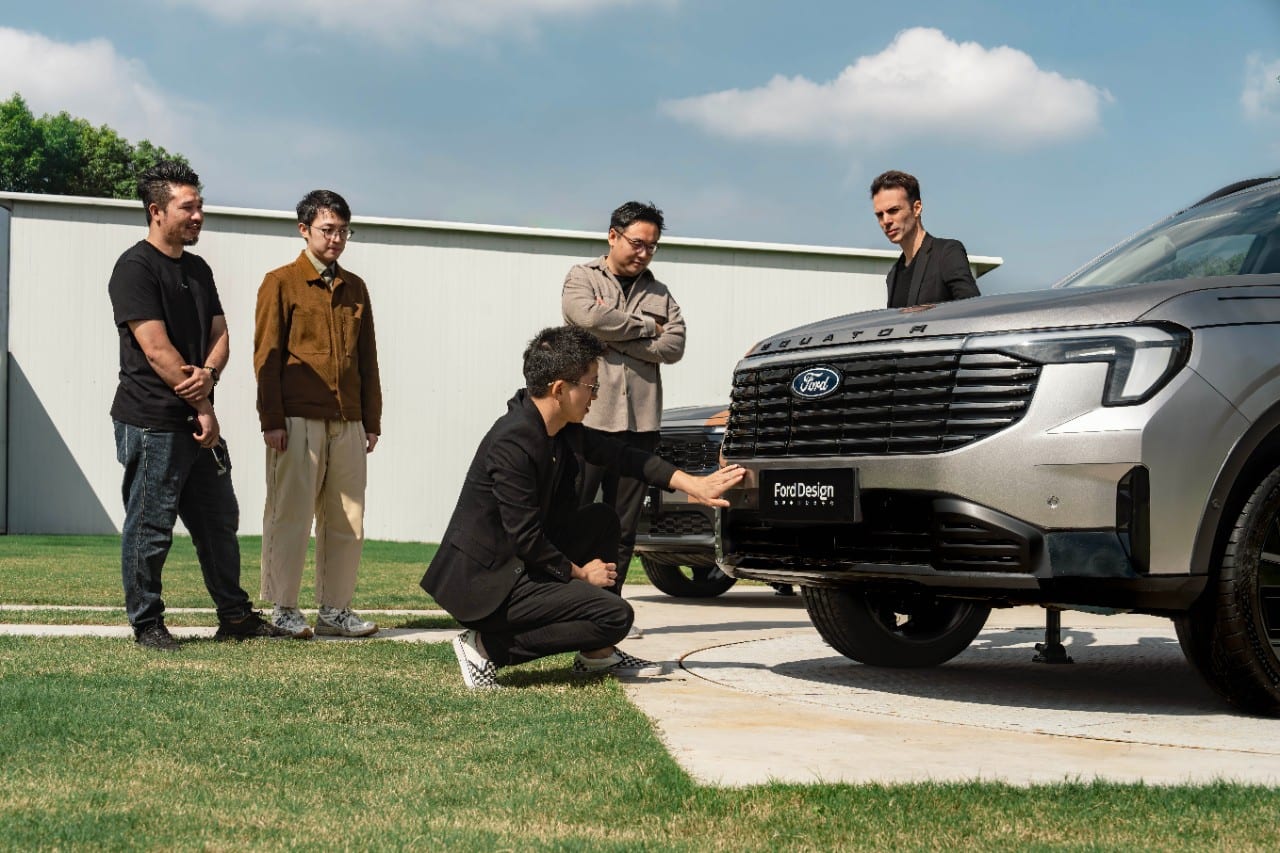
In the past, he often felt discouraged by the gap between himself and established masters. But now, with professional achievements under his belt, Alex’s self-perception has become more peaceful. He cherishes the opportunity to work with and learn from talented colleagues, describing the work environment here as simply "comfortable."
He has come to believe that steady progress—doing the task at hand well—is, in itself, a form of growth.
As a young designer in the center, Alex also actively participates in collaborative projects with art academies. "We pay attention to what the student circles think is cool. Once you start working, your perspective changes, so I really enjoy exchanging ideas with them and absorbing that youthful energy."
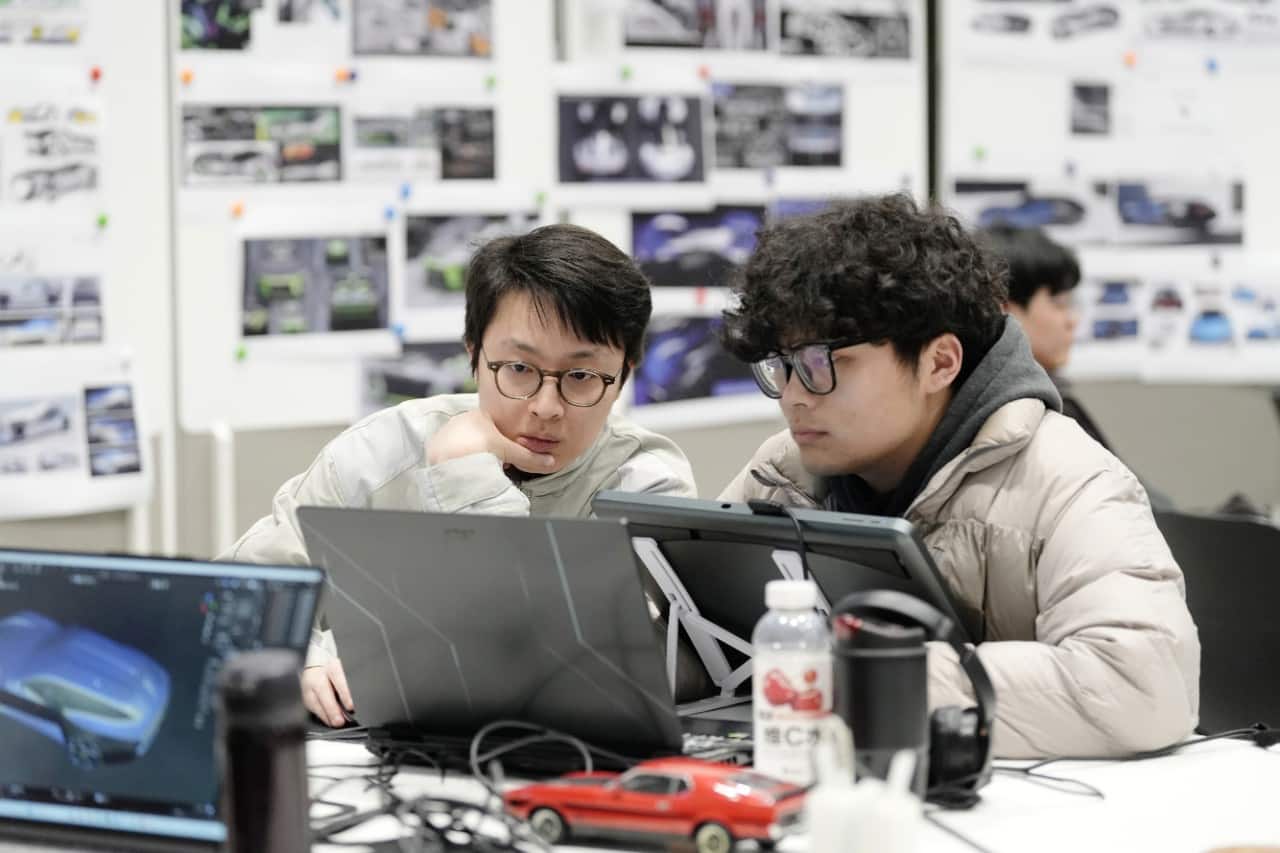
Edie Zhao, Interior Designer
The field of automotive exterior and interior design is still heavily male-dominated. Among Ford’s designers in these fields, there are only three women, and Edie Zhao is one of them.
Edie set her sights on becoming a designer at a young age. While studying at the China Academy of Art, she chose the robust Transportation Design program simply because she loved to draw, eventually leading her to become an automotive interior designer.
.jpg/_jcr_content/renditions/cq5dam.web.1280.1280.jpeg)
.jpg/_jcr_content/renditions/cq5dam.web.1280.1280.jpeg)
Edie often describes herself as an "Introvert." For her, the most challenging part of the job is presenting her work. To overcome her nerves, she writes out her key themes beforehand and practices repeatedly. However, in actual conversation, her thinking is clear and her logic is rigorous; her self-professed "poor expression" comes across more as humility.
This structured communication style was likely honed through her interactions with the engineering team.
"Communication with engineers must be logical; otherwise, how can you convince them?"
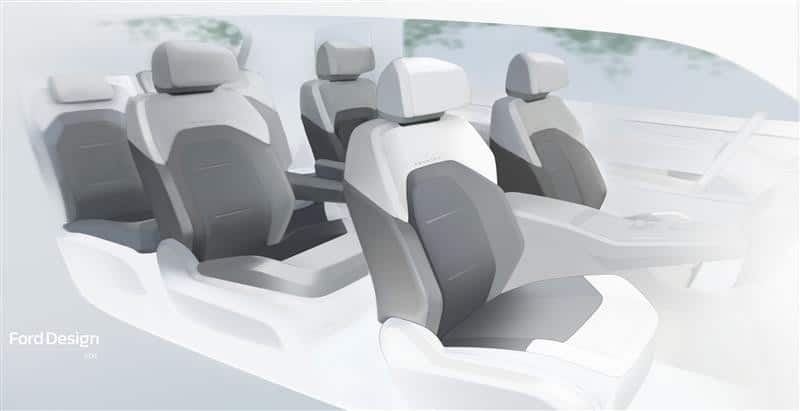
Take the headrest of the Ford Bronco, for example. Should the material be hard for aesthetic structure, or soft for cost efficiency? For the folding function, should it be electric for convenience or manual to save space? This kind of "sparring" with engineers—based on different standpoints and needs—is a daily norm for her.
-
.jpg/_jcr_content/renditions/cq5dam.web.1280.1280.jpeg) Ford Bronco Basecamp Hand-sketches
Ford Bronco Basecamp Hand-sketches
1/3
-
|Ford Bronco Basecamp Hand-sketches
-
.jpg/_jcr_content/renditions/cq5dam.web.1280.1280.jpeg) |Ford Bronco Basecamp Hand-sketches
|Ford Bronco Basecamp Hand-sketches -
 |Ford Bronco Basecamp Hand-sketches
 -
.jpg/_jcr_content/renditions/cq5dam.web.1280.1280.jpeg) |Ford Bronco Basecamp Hand-sketches
|Ford Bronco Basecamp Hand-sketches
1/3
This young woman, who claims to be introverted, has a penchant for all things "hardcore." She loves rugged off-road vehicles and outdoor sports like rock climbing, diving, and hiking. "Only after coming to Ford, where I had the chance to have a life outside of work, did I discover these hobbies."
.jpg/_jcr_content/renditions/cq5dam.web.1280.1280.jpeg)
.jpg/_jcr_content/renditions/cq5dam.web.1280.1280.jpeg)
.jpg/_jcr_content/renditions/cq5dam.web.1280.1280.jpeg)
When she works, she always wears headphones. But it’s not music that fuels her inspiration—it’s suspense dramas based on true crimes. Introversion, calmness, logic, and a "hardcore" spirit coexist in perfect harmony within her.
If exterior and interior designers provide the outstanding "skeleton" of a car, the CMF designers inject it with "flesh and blood"—giving it vivid texture and life.
Julie Hao, Color and Materials (CMF) Designer
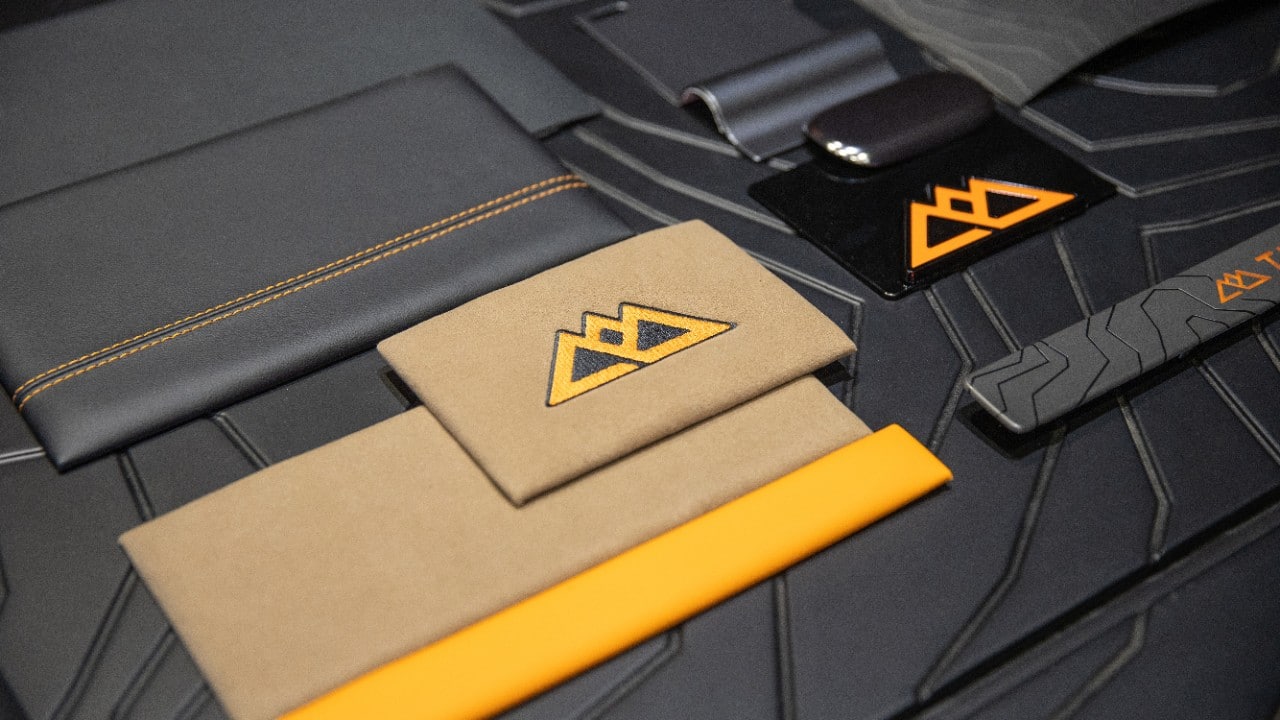
In vehicle design, CMF (Color, Material, and Finish) is a unique discipline that spans the entire process.
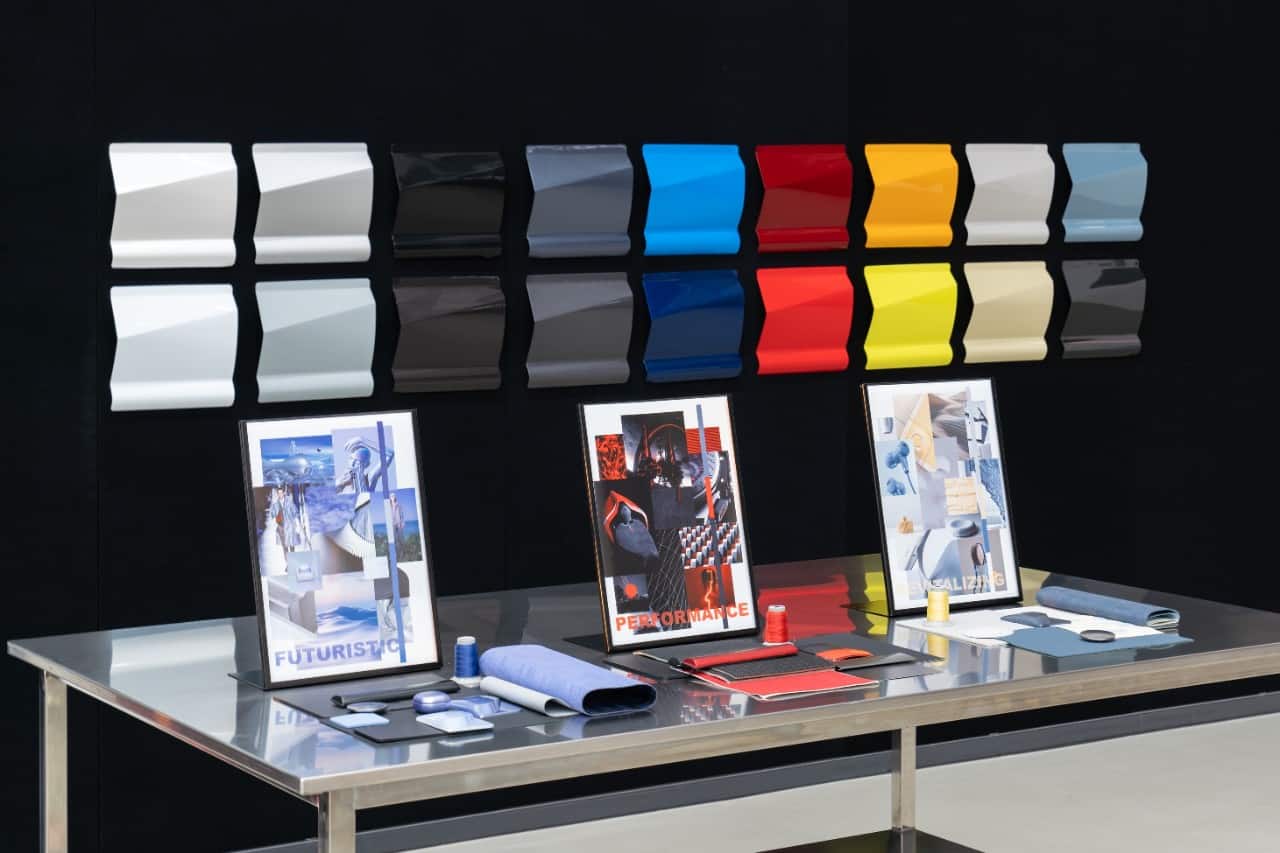
The CMF team begins exploring colors and themes during the sketch phase. Once the styling is frozen, they refine these into specific designs: defining body colors, interior tonal themes, and finalizing the combination of colors, materials, and grain textures.
.jpg/_jcr_content/renditions/cq5dam.web.1280.1280.jpeg)
Compared to the neighboring exterior and interior teams, the CMF team has a livelier atmosphere and a much higher proportion of female members.
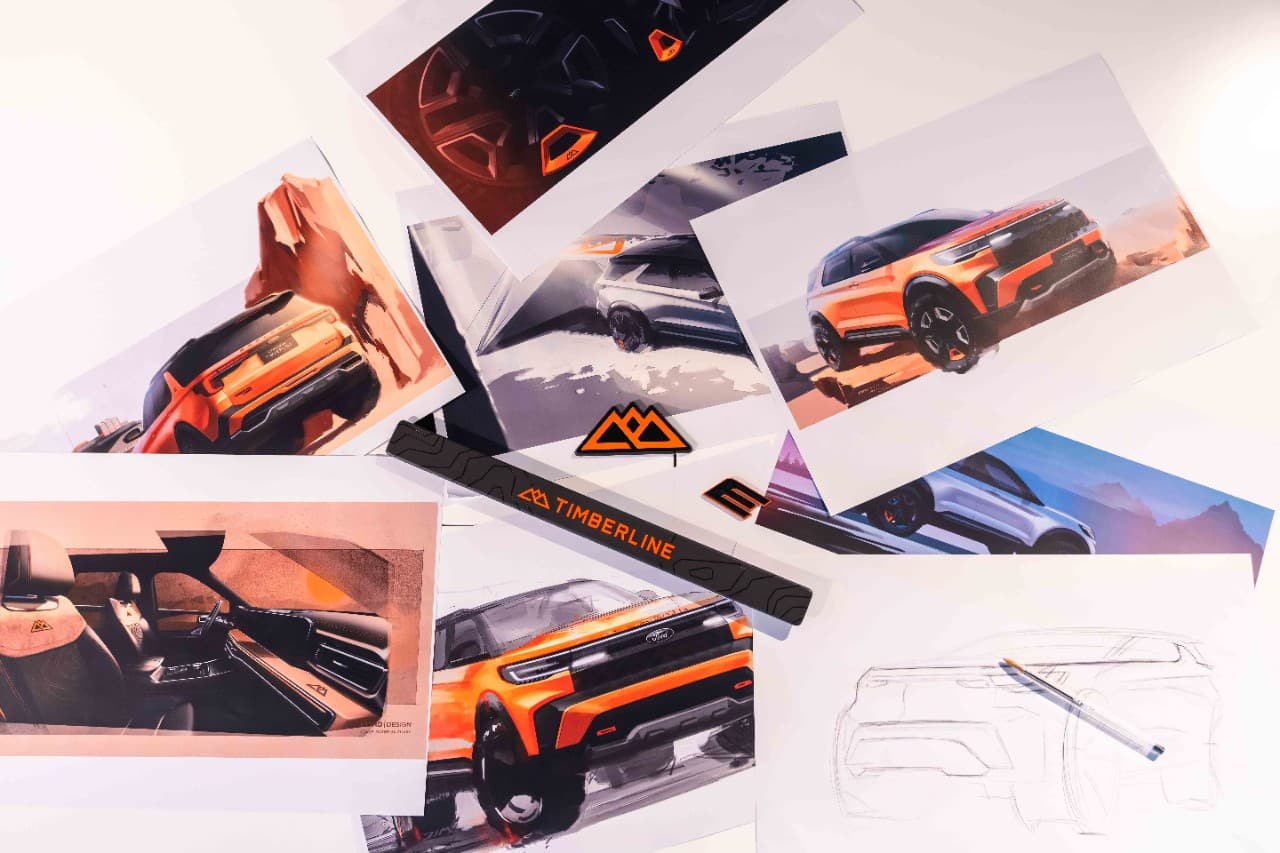
Take the Ford Explorer Timberline as an example. The team added orange accents and the unique mountain logo to the wheels to enhance visual depth. Meanwhile, engineers focused on the color fastness of the logo’s paint, ensuring it could withstand the impact of gravel while driving.
.jpg/_jcr_content/renditions/cq5dam.web.1280.1280.jpeg)
Julie Hao, who joined Ford in 2019, was the first employee of the CMF team
During Julie's graduate studies, her research focus was specifically on color and materials.
When she first joined, the Design Center hadn’t been built yet. Every time she needed to check how a color sample looked under different light sources, she had to carry the materials down to the ground floor and run outside, often attracting curious glances from passersby.
Today, the Design Center is equipped with professional light boxes and a dedicated CMF review room. However, Julie insists that no matter how advanced the equipment, the most critical "tool" remains her eyes—relying on experience to judge the subtle differences of color on various materials. Developing a single color can require repeated adjustments, sometimes up to thirty or forty rounds.
.jpg/_jcr_content/renditions/cq5dam.web.1280.1280.jpeg)
.jpg/_jcr_content/renditions/cq5dam.web.1280.1280.jpeg)
Julie describes her team as "overflowing with passion and boundless energy." This trait is inseparable from the nature of their work: early on, they pitch color stories to the marketing team.
In the middle phase, they apply colors and textures to styling data, using VR to preview effects; and in the later stages, they communicate repeatedly with engineering to balance aesthetics with production feasibility.
.png/_jcr_content/renditions/cq5dam.web.1280.1280.png)
Early stage CMF inspiration board
Talking about the projects she has participated in, she is always full of pride: "We made them well, and they sold well."
Beyond her passion for work, Julie has found her own rhythm at Ford. She is an active member of the company’s yoga, tennis, and golf clubs, as well as various volunteer activities.
.png/_jcr_content/renditions/cq5dam.web.1280.1280.png)
Once the exterior, interior, and CMF designers have completed their creative styling, two other types of partners are needed to bring the design highlights to reality: the Visualization Artists, who render the virtual 3D design, and the Clay Modelers, who sculpt the physical 3D models.
In the final chapter of our Design Center portrait series, we will meet the hands behind the designers.
To be continued...