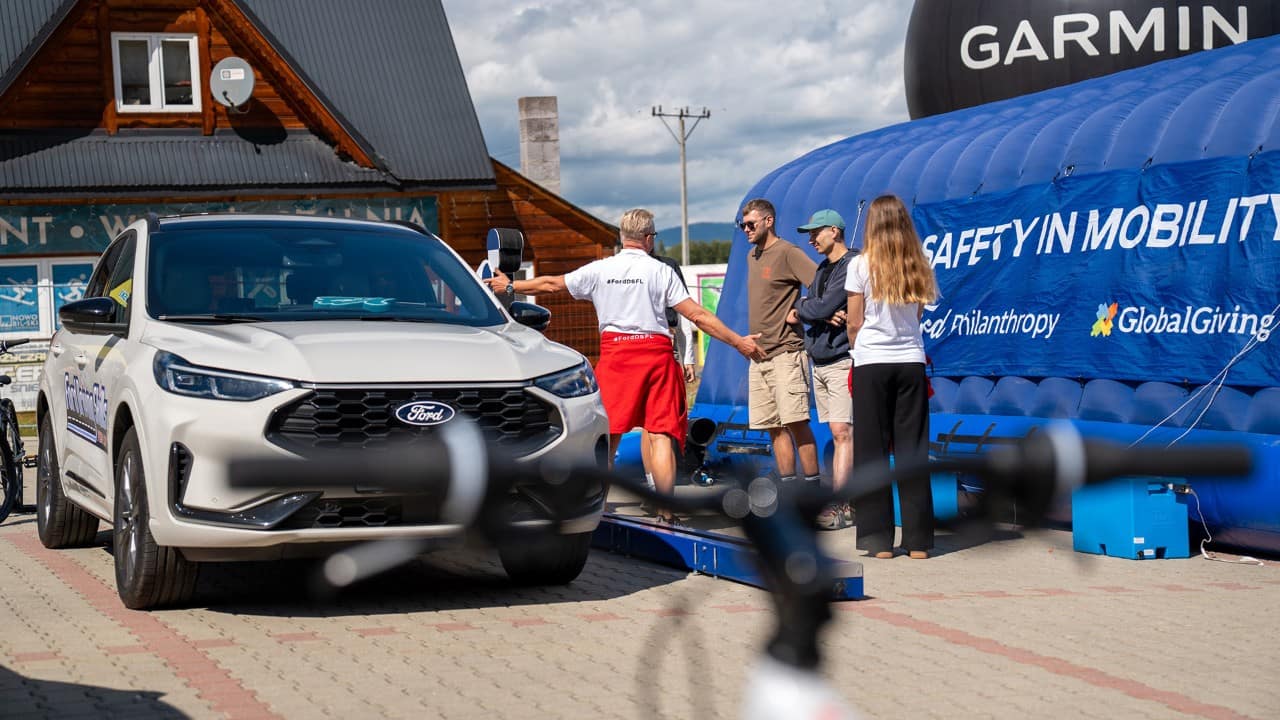
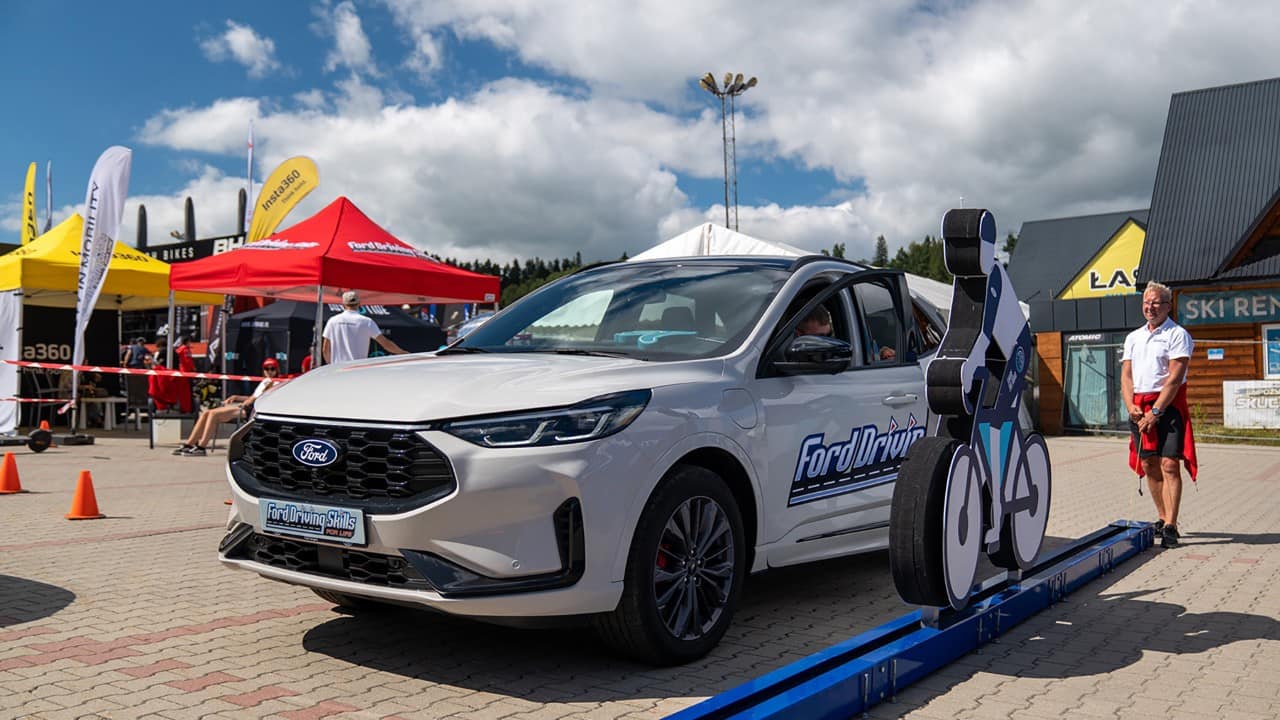
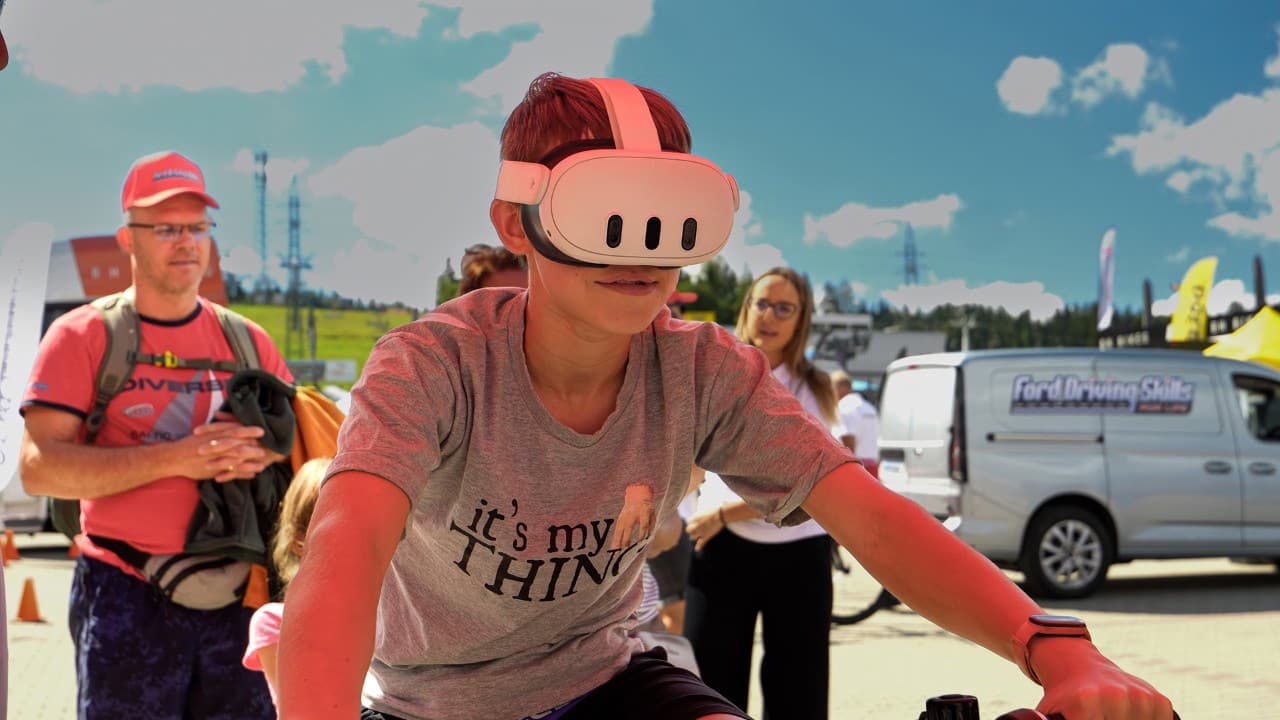
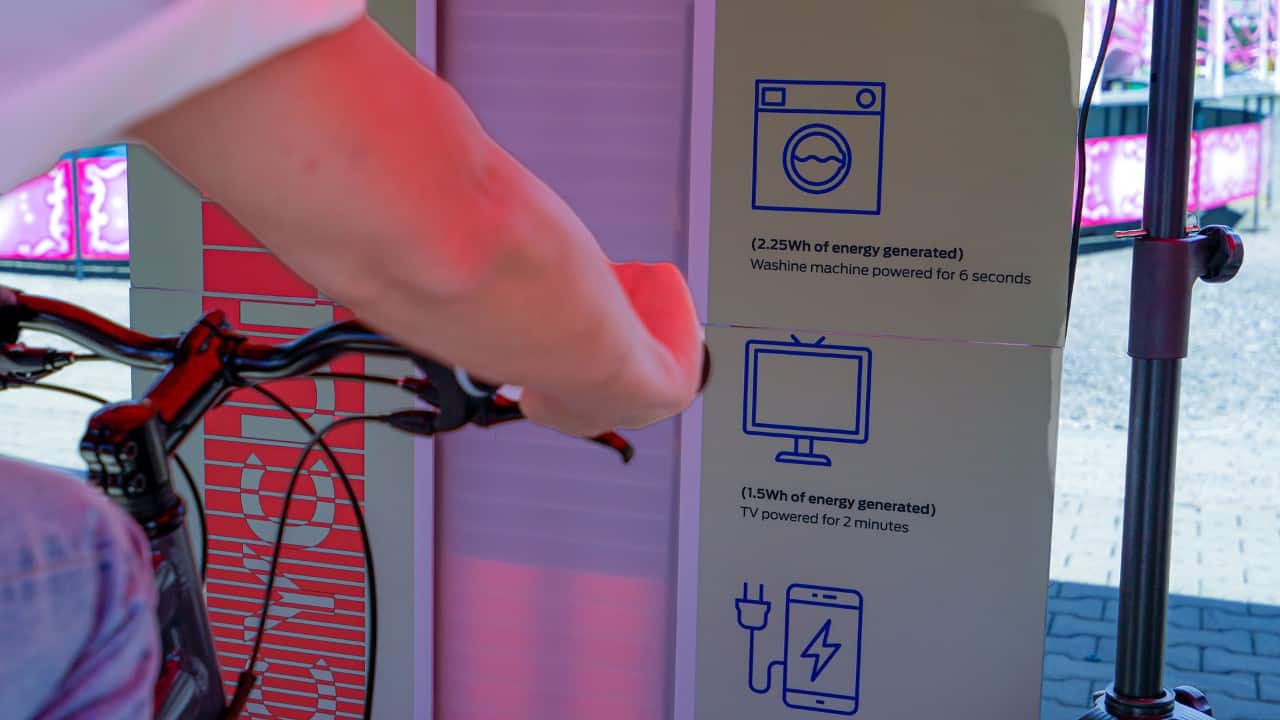
This latest DSFL initiative was funded by Ford Philanthropy, the charitable foundation of Ford Motor Company, in collaboration with the international grant-making organization GlobalGiving. Ford Philanthropy has been supporting local communities for nearly 80 years, so having this initiative at the Joy Ride bike festival was a natural fit for the event.
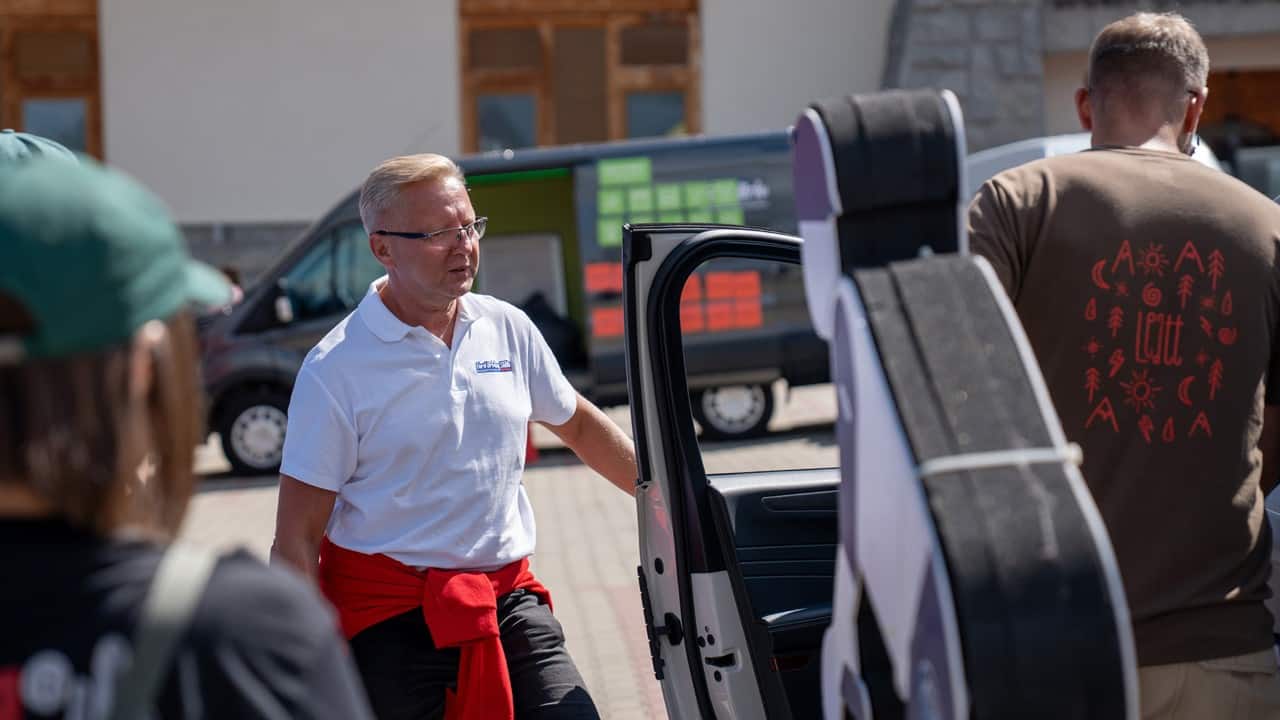
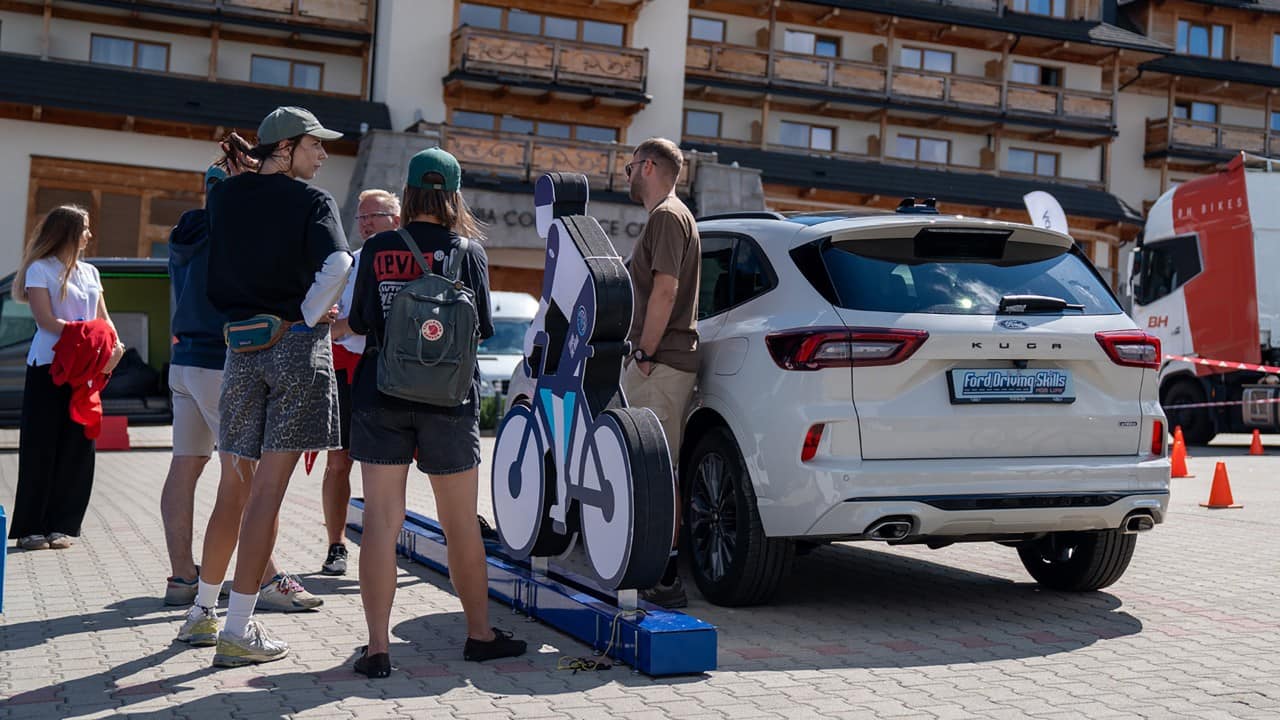
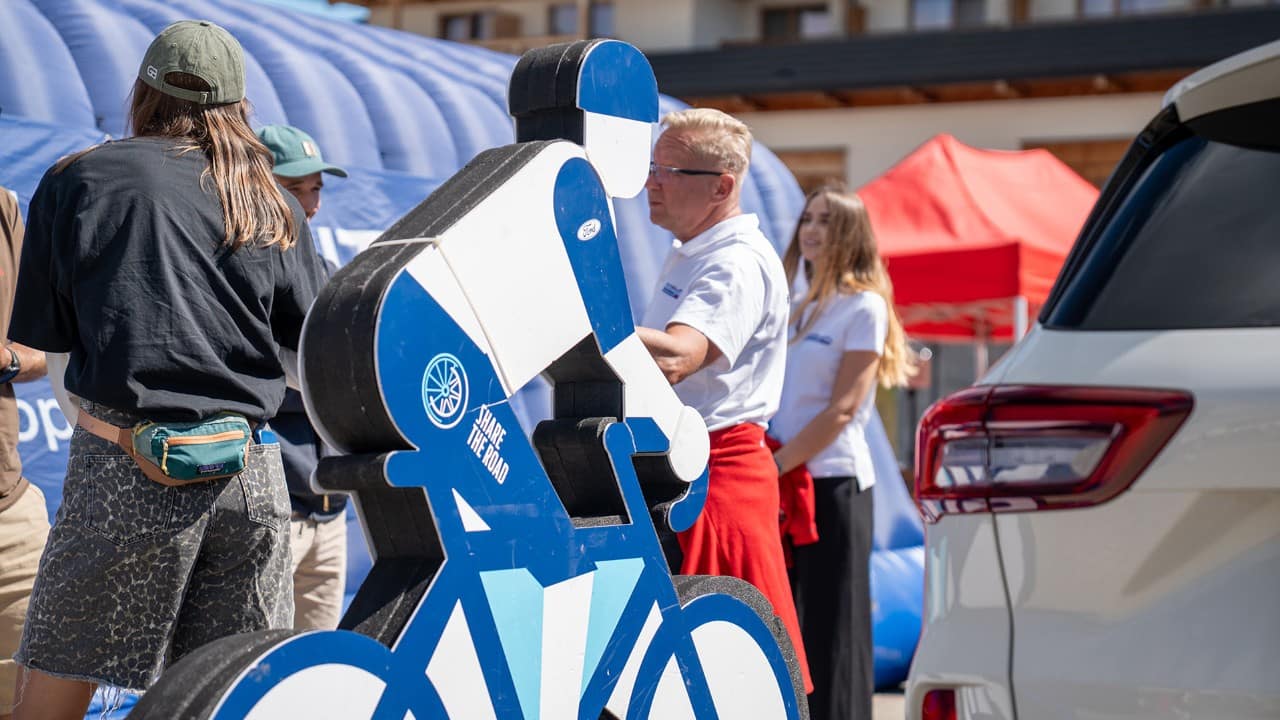
Among the valuable lessons taught was the “Dutch Reach” method, which involves opening the car door with the hand farthest from the door which automatically forces the torso to turn and the head to pivot towards the window and mirror.
This way, the driver getting out of the vehicle, as well as the passenger exiting from their side, gains a full field of view in the blind spot area and can safely spot approaching cyclists.
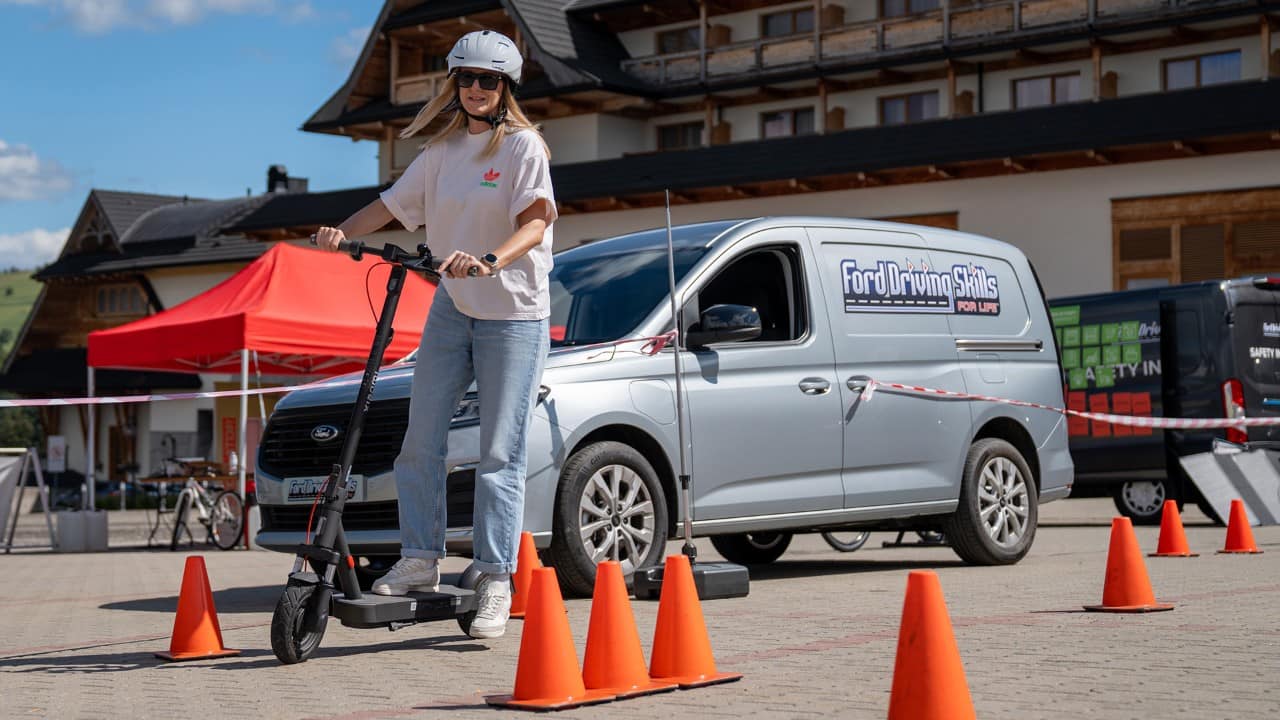
A simulation was also prepared to show how limited visibility from a car cabin can be. A course was set up for electric scooters, and volunteers sat in the car cabin with the task of observing the traffic on the course. This experience allowed them to see how easily smaller and more agile road users can disappear in the blind spots of a large vehicle. The exercise aimed to raise awareness about the challenges delivery vehicle drivers face daily and to show how to move safely around bigger cars.
Visitors could also experience for themselves how dangerous it is to use a mobile phone while, for example, crossing a pedestrian crossing. Instructors from Ford Driving Skills for Life set up a Distraction Tunnel for this purpose – the task was to walk through it while simultaneously typing out a text message dictated by the instructor. Different images – cars, trams, bicycles, and animals – were displayed on the side walls.
At the end of the course, participants were asked to recall what they had seen along the way. This exercise best illustrates how easy it is lose awareness and stop noticing real dangers on the road when eyes are focused on a smartphone screen.