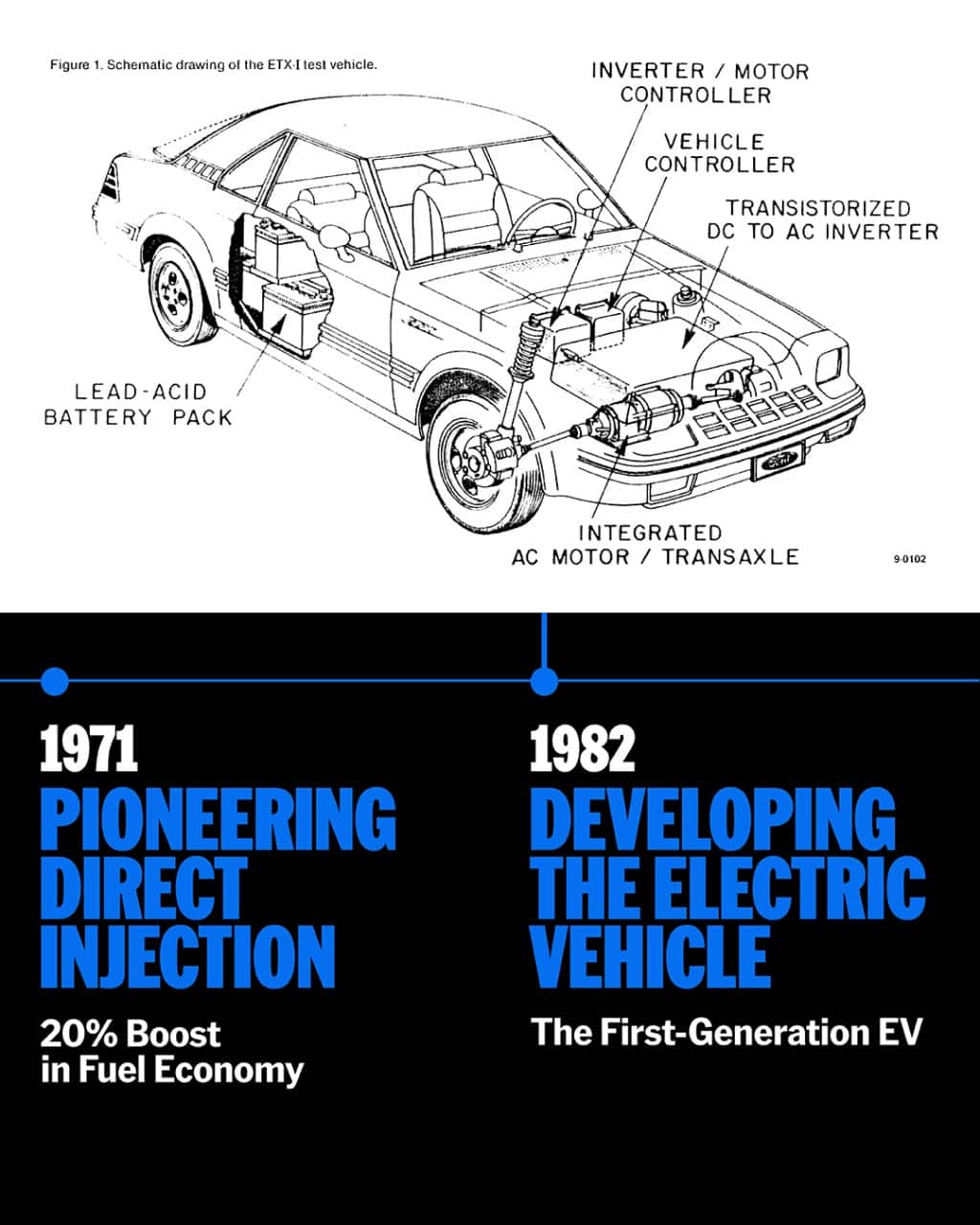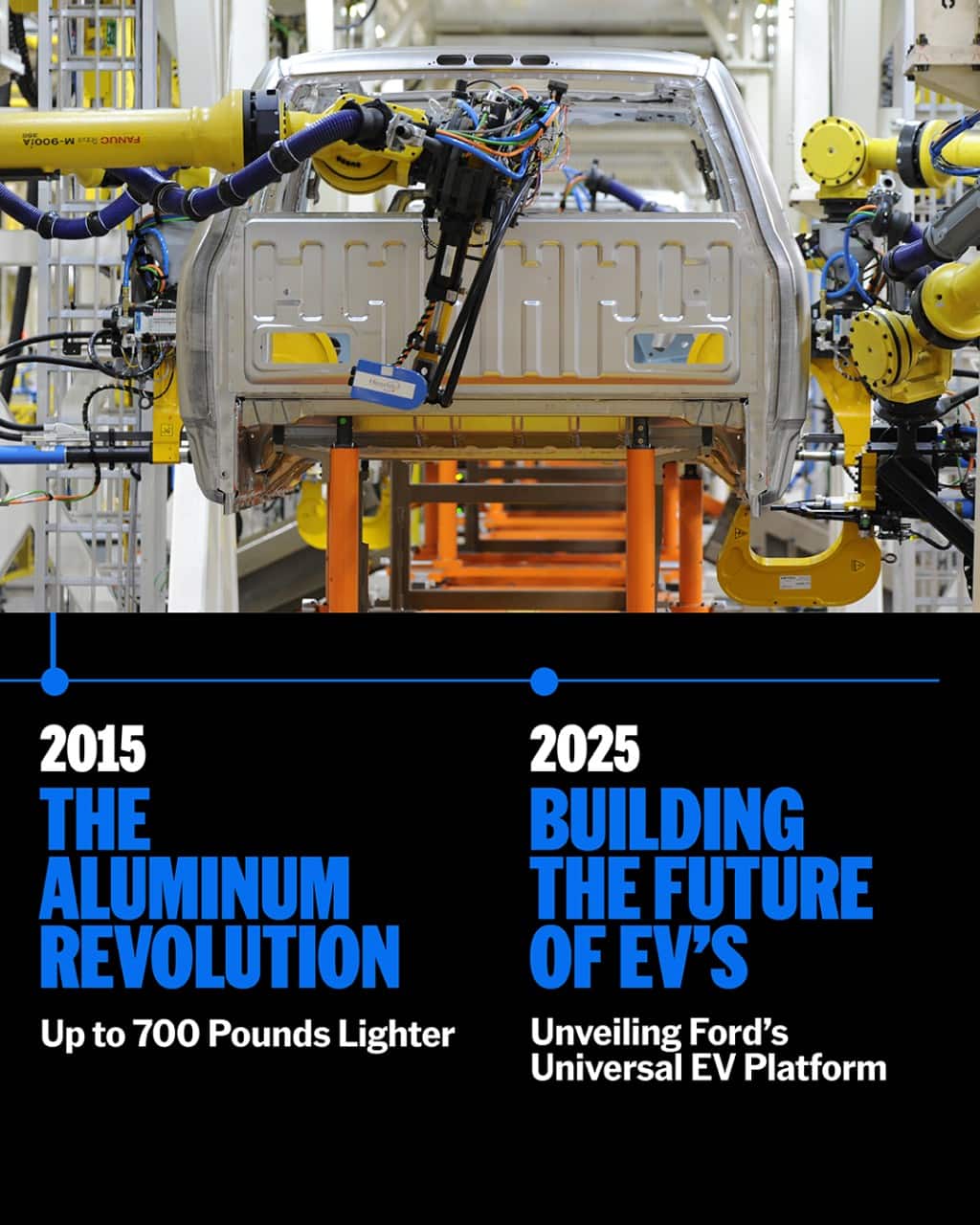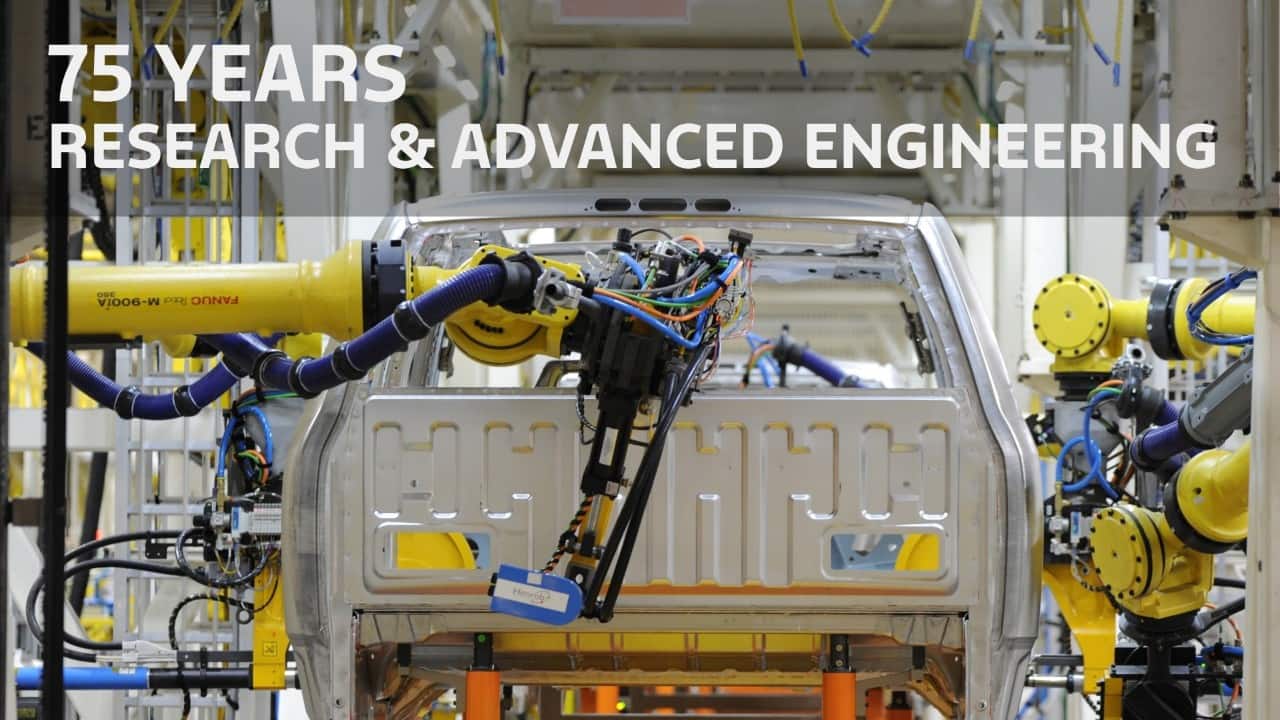
In 1922, Henry Ford envisioned a motor car for the great multitude, one "so low in price that no man making a good salary will be unable to own one." The idea that great technology should not be reserved for the few who can afford it is still the whole point of Ford's Research & Advanced Engineering, or R&A, team, 75 years later.
But long before any of this was formalized, Ford's curiosity was his compass.
- Decades before Ford opened a single lab, engineers had found a stronger, lighter metal for the Model T in vanadium steel. It was so advanced that producing it required outside metallurgists.
- In 1924, Ford opened a chemical plant in Kingsford, Michigan, powered by his own hydroelectric plant and fed by scrap from his own sawmill. A self-contained ecosystem that turned leftover wood scraps into charcoal and eventually became Kingsford Charcoal, still on shelves today.
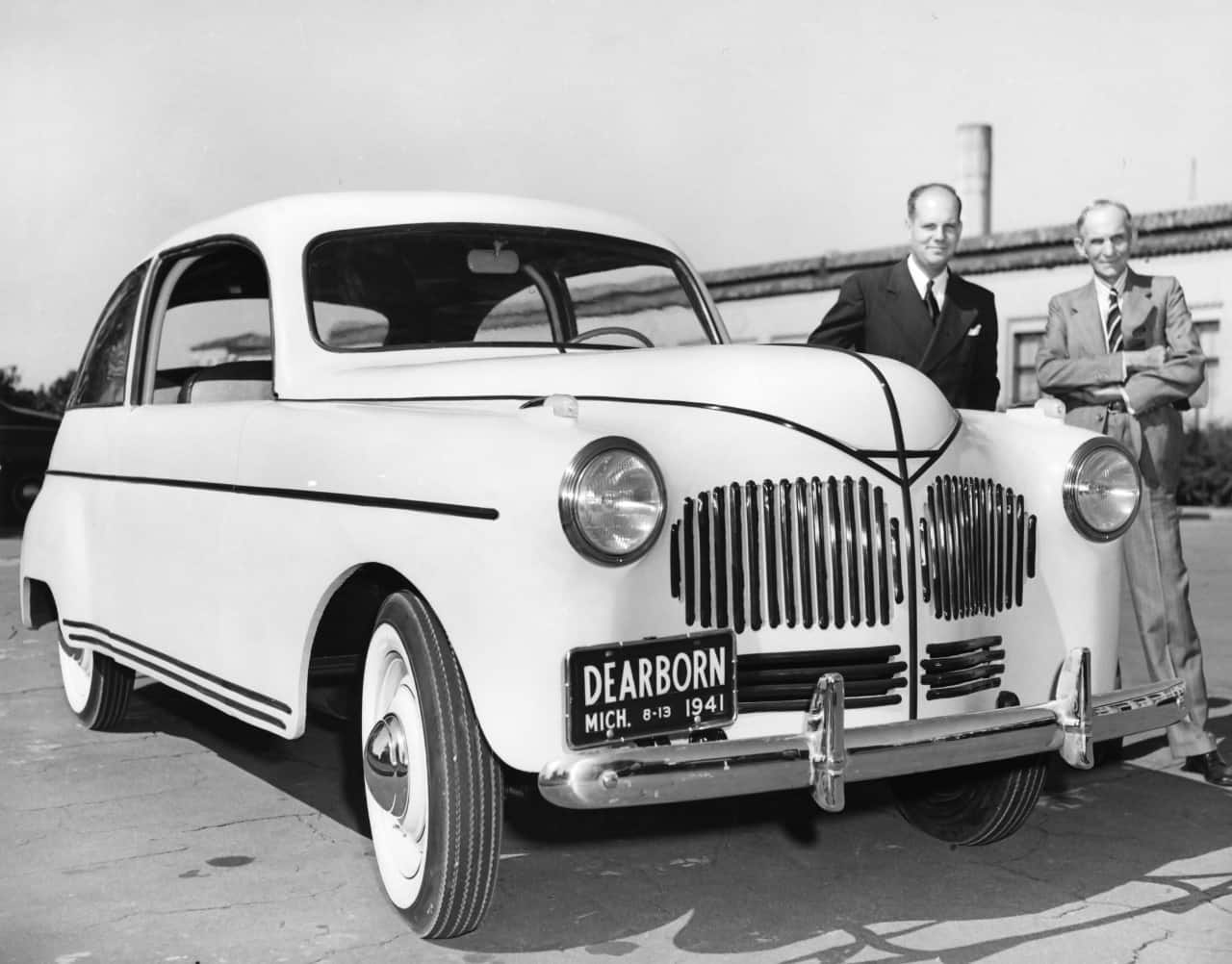
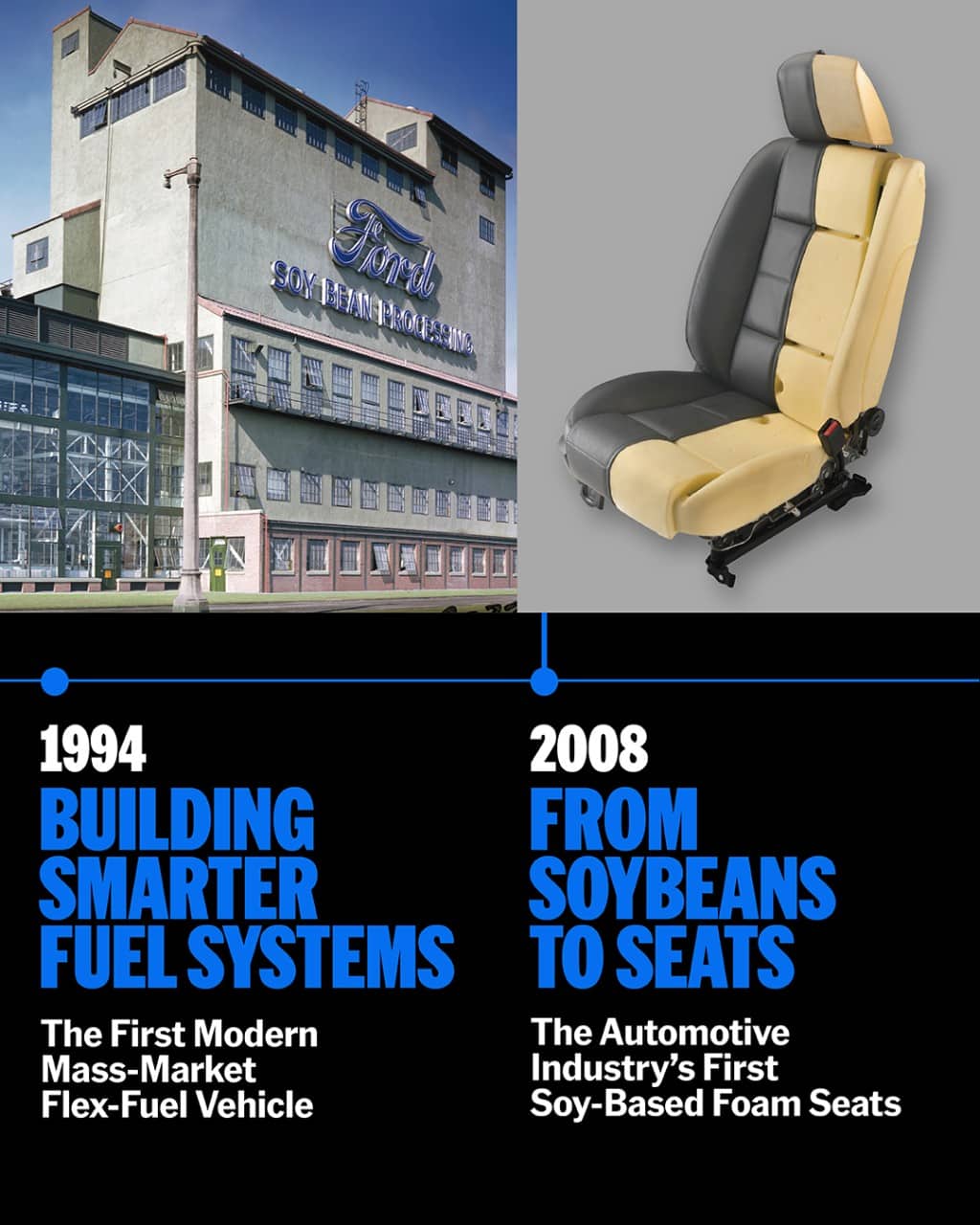
- In the 1930s, his soybean experiments grew into a full processing plant at the River Rouge manufacturing plant, turning soy oil and fiber into car enamel paint, switches, buttons, and trim parts.
None of this happened in a formal lab. It happened because Ford's founder never stopped asking what else a material, or a car, could be. That restlessness is exactly why Ford opened its Scientific Research Laboratory in 1951, the organization that became today's R&A.