Search Enterprise or @FordOnline
Please remove special characters

113 Years Later, Innovation Still Happens Every Day on Ford's Assembly Line

Sep 03, 2026

点击链接阅读中文版本:诞生于汽车流水线上的微小“诺贝尔奖”

Every day, an automobile factory is filled with countless repeated motions.

Picking up parts, tightening screws, moving material bins—one single motion might repeat itself dozens or even hundreds of times a day. Over time, certain problems inevitably surface: grabbing the wrong part, taking extra steps, bending over again and again.

So people started improvising. Someone added a small barrier. Someone installed a set of rollers. Someone combined two completely unrelated tools into one. The cost was low, but these fixes gave simple solutions to problems that had long been taken for granted.

These small inventions carry no complex technical principles, yet they are genuinely transforming the shop floor. We visited Changan Ford's Hangzhou plant, where we witnessed a wealth of ingenuity born on the front lines.

Stopping Errors Before They Happen

No one understands where mistakes are most likely to occur better than frontline workers themselves.
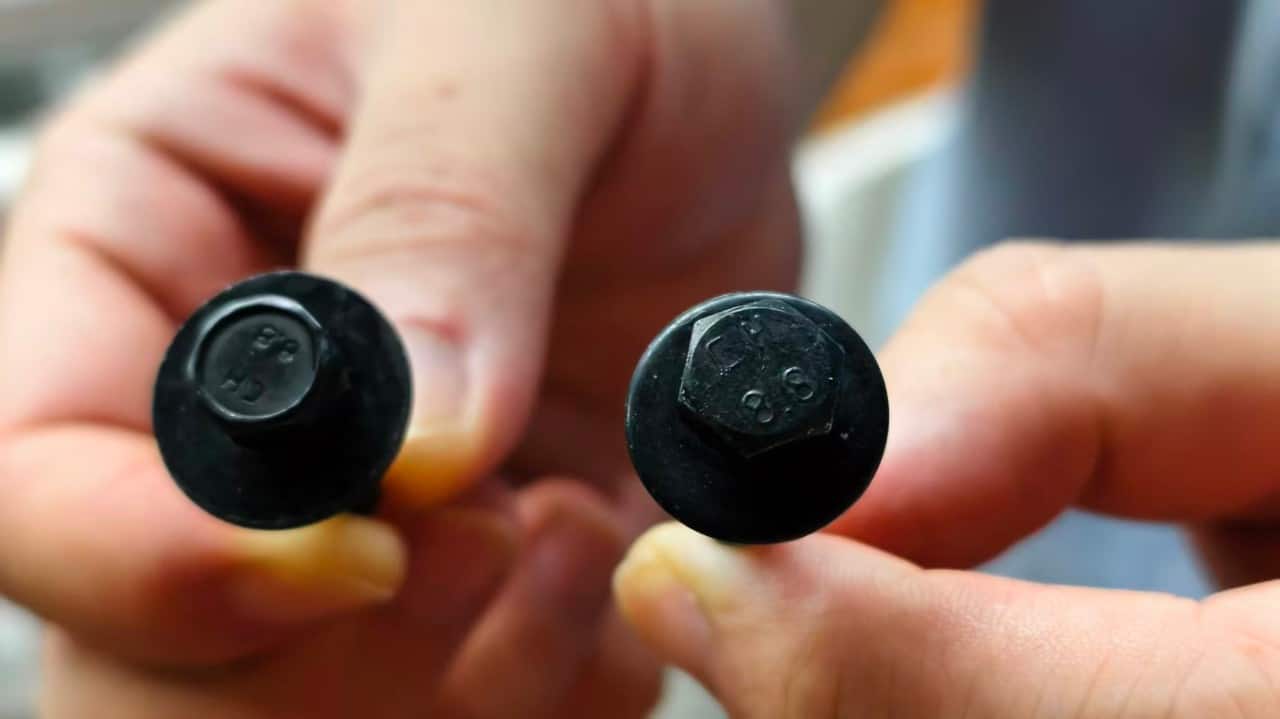
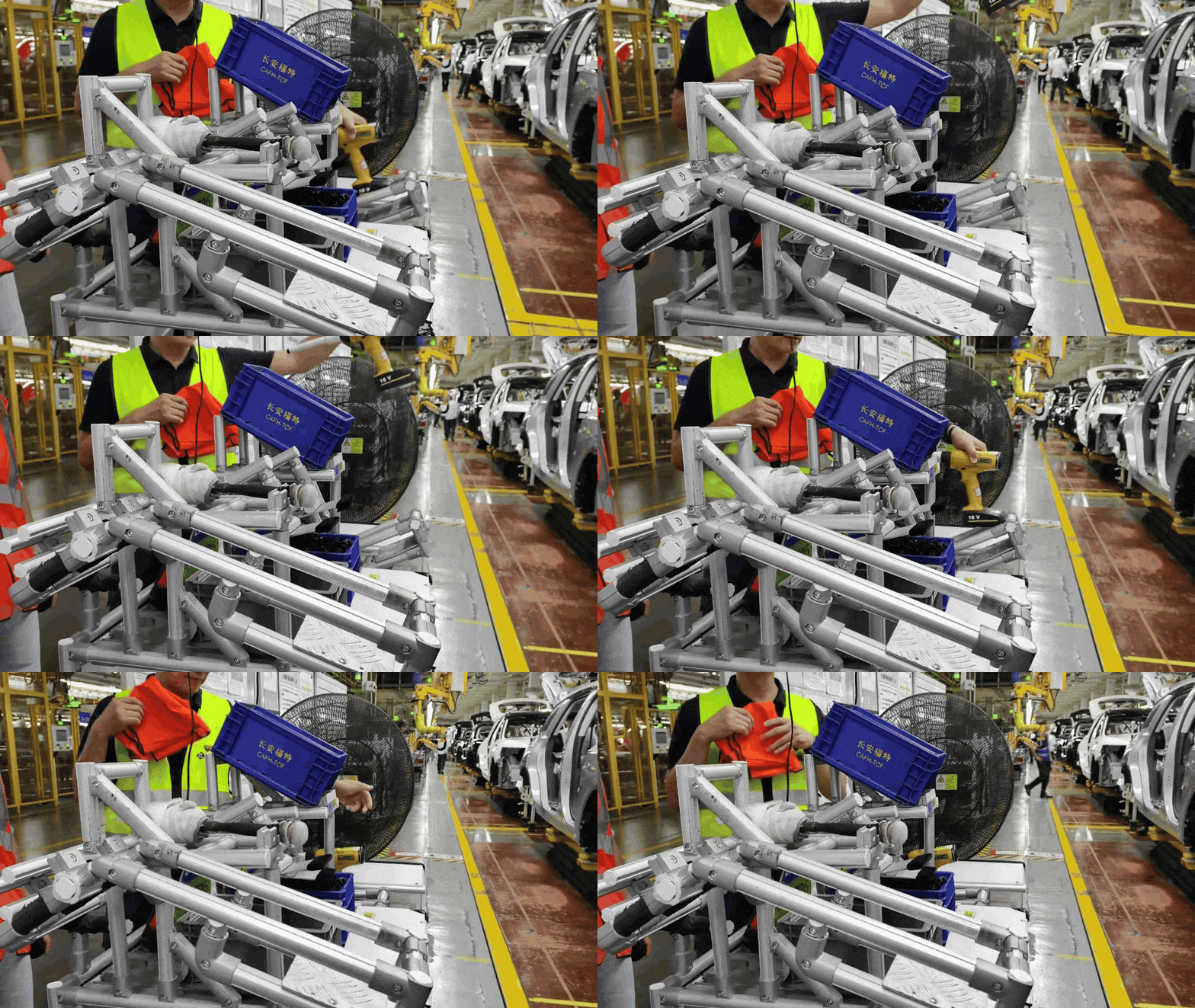
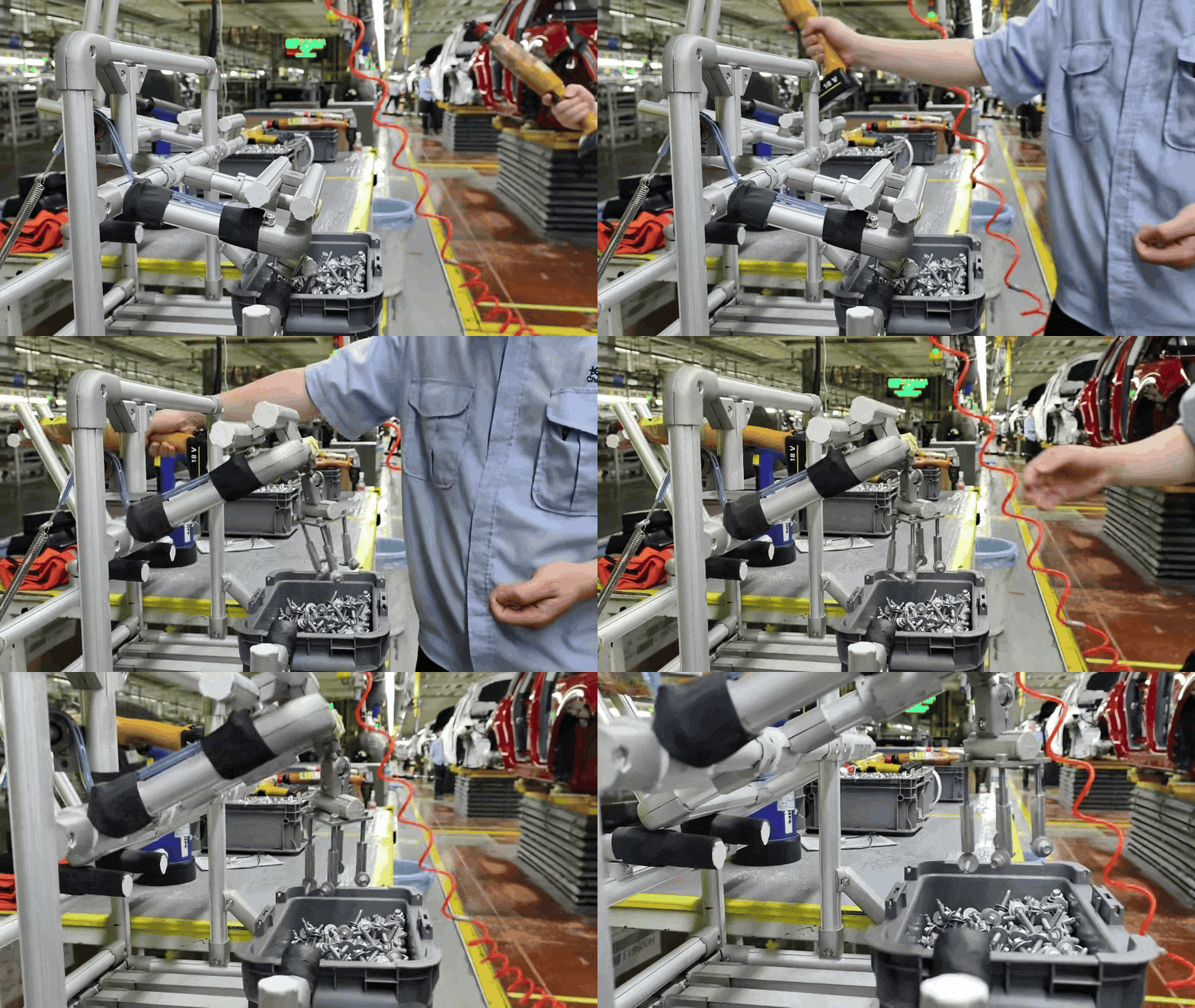
At one workstation, where several similar-looking parts need to be installed, it's easy to grab the wrong one without careful attention. So workers linked the electric screwdriver to the parts bins: only the bin corresponding to the screwdriver in hand would open automatically, while all others remained locked—making it virtually impossible to pick the wrong part.

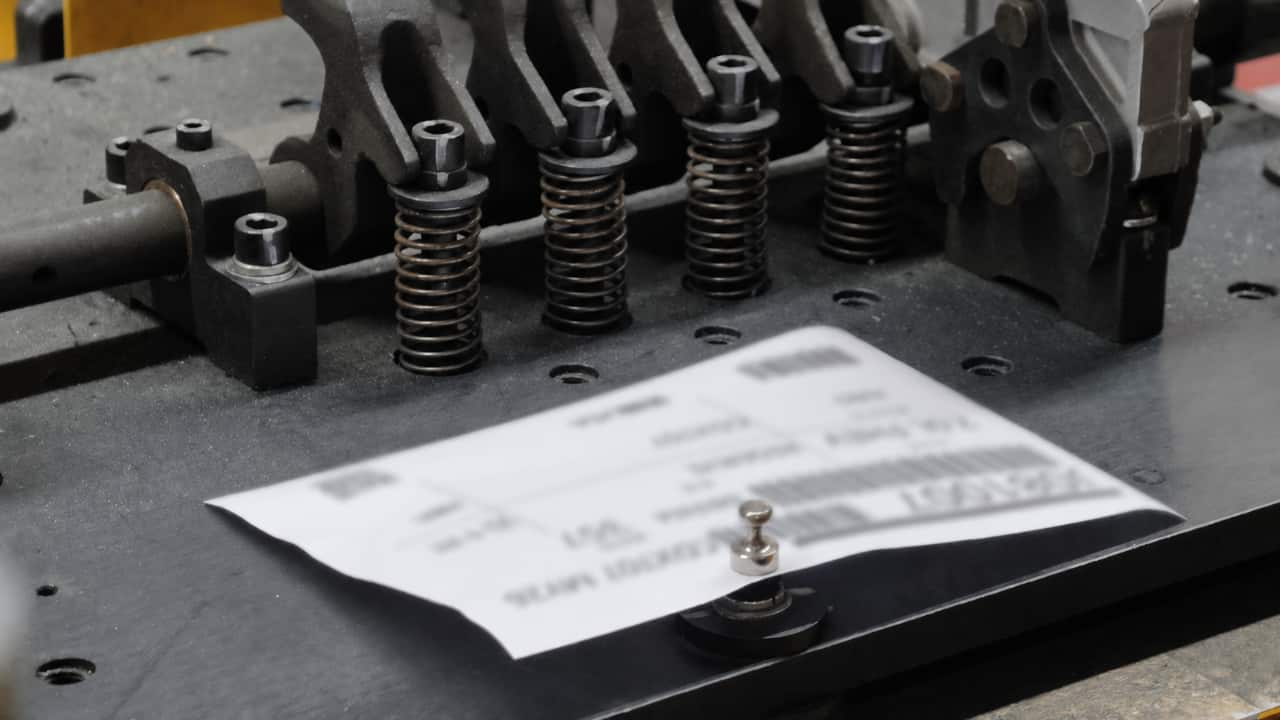
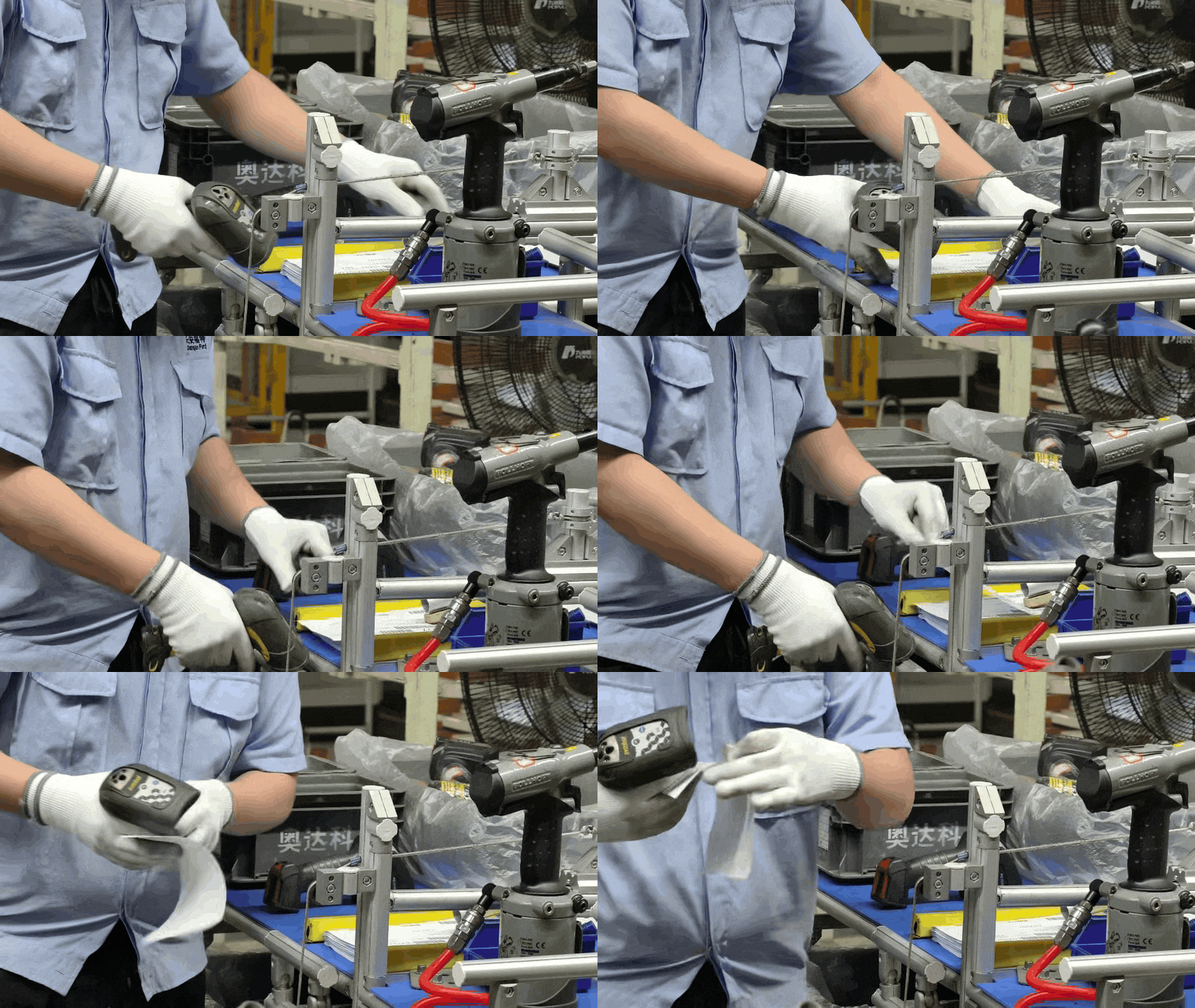
The same logic was applied to the "vehicle flow card" that travels with each car. This small slip of paper records various information about the vehicle, functioning like an ID card that follows it through every stage of production. In the past, operators wearing protective gloves would often grab multiple cards at once, causing mix-ups in the sequence. A simple modification now ensures that only one card can be pulled at a time, minimizing the risk of mix-ups—and sparing workers from constantly having to remove their gloves.

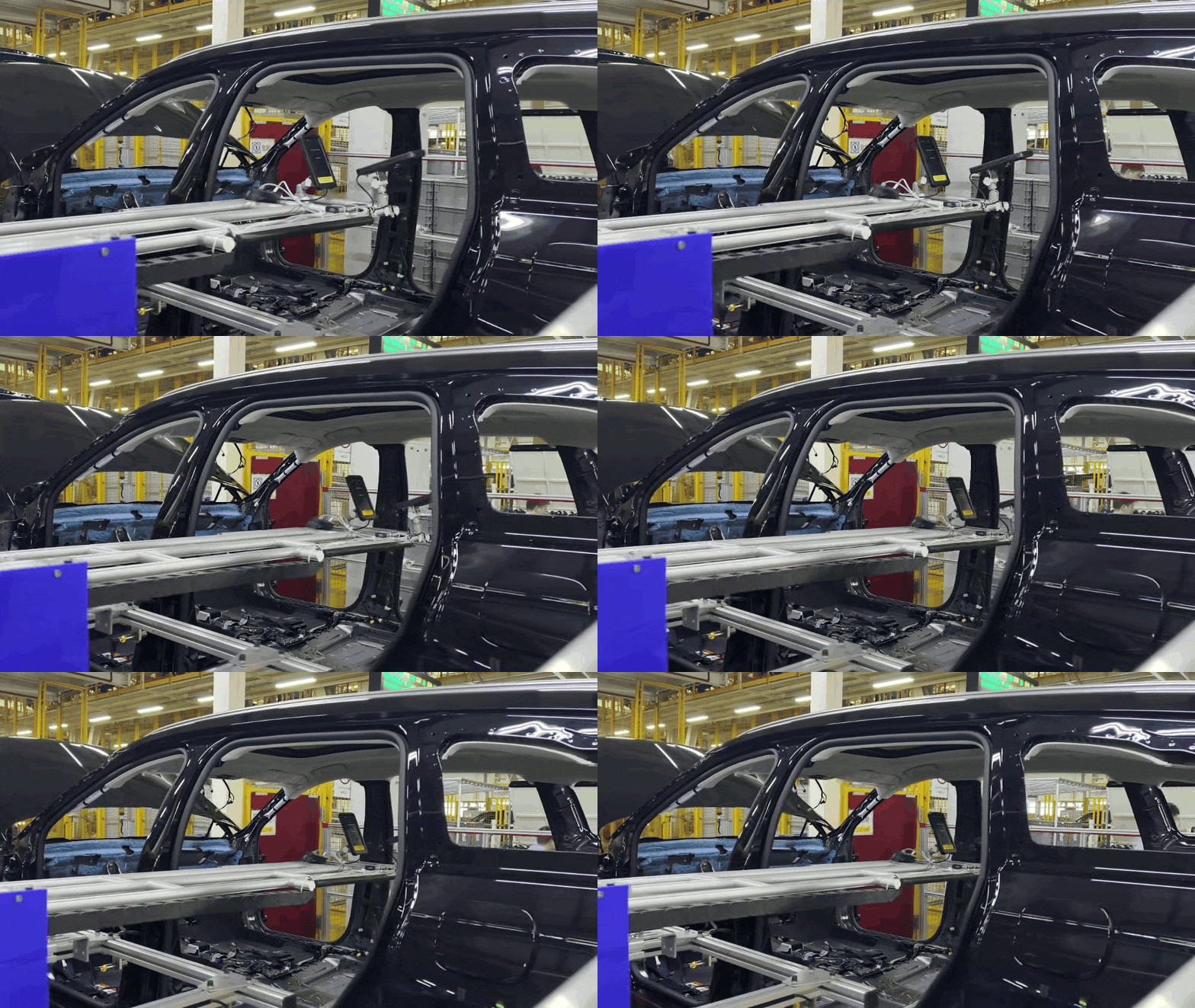
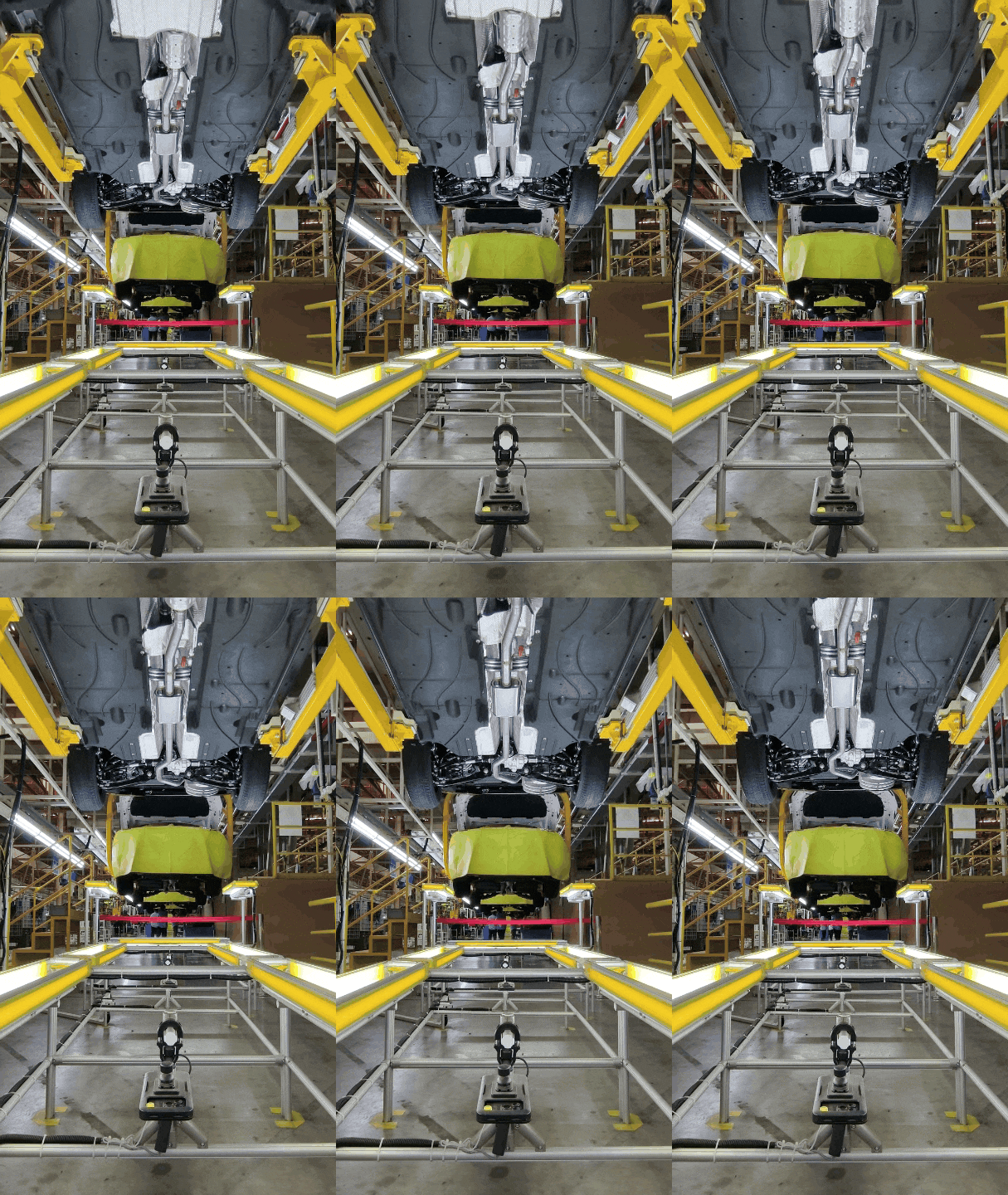
There's an even more interesting innovation. A few ordinary smartphones, paired with an AI visual inspection model, together form an "AI quality inspector." Through their cameras, they capture assembly details of hundreds of components on the chassis in real time, completing high-precision assembly quality checks within one to two seconds. As a vehicle passes by, the system automatically photographs, identifies, and returns results instantly—catching missing or incorrectly installed parts right away, so the problem stays at the current station instead of moving downstream, where it could turn into a far more complicated inspection issue or quality risk.

This inspection method now enables round-the-clock automated checks at stations covering exterior trim, chassis, and more. The Hangzhou plant is also Ford's first factory worldwide to combine AI visual inspection with LCIA (Low-Cost Intelligent Automation) mobile units, bringing fully automated interior assembly inspection into production.

These improvements may look simple, but at their core they all share the same goal: moving quality control upstream, so that errors are prevented before they occur—or caught the moment they do.

Good Design That Lightens the Load

Beyond product quality, there's another question worth pondering: how to make every motion a worker makes just a little bit easier.

At one station, operators need to install four screws—something that used to require manually counting parts or making repeated trips to fetch them. Now, with a small magnetic-tip device, they can pick up the tool once and gather all four screws attached to its end in a single motion, completing the installation in one go. There's no need to manually count parts or walk back and forth, and the risk of a missed screw drops significantly.

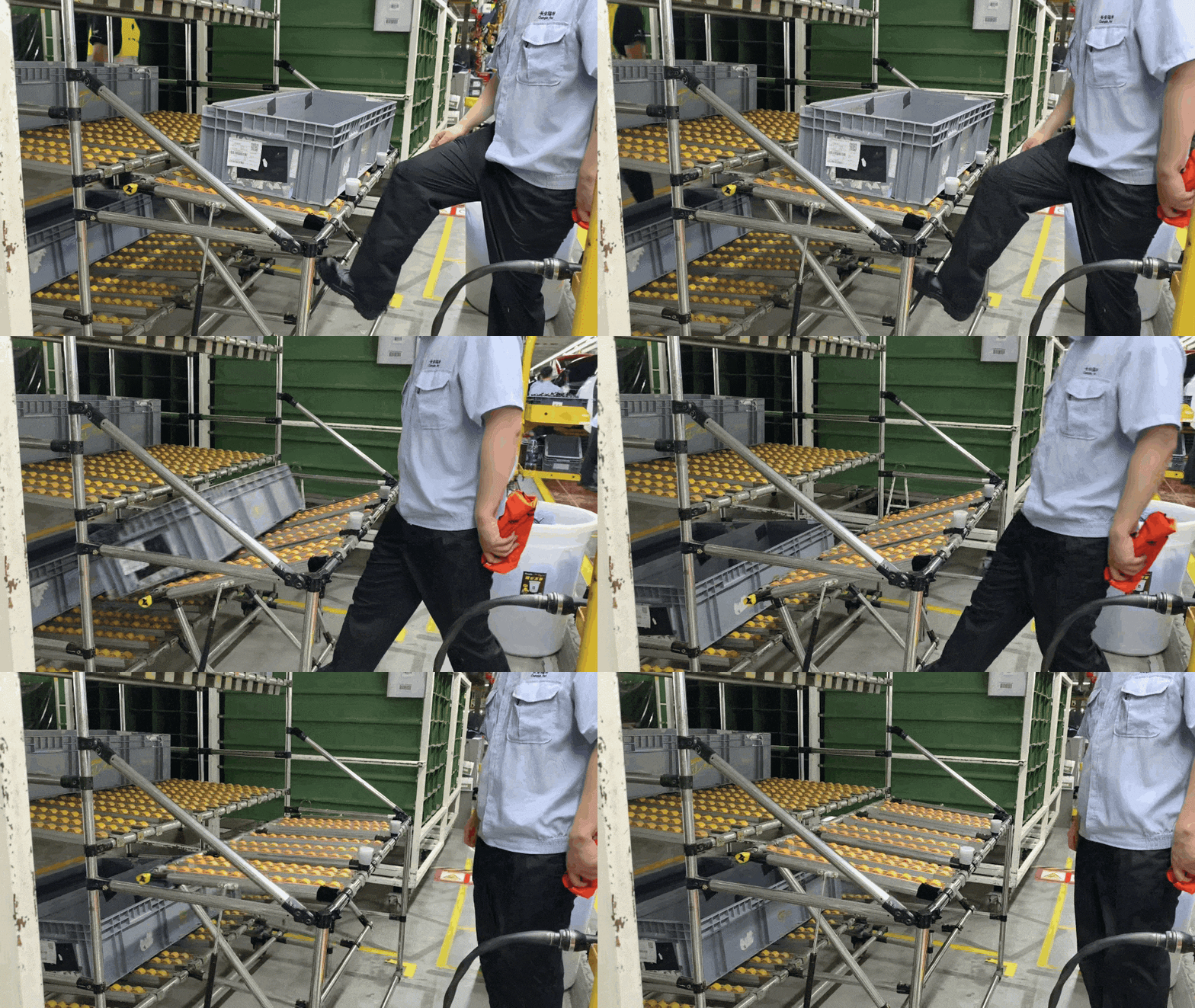
Moving material bins works the same way. With the addition of rollers and a return mechanism, empty bins now return automatically while full ones glide smoothly into place at the workstation. What once required bending down and walking back and forth has become as simple as lightly stepping on a pedal.

Click to Enlarge

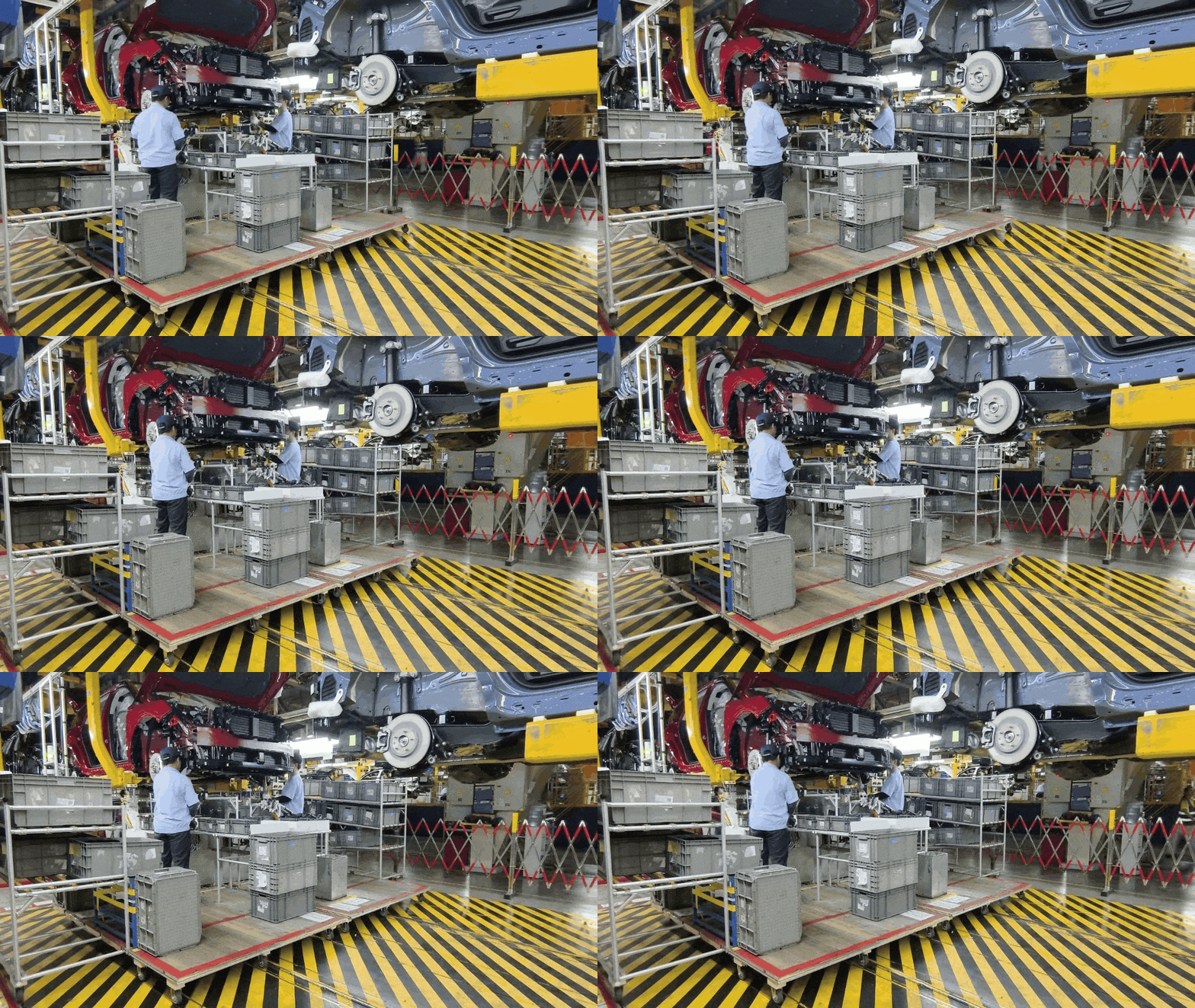
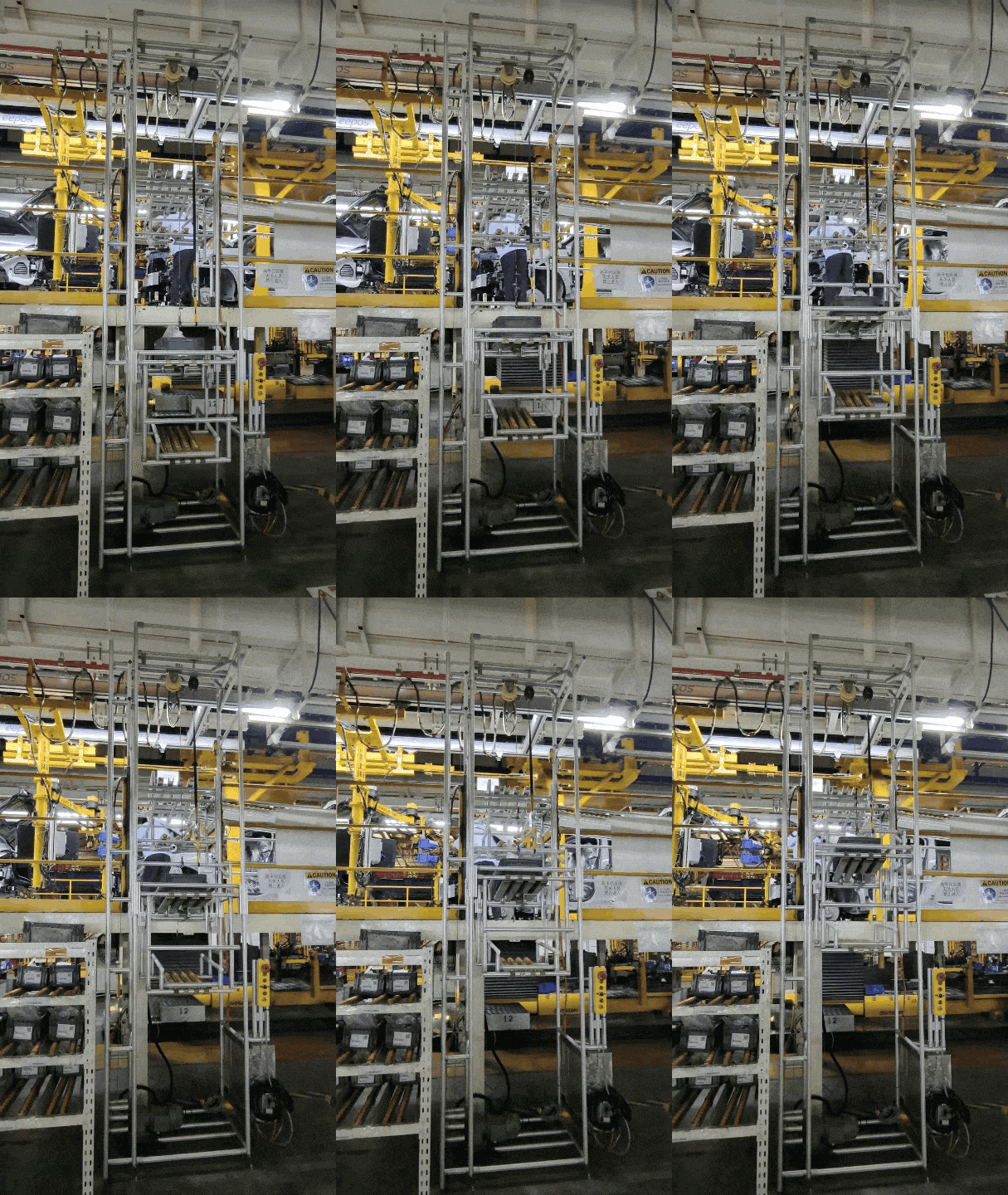
For stations with longer assembly times, tools and parts have been placed on a mobile workbench that moves along with the production line, reducing how much workers need to walk and speeding up the pace of assembly at that station. And for stations that once required carrying dozens of boxes—amounting to tens of kilograms—up stairs every day, workers designed a simple "parts elevator," letting a machine take over the repetitive heavy lifting.

Click to Enlarge

None of these modifications are complicated, but they mean one less bend of the back, one less box to carry, a few less steps to walk. Over time, these small changes add up to transform the entire work experience.

These improvements share one more thing in common: none of them were invented for the sake of invention.

Someone simply wanted to bend over one less time. Someone hoped to avoid repeated trips back and forth for parts. Someone wanted to make sure the next colleague wouldn't have to worry about grabbing the wrong component. Nearly all of these small inventions share the same starting point: the operators who work on the production line every single day.

In 1913, inspired by the disassembly lines of meatpacking plants, Ford pioneered the moving assembly line for automobile manufacturing—a milestone advance in the history of the auto industry, so influential that the assembly line remains the system used by car factories around the world to this day.

Today, this grassroots ingenuity may seem modest compared to the sweeping transformation brought about by that revolution a century ago. But it is precisely these seemingly small, unremarkable improvements—made again and again—that make assembly line work more meticulous, more efficient, and more human: making the job a little more comfortable to do, quality a little more consistent, and the thousands of repeated motions and tens of thousands of steps walked each day a little easier to bear. In doing so, they safeguard not only the quality of the product, but also the wellbeing of every worker on the line.