Search Enterprise or @FordOnline
Please remove special characters

How Ford Thailand Manufacturing Unlocked Hidden Capacity Without Spending Big

Aug 06, 2026

By flattening hierarchy, dropping titles, and relentlessly asking "why, why, why," cross-functional teams at Ford Thailand Manufacturing cut energy costs and unlocked factory output—surpassing all expectations.

With energy prices rising and sustainability targets tightening across the auto industry, Ford Thailand Manufacturing found a way to cut power consumption and boost vehicle output at the same time—without a major capital investment.

Rather than turning to new equipment or automation, the plant ran an intensive, five-day cross-functional workshop that put engineers, operators, and executives on the same footing to hunt down energy waste and production constraints directly on the factory floor. The result: dozens of practical fixes that are now cutting costs and easing pressure on the plant's environmental footprint—proving that some of the biggest sustainability wins in manufacturing don't require big budgets, just the right people asking the right questions.

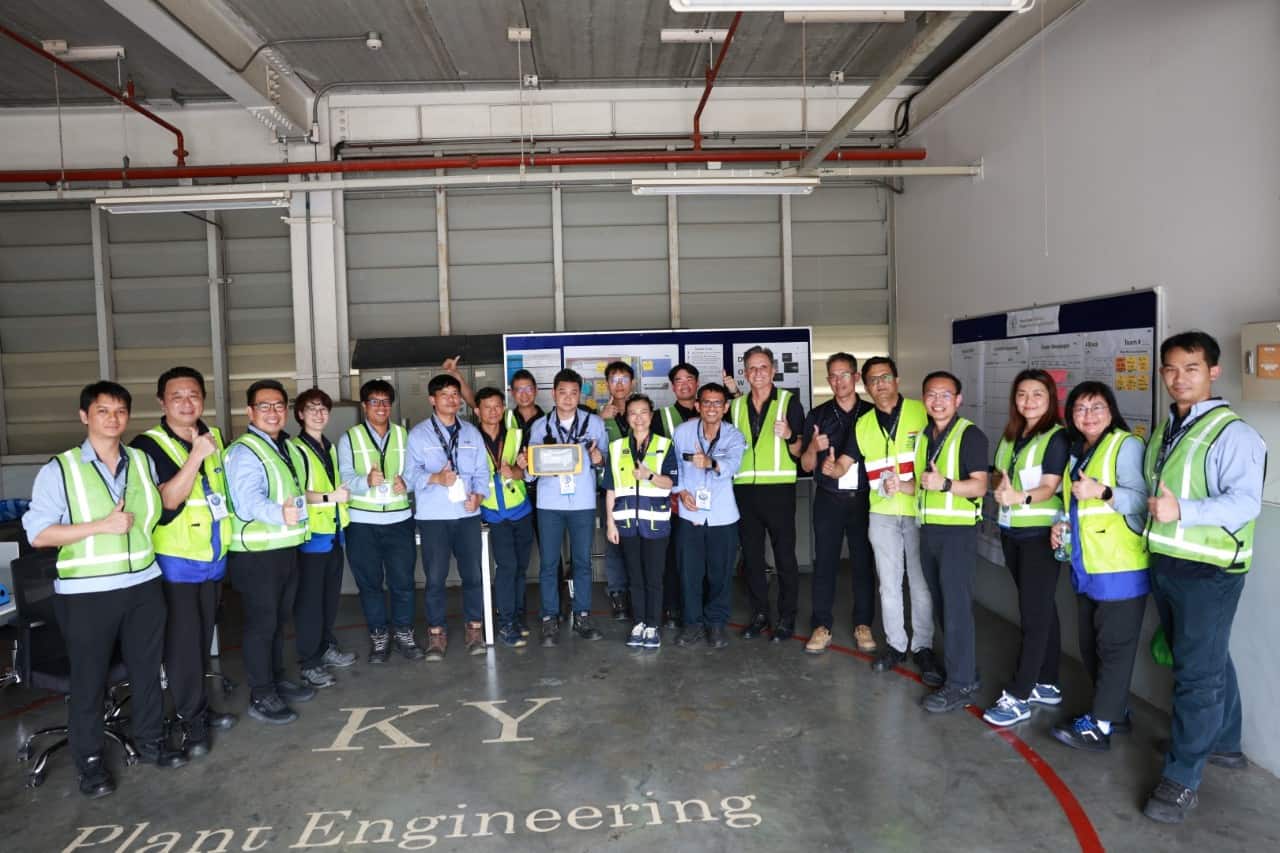
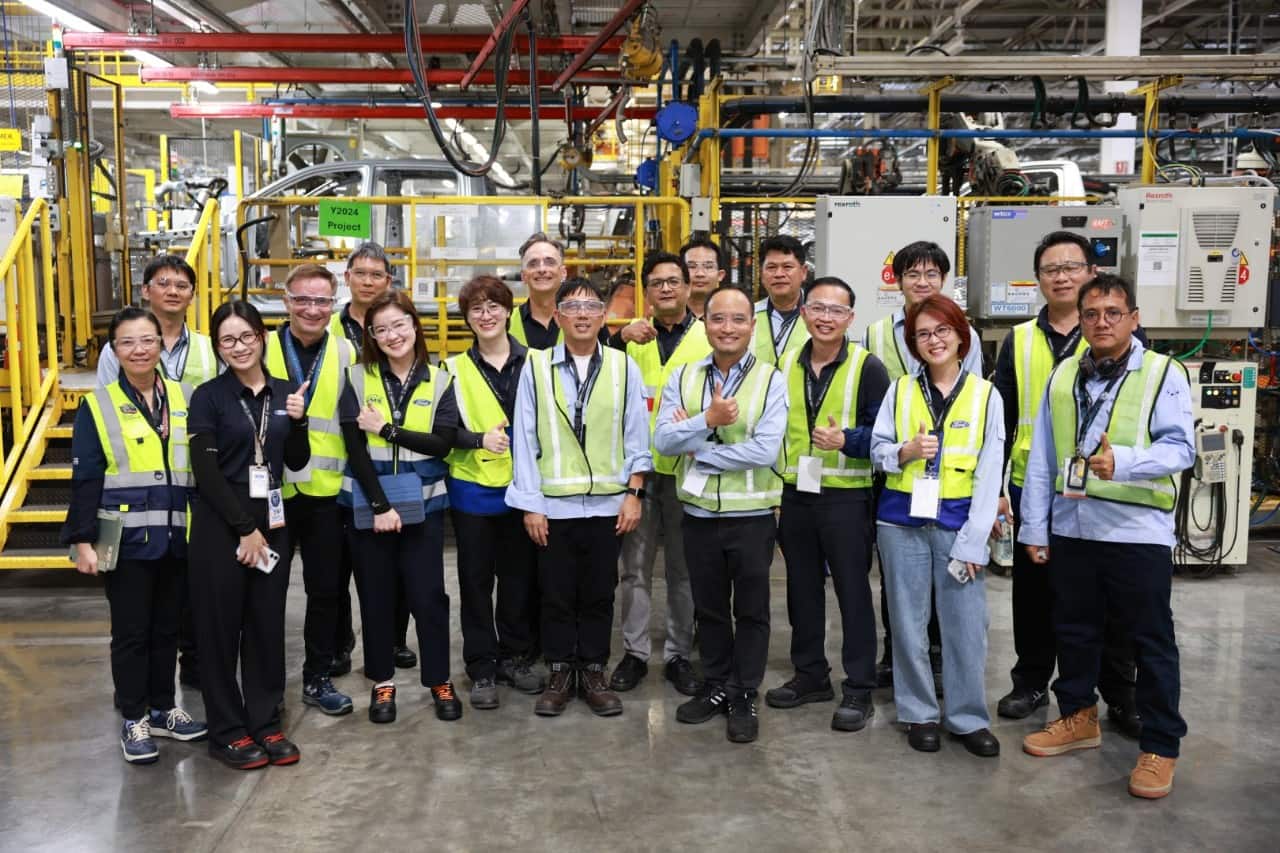
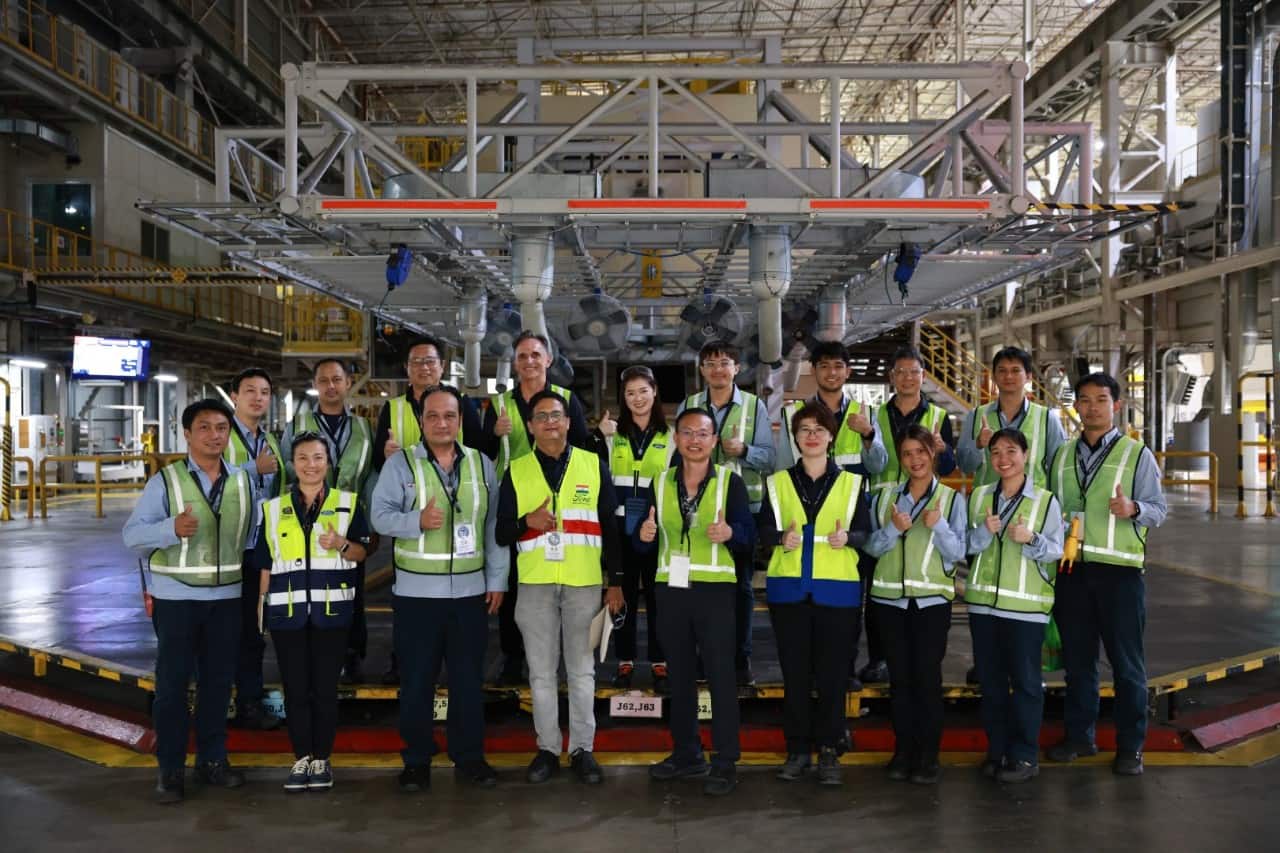
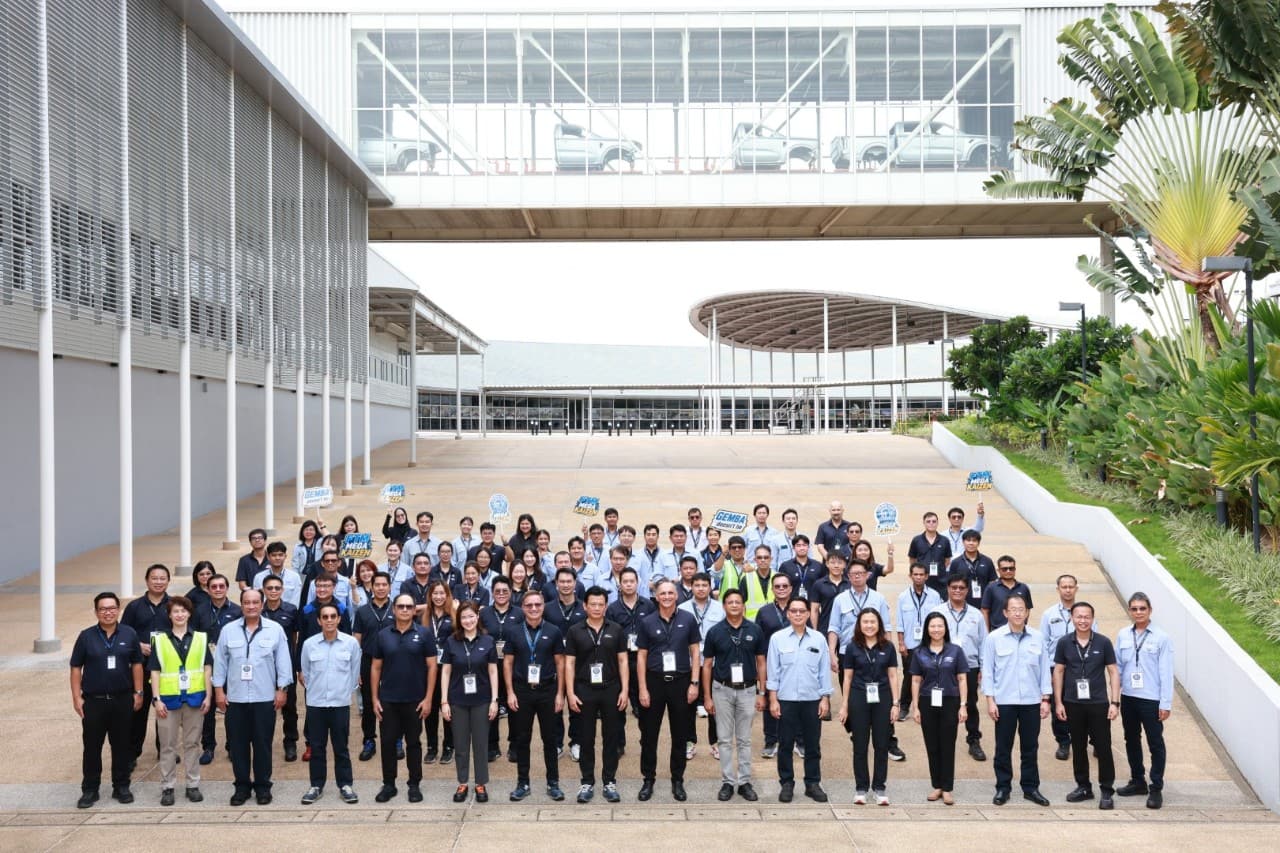
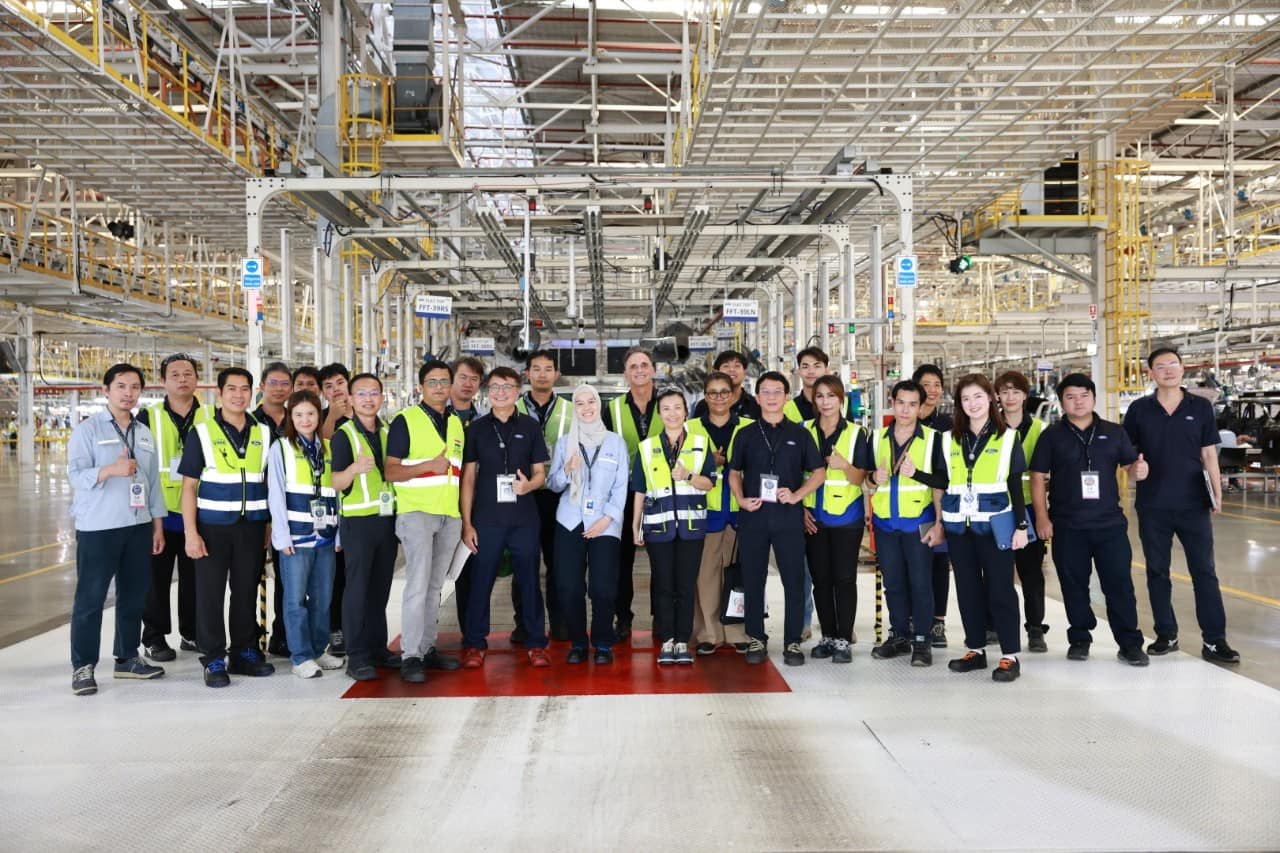
That financial and operational reality set the stage for a bold experiment at Ford Thailand Manufacturing (FTM). For five straight days, executives, line operators, engineers, finance staff, and Human Resources set aside their daily routines for a plant-wide "Mega Kaizen Workshop." Their mission was clear: drive down factory energy consumption and eliminate production constraints in the paint spray booth to boost vehicle throughput.

To make it happen, the plant adopted a single, radical ground rule: leave your title at the door.

Stripping Away the Bias

The philosophy behind the workshop sounds simple on paper, but it is rarely executed at scale: the person best equipped to fix a constraint on an assembly line usually isn't the person with the executive title. It’s the operator who has stood at that station every day for years, or the maintenance technician who knows every sound the machinery makes.

To make it work, teams operated under a strict set of plant-floor rules designed to dismantle old corporate habits. They went directly to the GEMBA—the real place where work happens—to observe processes with their own eyes before taking action. Instead of debating theories in meeting rooms, they focused on "try-storming": mocking up physical solutions and testing them immediately on the floor.

Central to the effort was a relentless commitment to challenging everyday assumptions.
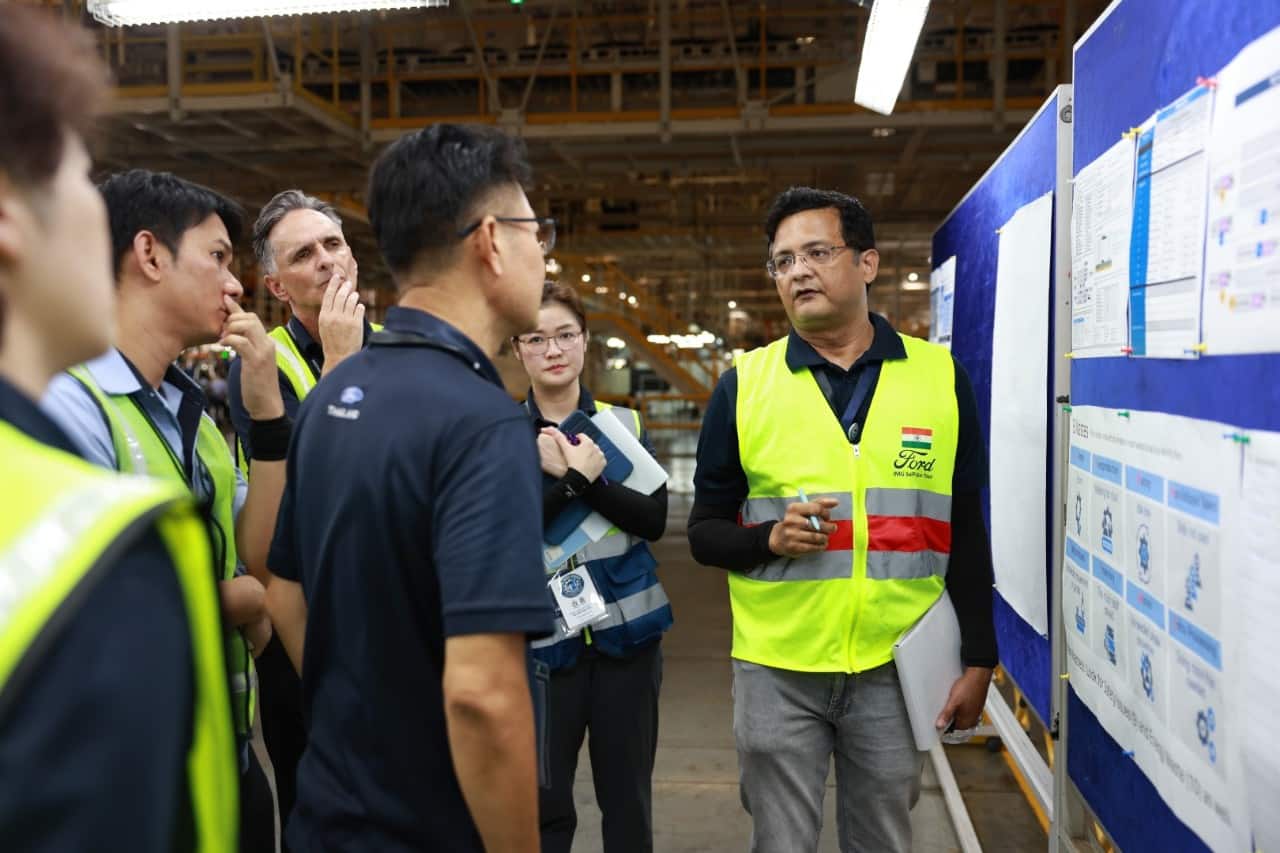
We all carry our own bias—we assume we already know the answer, or that something has to be done a certain way just because it's always been done that way, that's why we keep asking why, why, why. Sometimes it leads you to the root cause of a problem. Other times, it leads you to realize you didn't need to do the thing at all.
Vinko Saric
Operations Director at Ford Thailand Manufacturing

That shift in perspective paid immediate dividends on the plant floor

I walk past our air dryers every single day, but until we stood there and really looked during this workshop, I didn't realize we were operating two completely different types—one with an inverter and one without," shared Suwit Layom, Plant Engineering Engineer at FTM. "By making the change to variable-frequency inverter dryers, we are significantly cutting energy consumption on those units. It proves how many big opportunities are hiding right in plain sight once you drop your assumptions."

Two High-Impact Priorities

Rather than scattering their energy across dozens of minor fixes, the FTM teams zeroed in on two focus areas designed to deliver the greatest operational impact:

1.     Plant-Wide Energy Optimization: Because energy accounts for a big portion of manufacturing overhead, reducing consumption directly powers the business forward. Teams automated non-manufacturing lighting across yards and warehouses, optimized wastewater blower speeds, upgraded to high-efficiency inverter air dryers, and eliminated idle energy draw during shift breaks.

2.     Paint Spray Booth Constraint-Breaking: The paint shop is one of the most complex, resource-intensive stages of vehicle production. Instead of purchasing expensive new equipment, cross-functional teams optimized shift schedules, streamlined robot cleaning cycles, and eliminated unnecessary line gaps—significantly increasing daily vehicle output.

Behind every fix was a shared bias toward action: don't let perfect get in the way of better.

Results That Surpassed Expectations

In just five days, the workshop delivered tangible, immediate momentum. Cross-functional teams identified 450 total opportunities for improvement—and permanently closed 138 of them (31%) before the week was out. Many fixes were identified, tested, and implemented on the spot within hours by "Fresh Eyes" teams.

But for Saric, the most meaningful result wasn't on the balance sheet.

"We saved more than we expected—but equally important, we refreshed our learnings and our mindsets," Saric reflected. "FTM didn't just close out a week of opportunities. It reinforced that when we collaborate as diverse teams, we don't just solve problems—we redefine what's possible."

Ultimately, FTM's experiment proved a powerful truth about modern manufacturing: the most impactful breakthrough in factory efficiency isn't new machinery—it is the collective ingenuity of the frontline workforce. By stripping away titles and empowering the people who know the plant best, FTM created a repeatable blueprint for operational excellence across Ford's global manufacturing network.