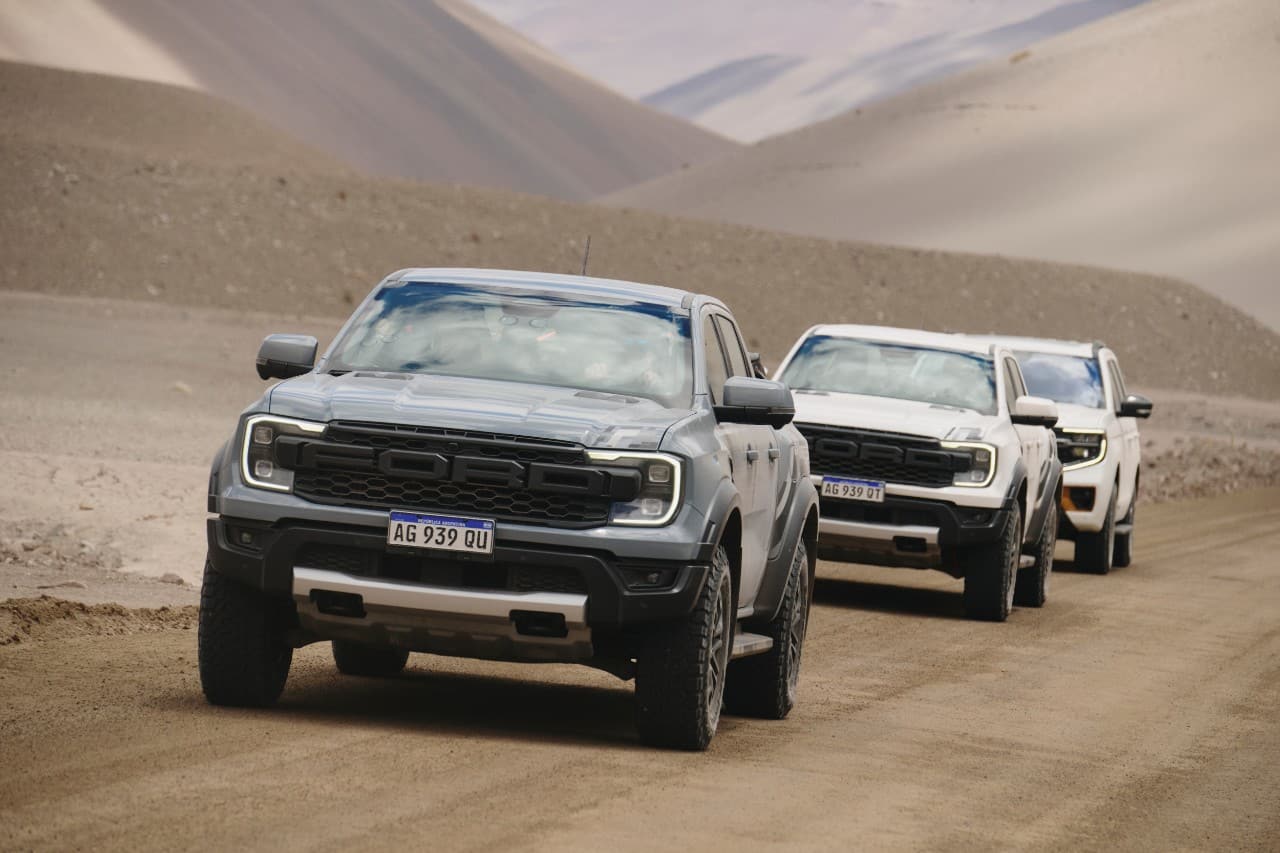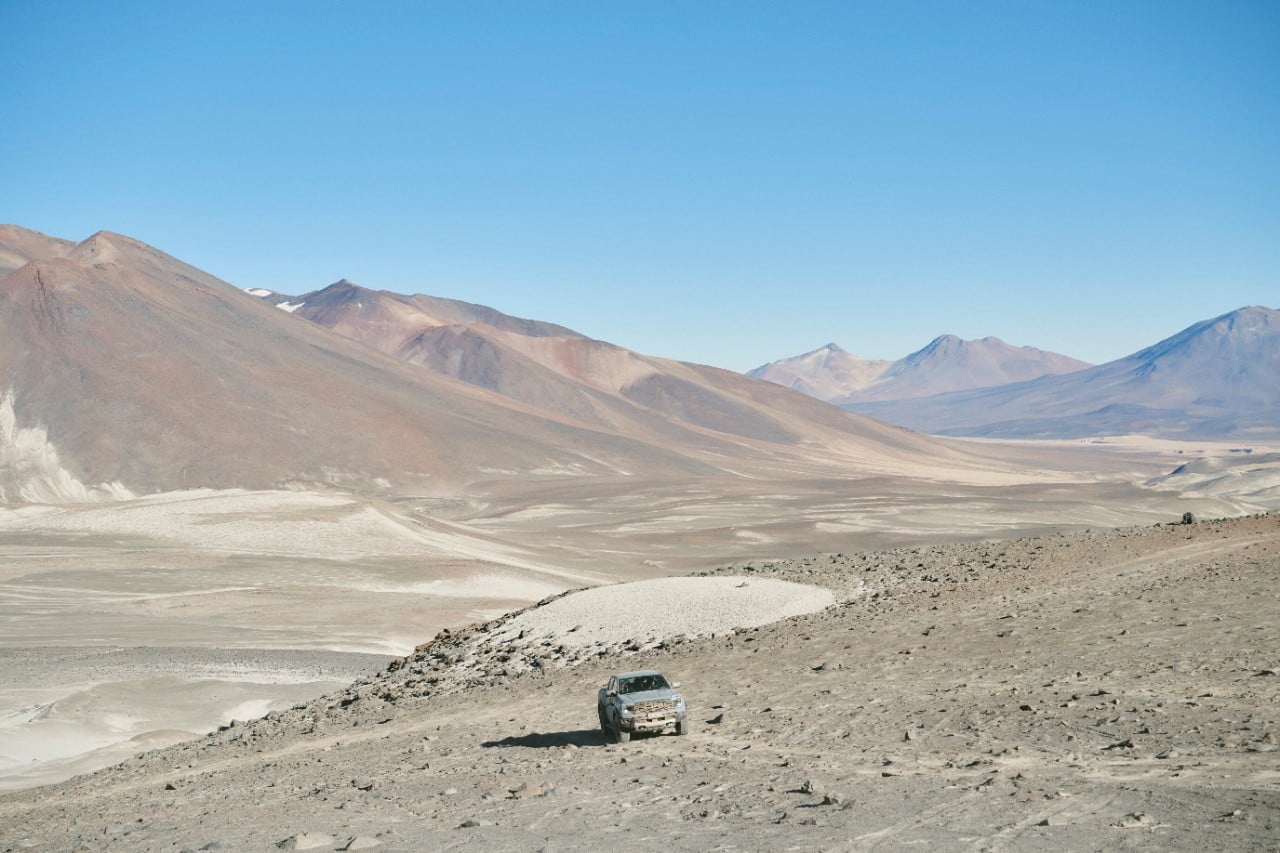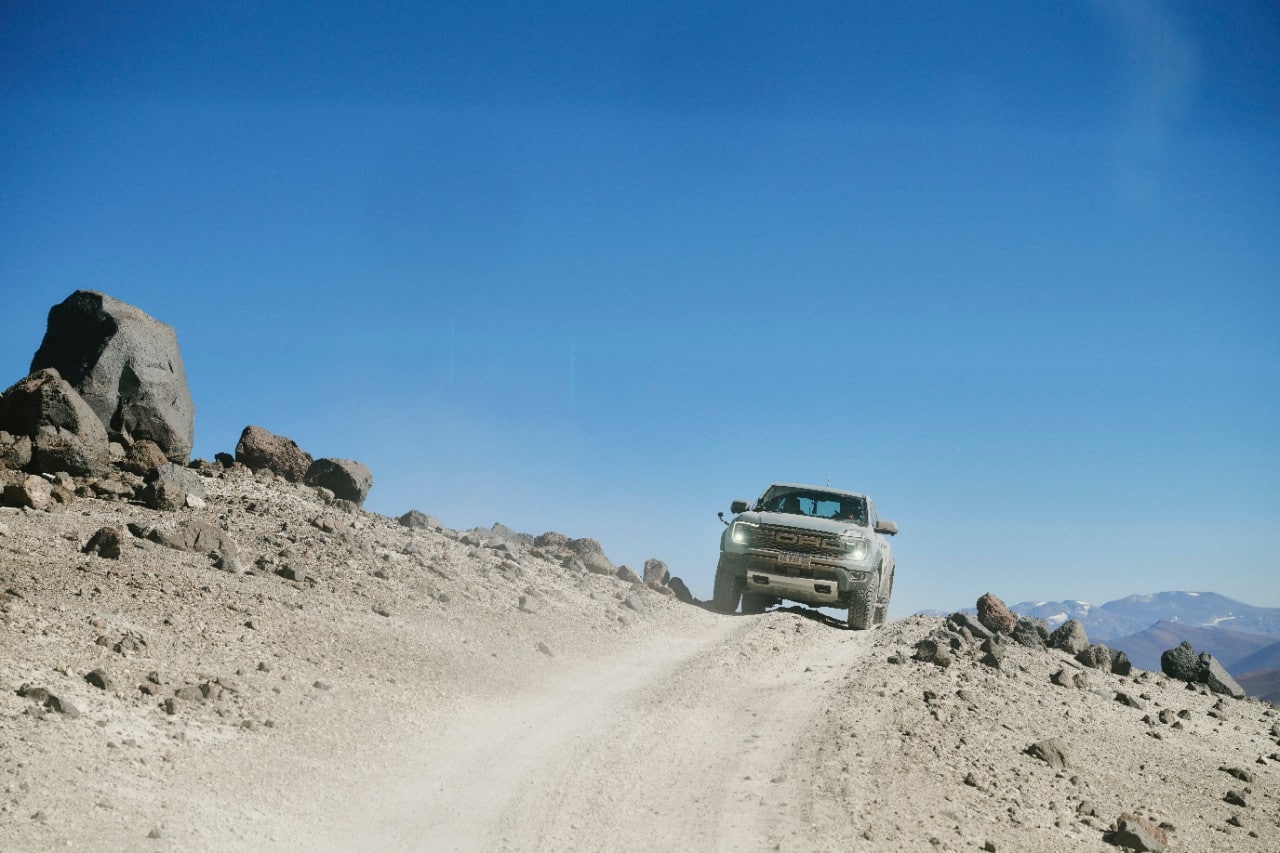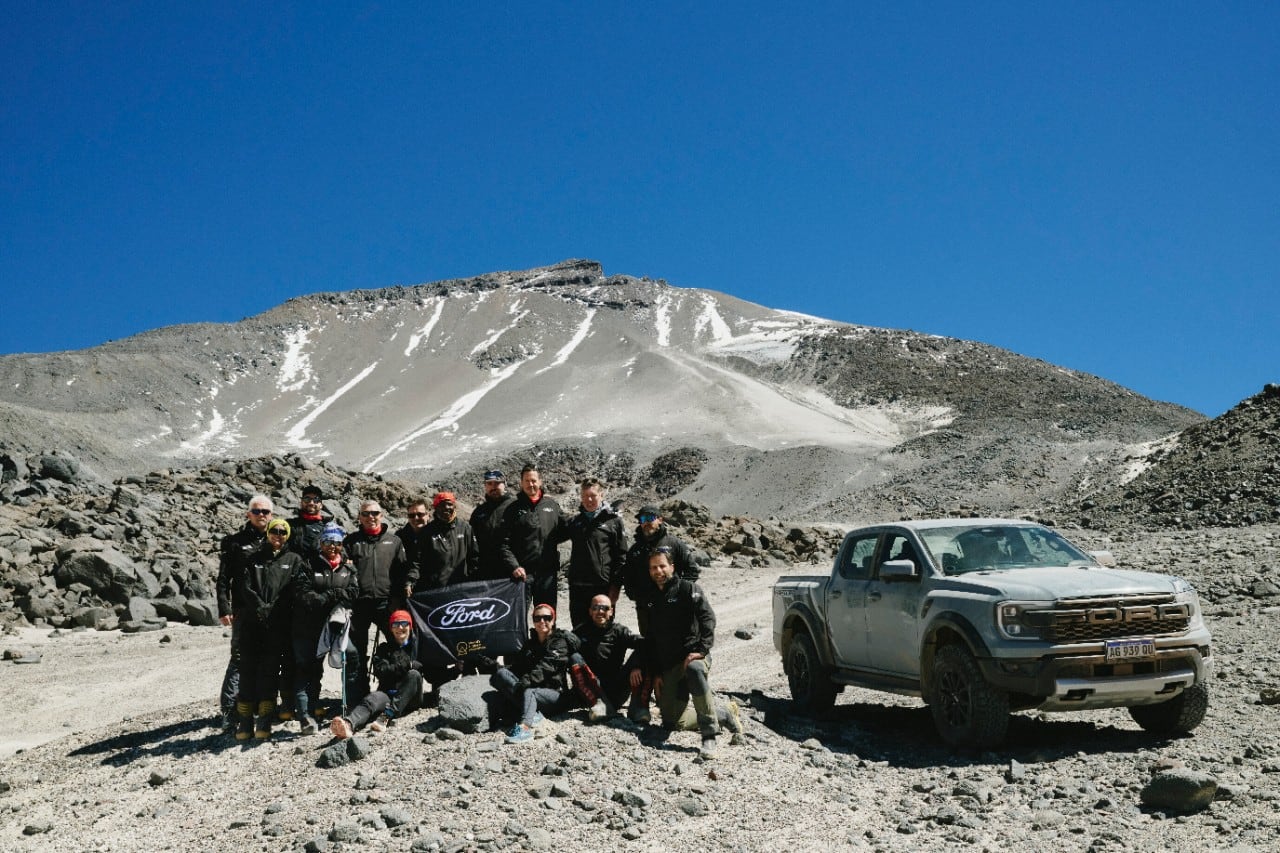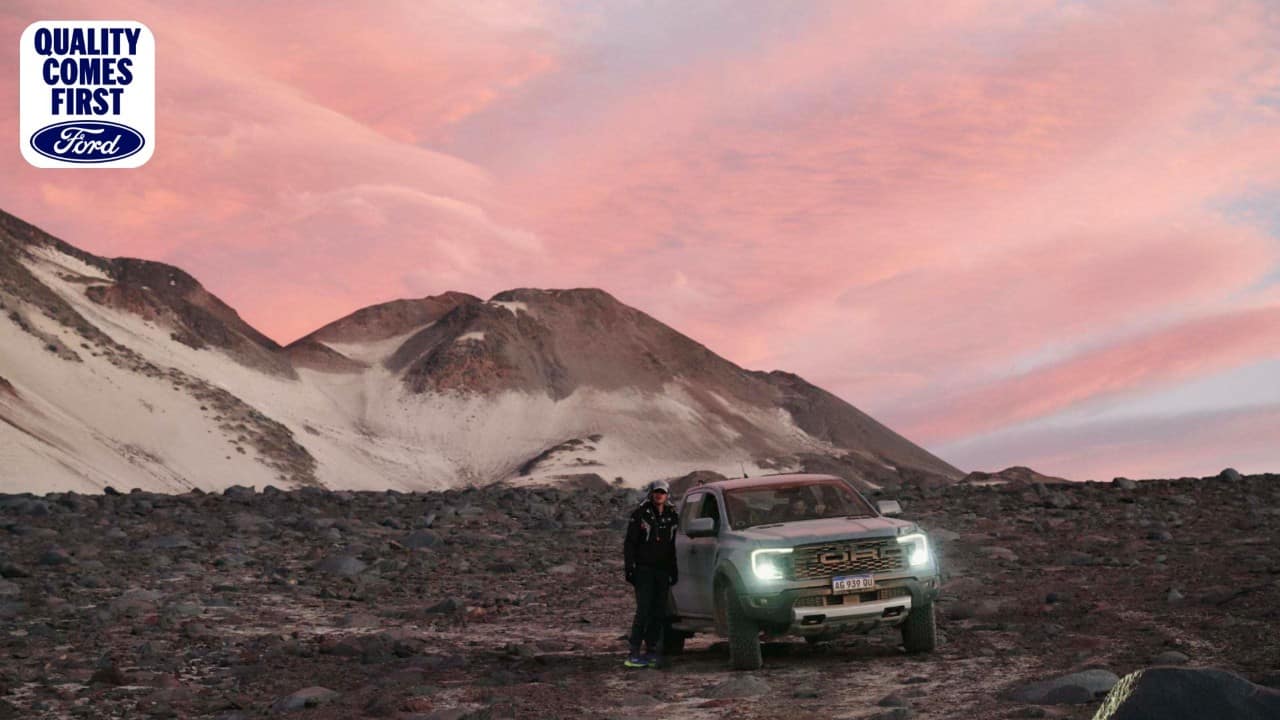
A team of adventurers planned to take Ford vehicles up the world’s highest active volcano, Ojos del Salado, in Chile in February 2026.
My team of engineers, who perform powertrain validation testing at altitude, have offices that look a little different than most.
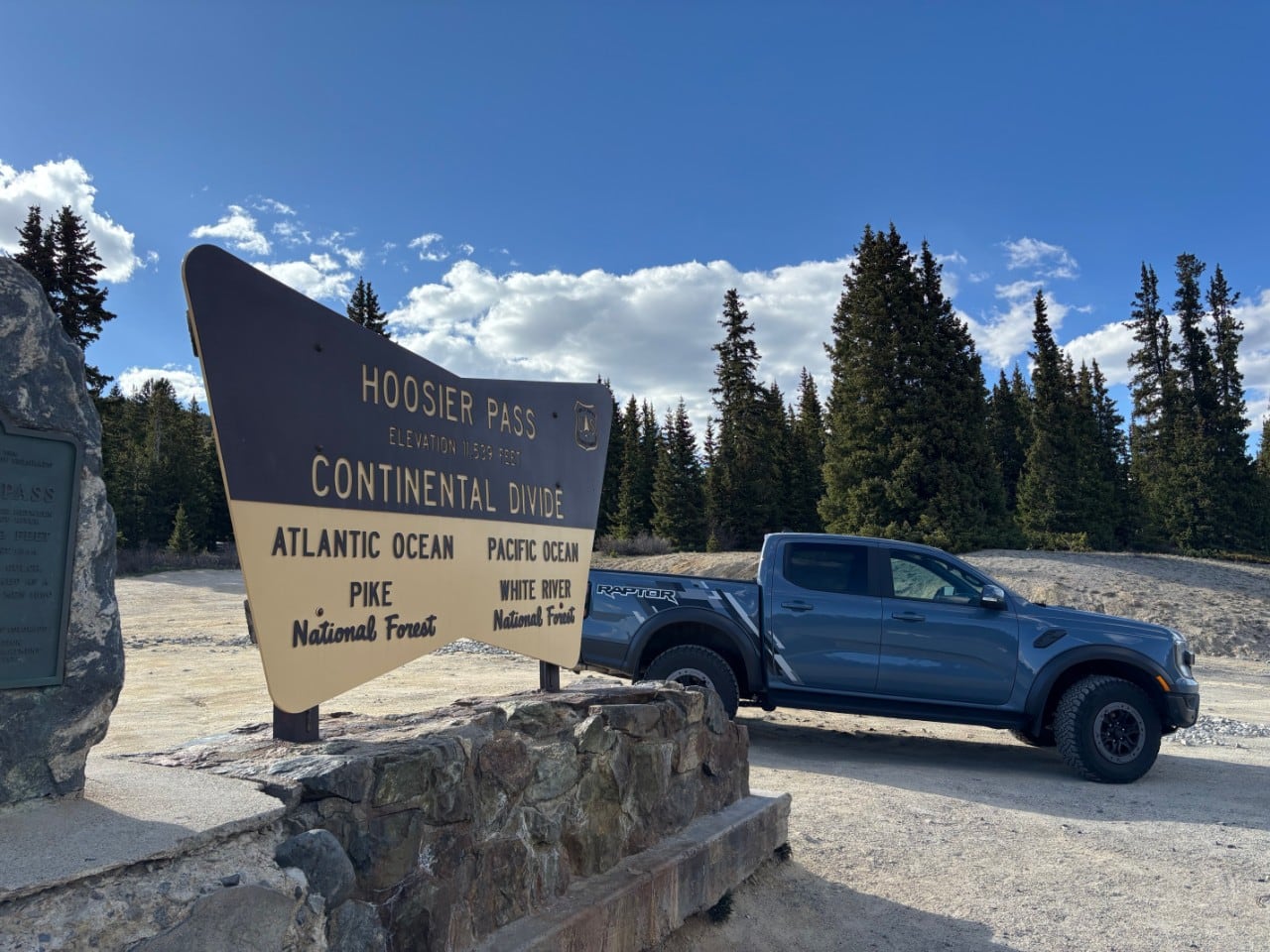
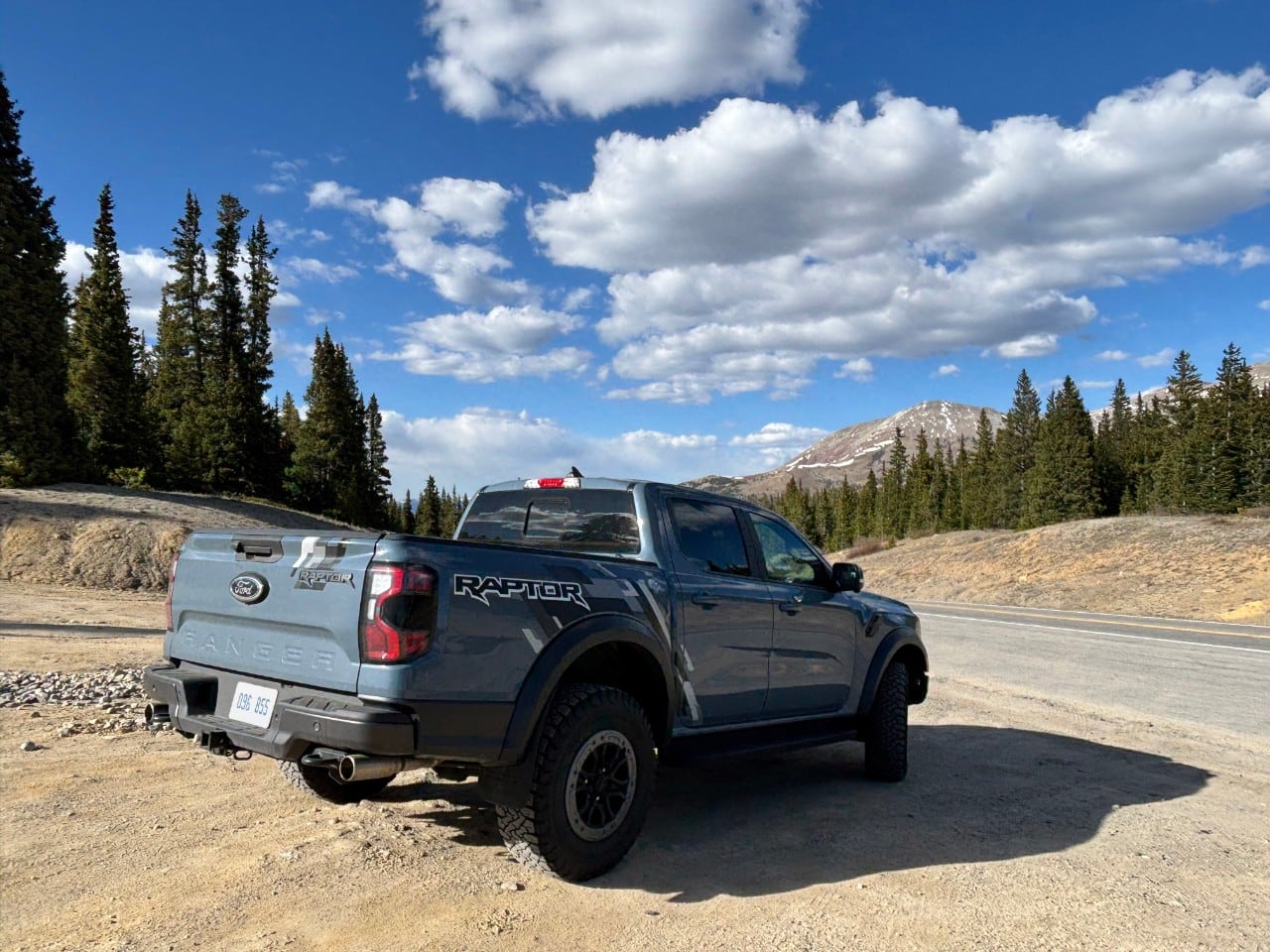
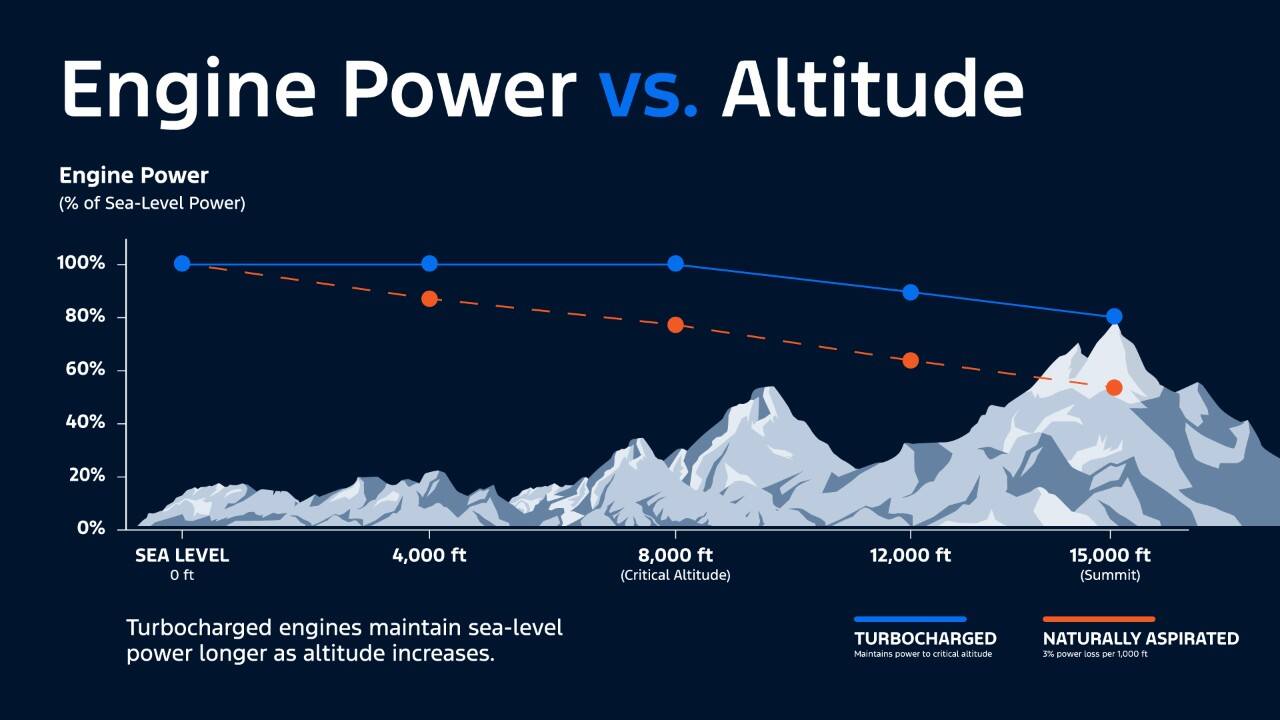
Countless hours are spent in a climate-controlled chamber in Dearborn, where we simulate the thin air of a 12,000-foot mountain pass under varying ambient temperature conditions. For final validation and sign-off, our work takes us out to Summit County, Colorado, where North America’s highest paved roads top out around 14,000 feet.
These benchmarks aren’t arbitrary. They’re based on where our customers live, work, and explore.
We’re aiming to ensure your engine turns over, even on the coldest winter mornings. We’re making sure when you’re towing a heavy trailer up a steep 6% grade, your truck can maintain speed without having to downshift. And we’re validating that when you need to pass a vehicle on a two-lane mountain highway at 11,000 feet, the engine can deliver enough power to do so safely and confidently.
To achieve that capability, we design our tests far beyond average customer use cases. We’re testing for the 99th-percentile customer, the person who’s going to push their truck to the absolute limit — and then some.
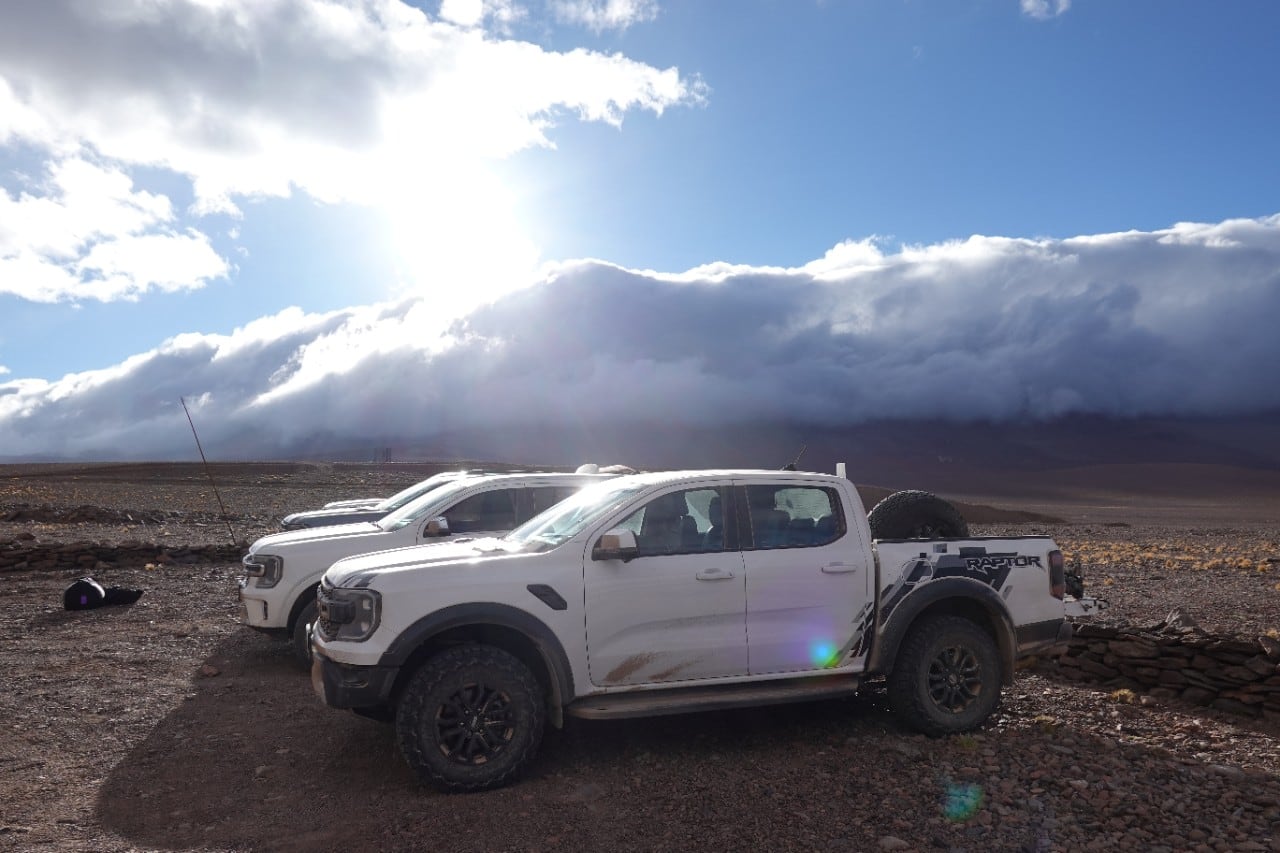
So when we heard that a team of adventurers planned to take two Ranger Raptor trucks, an Expedition Tremor and Expedition SUV, and an Everest up the world’s highest active volcano in Chile in February 2026, our curiosity was piqued.
.jpg/_jcr_content/renditions/cq5dam.web.1280.1280.jpeg)