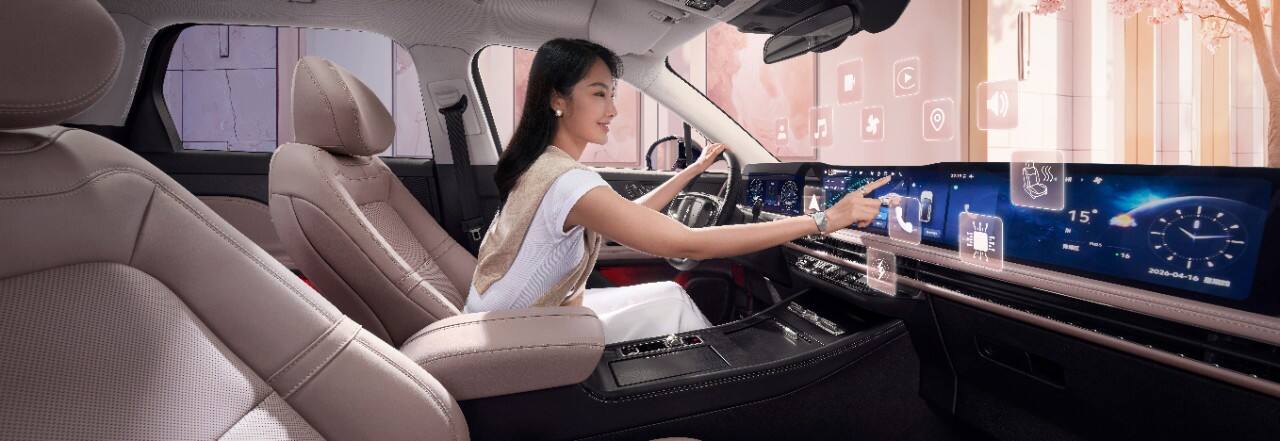
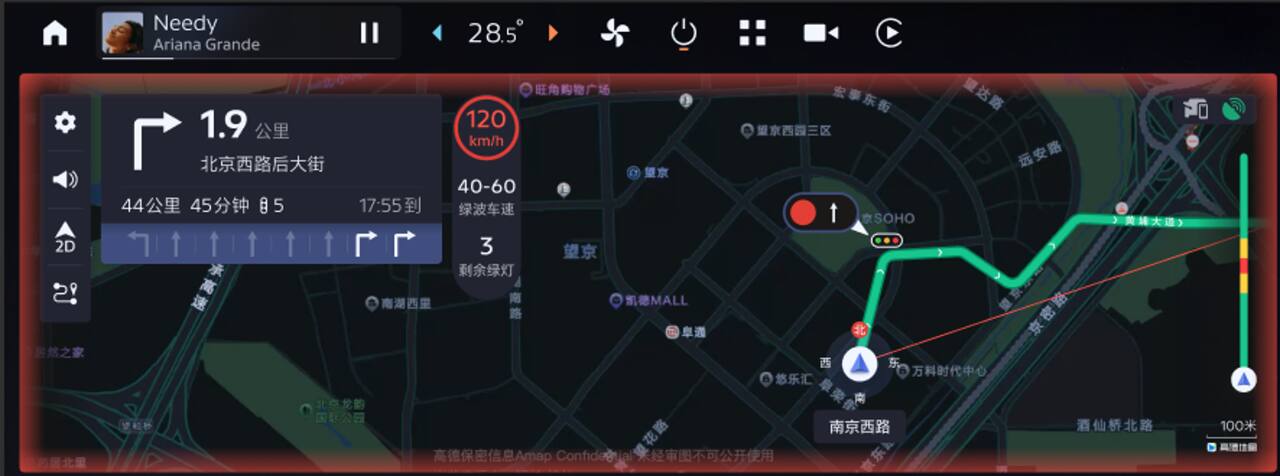
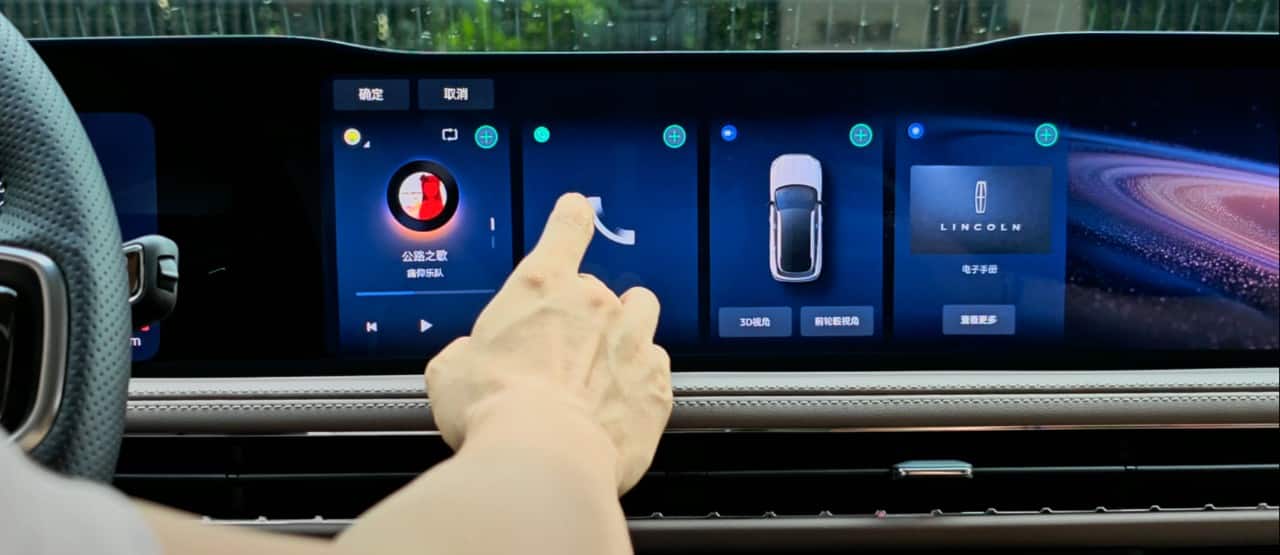
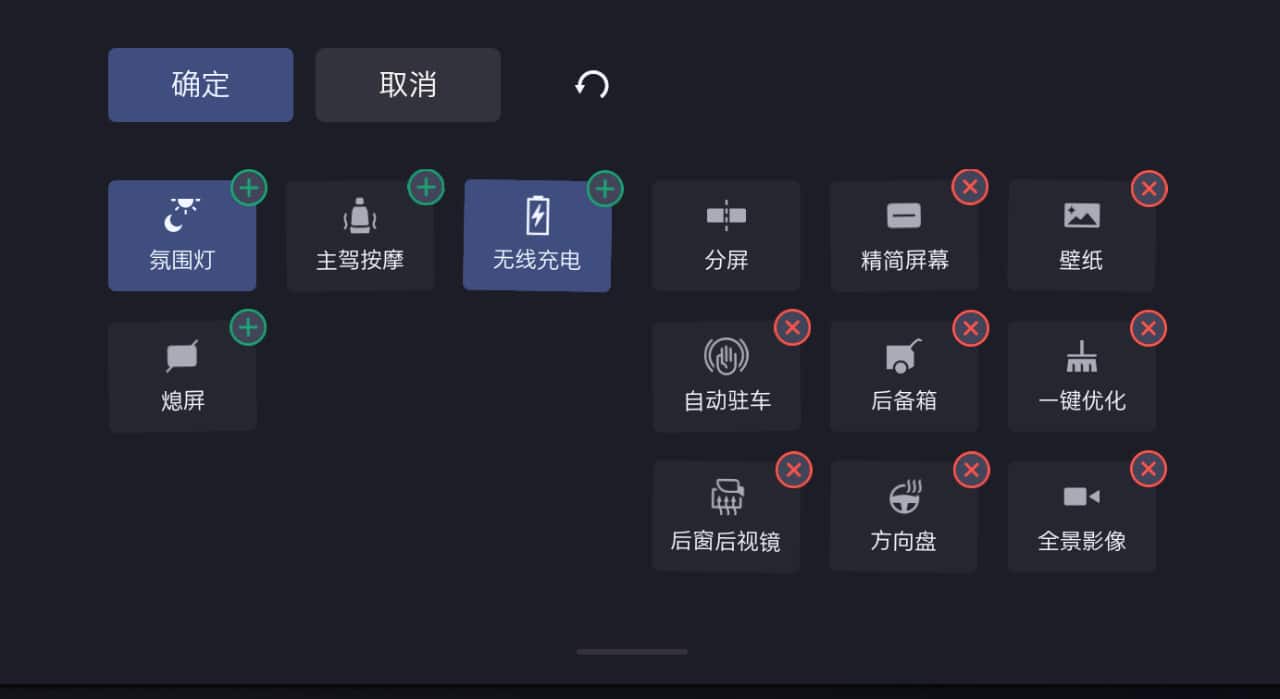
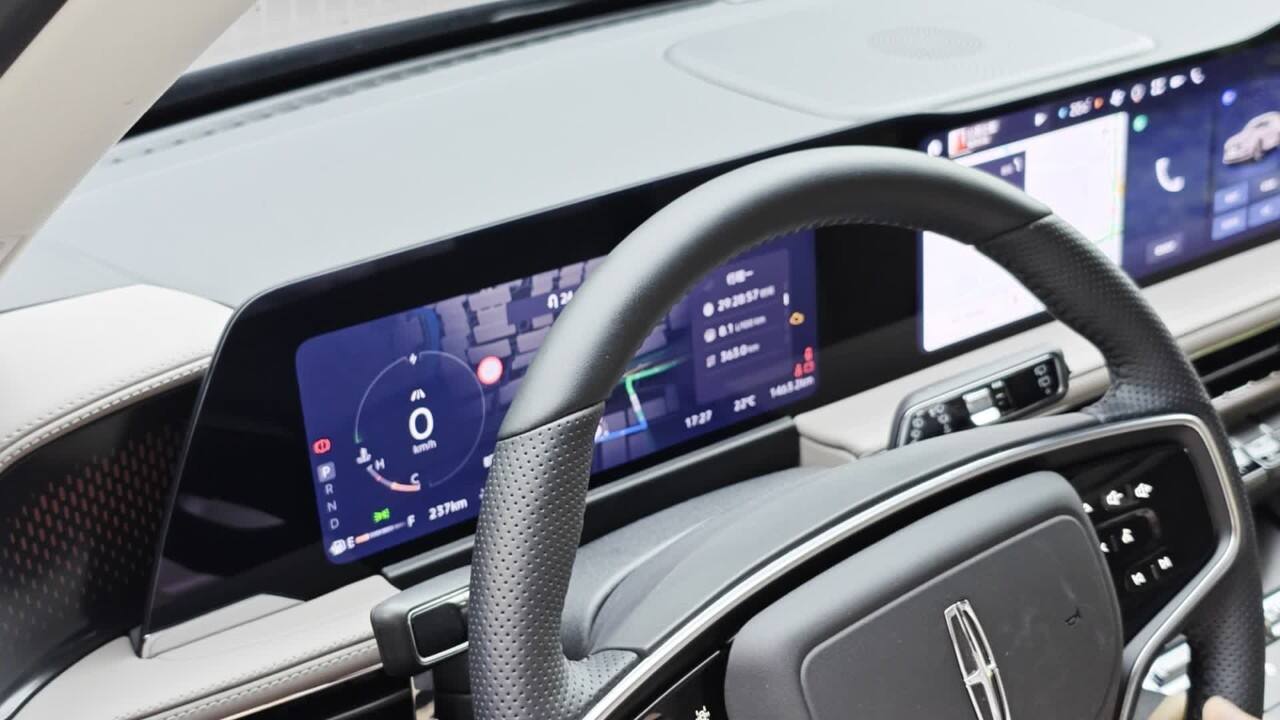
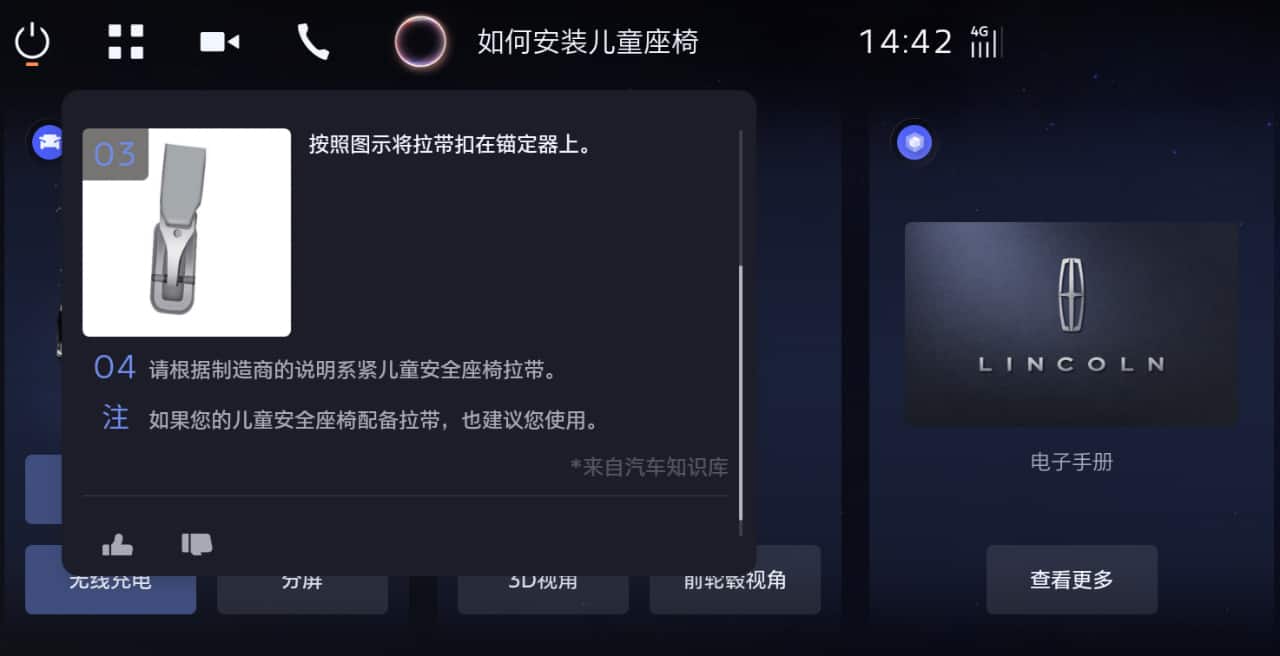
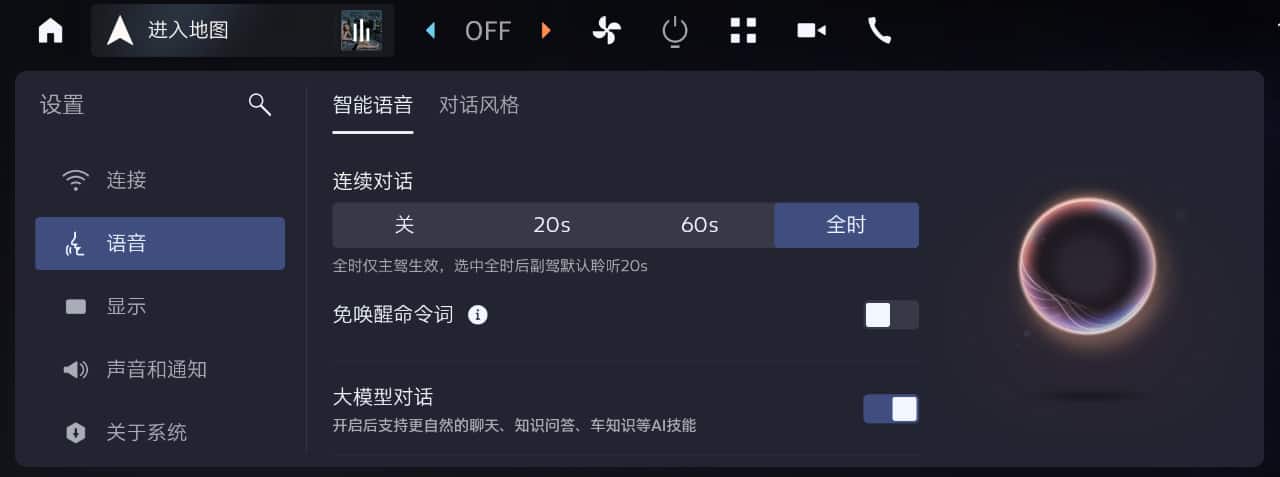
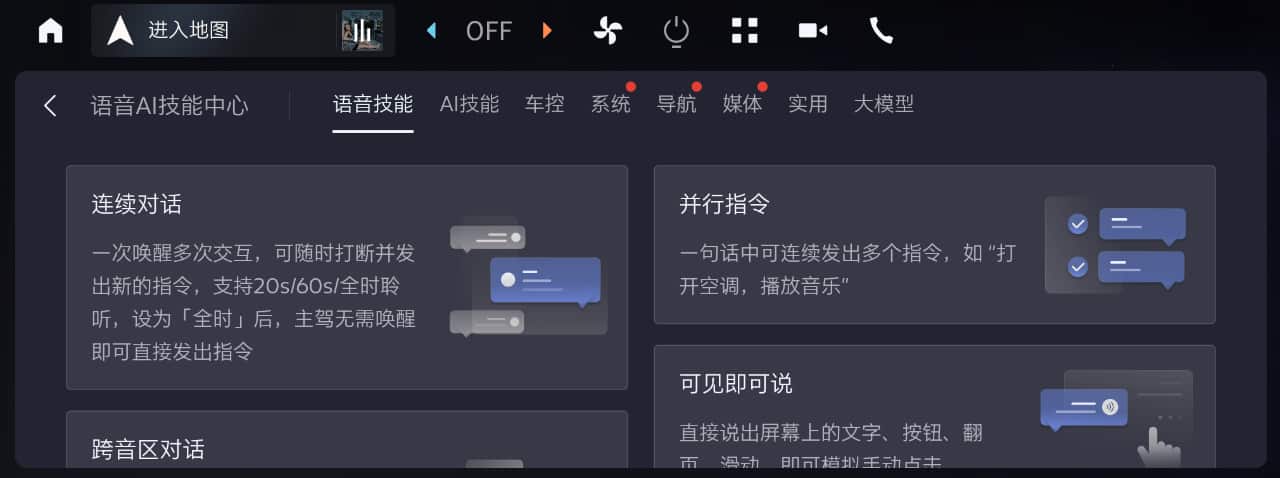
Powering this capability is the integration of a Large Language Model (LLM) into SYNC Max. The engineering team executed extensive vehicle-tailored optimizations, including short-term contextual memory, fuzzy semantic understanding, continuous multi-command processing, and wake-word-free interaction.
Yet, automotive AI and smartphone AI are fundamentally different products.
"Inside a car, the core need is speed," he noted. "When driving, nobody wants to listen to a 1,000-word essay as an answer."
Thus, SYNC Max avoids displaying complex step-by-step thinking processes, emphasizing instead lightning-fast response times and concise feedback. The engineering team specifically optimized voice response latency, aiming for a conversation that feels fluid and natural rather than "waiting on a machine."
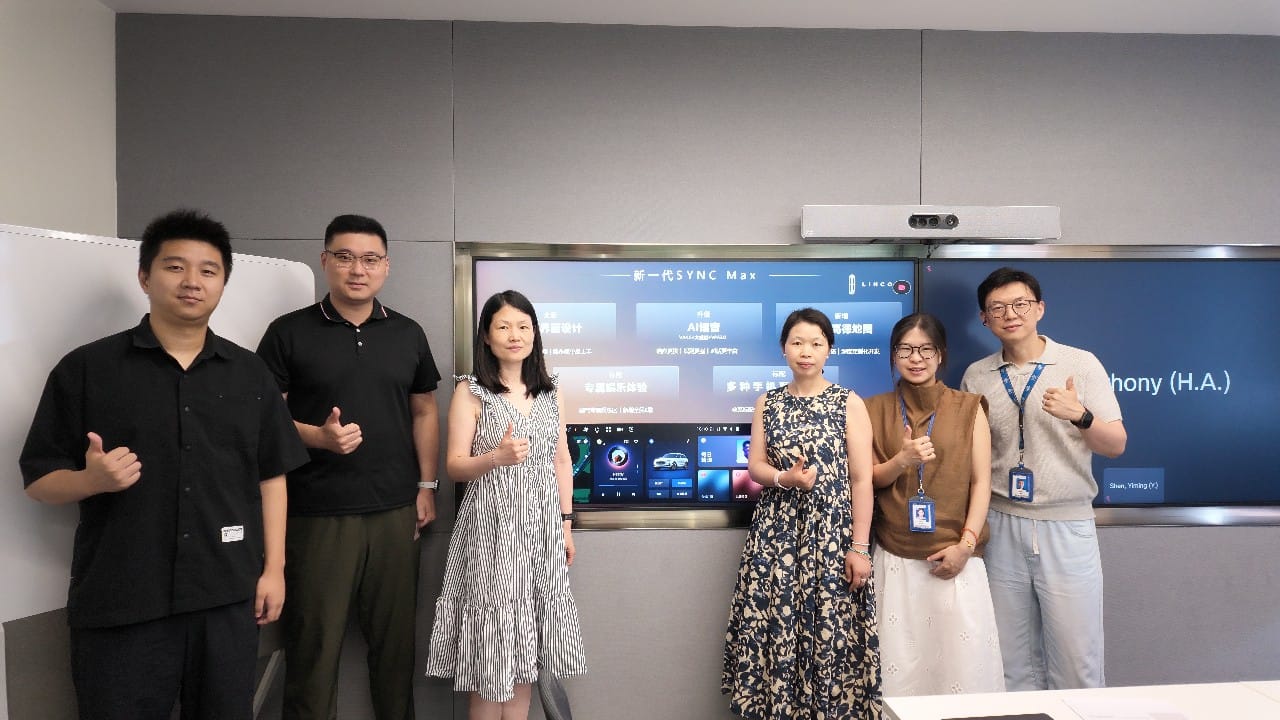
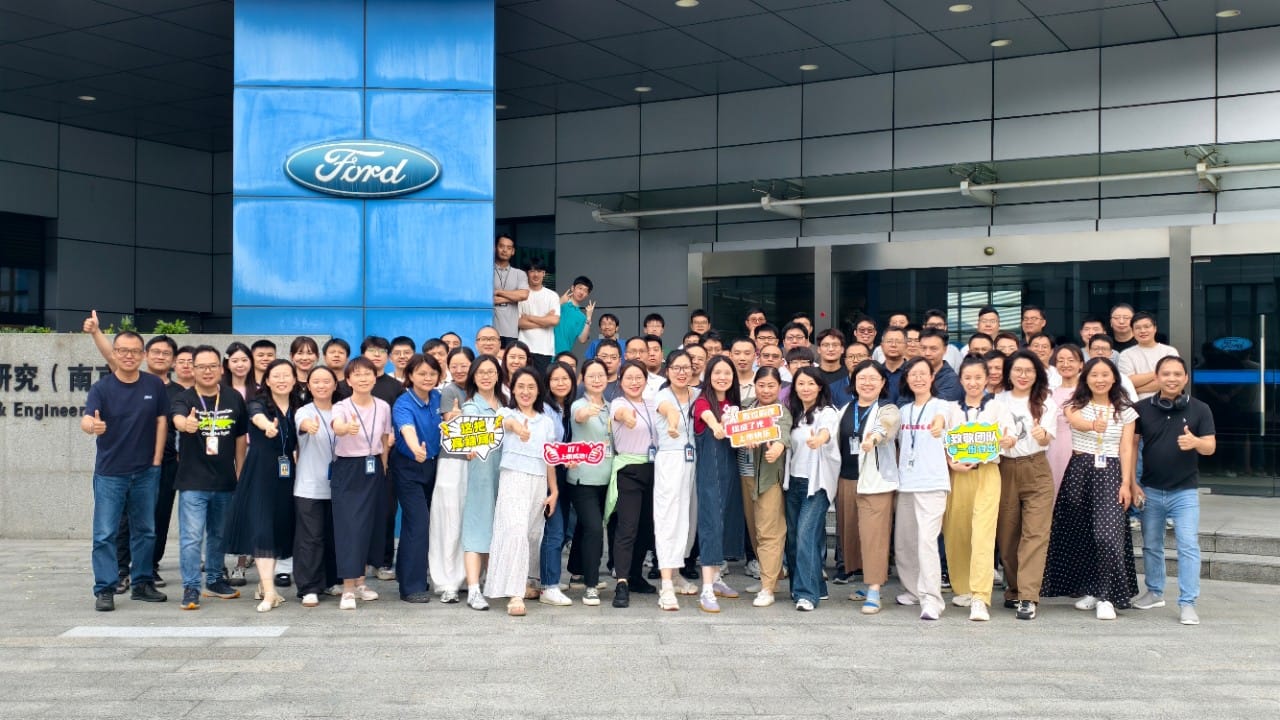
Listening to Esion's story, one can easily imagine the dedicated team behind this product—from user insights to product definition, from interaction design to engineering execution. It represents countless instances of challenging their own assumptions from the user's perspective, starting over, and spending late nights fine-tuning features to eliminate every single bug.
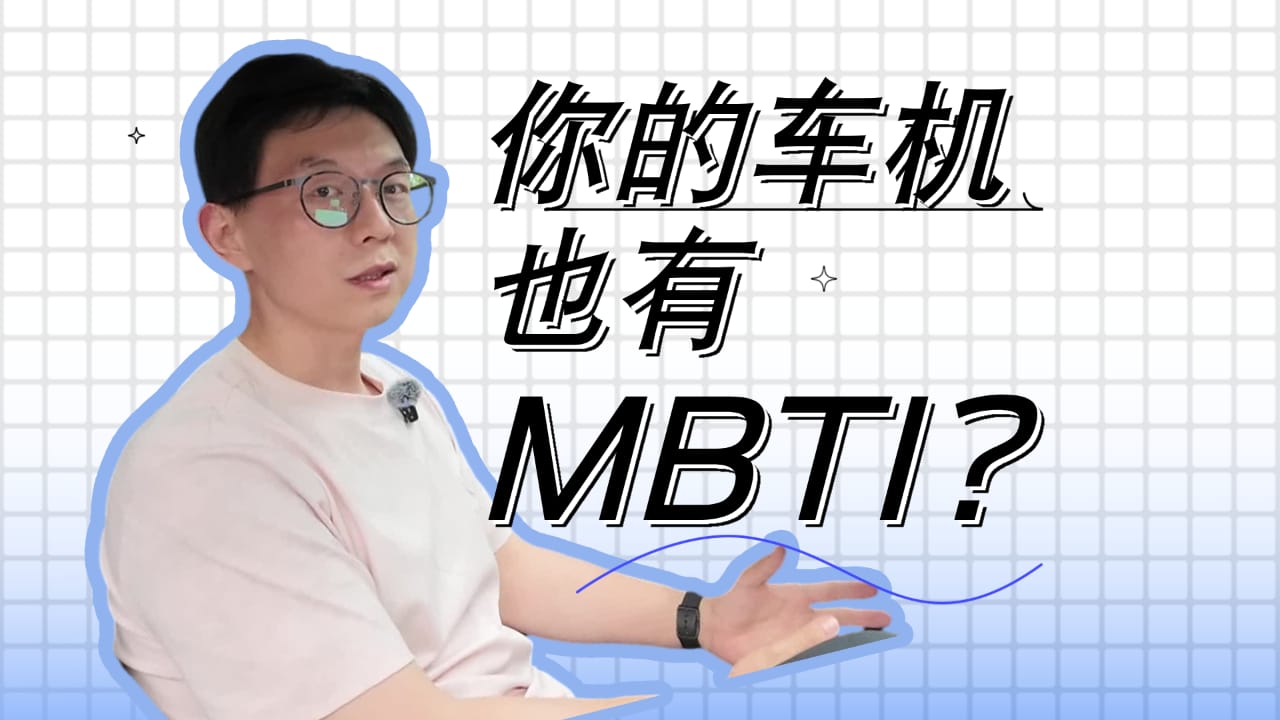
To make this sense of "naturalness" even more complete, the team even created a distinct personality for the Lincoln Voice Assistant. They completed an MBTI personality test for the virtual assistant—answering every question based on "what kind of person this brand should represent." They then auditioned thirty voice actors, voted on the top candidate, recorded emotional nuances, and trained a cloud-based model to give the voice assistant its unique, unmistakable vocal identity.
So, this brings us to the big question: What is the MBTI personality of this responsible, warm, and professional digital "butler"? Check out the video below to find out!


.jpg/_jcr_content/renditions/cq5dam.web.1280.1280.jpeg)