Search Enterprise or @FordOnline
Please remove special characters

22,000 Feet Above Sea Level, Ford Powers Unprecedented Marathon Attempt

Feb 05, 2026


For the past two years, I’ve been focused on attempting something that, on paper at least, makes very little sense: trying to run both the deepest and the highest marathons ever attempted. 

Not because I’m a particularly good runner — I’m not — but because my goal, and that of my company BecomingX, has always been to challenge perceptions of what is possible, and help people achieve extraordinary things. These challenges are about human limits, but just as importantly, they’re about the systems, support and equipment that make pushing those limits possible in the first place.
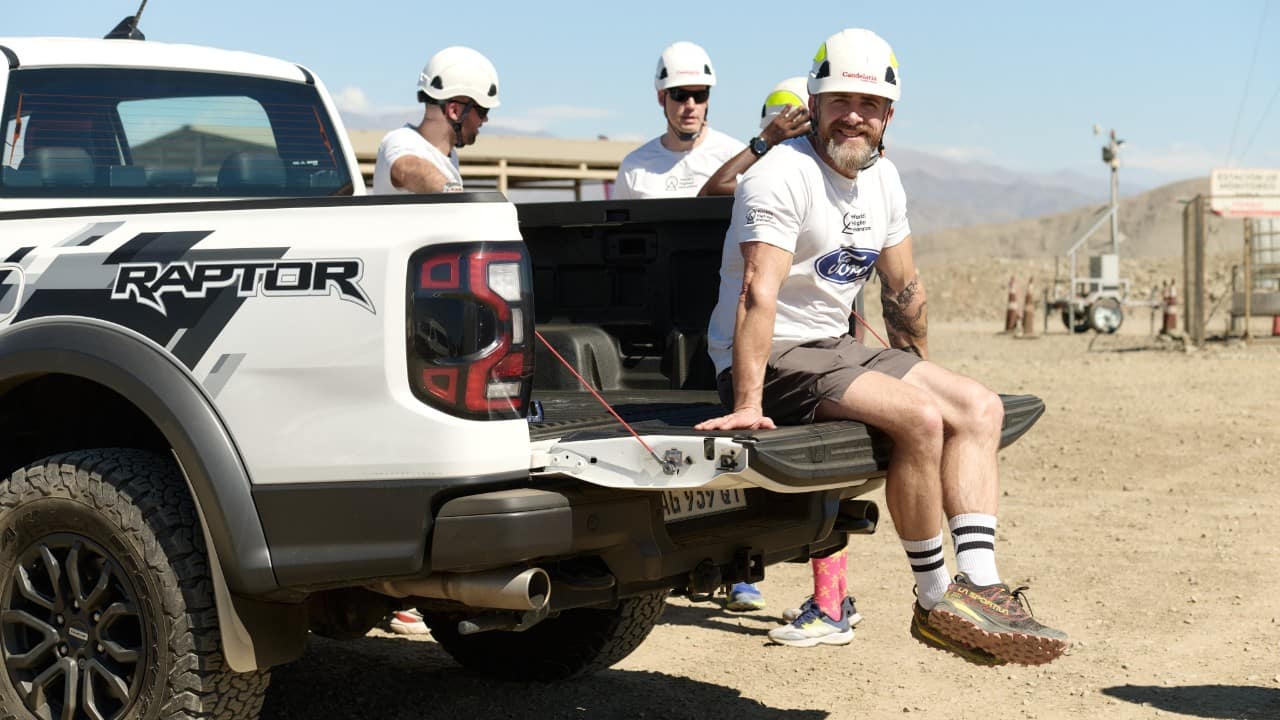
 

At the heart of both World Record attempts have been Ford Motor Company’s vehicles. 

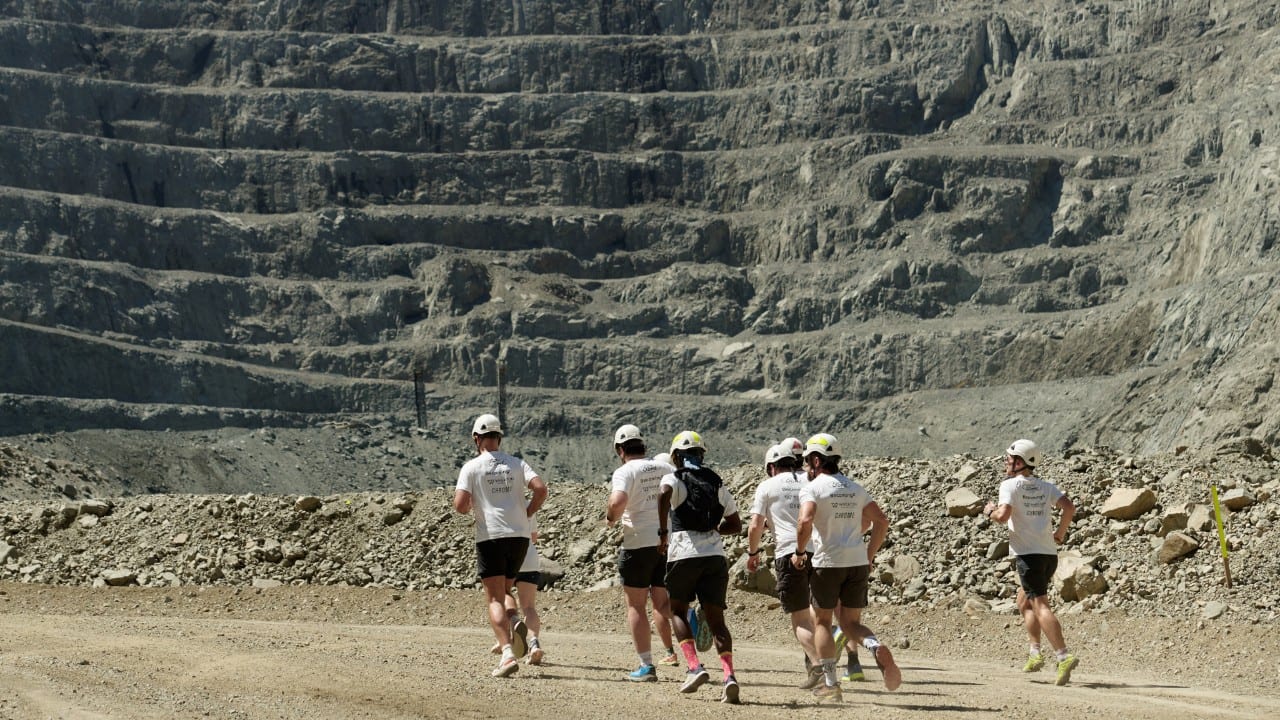
In October 2025, a small fleet of Ford F-150 trucks and Transit vans helped transport 55 runners more than 1,100 metres below sea level into a working mine in Sweden for the World’s Deepest Marathon

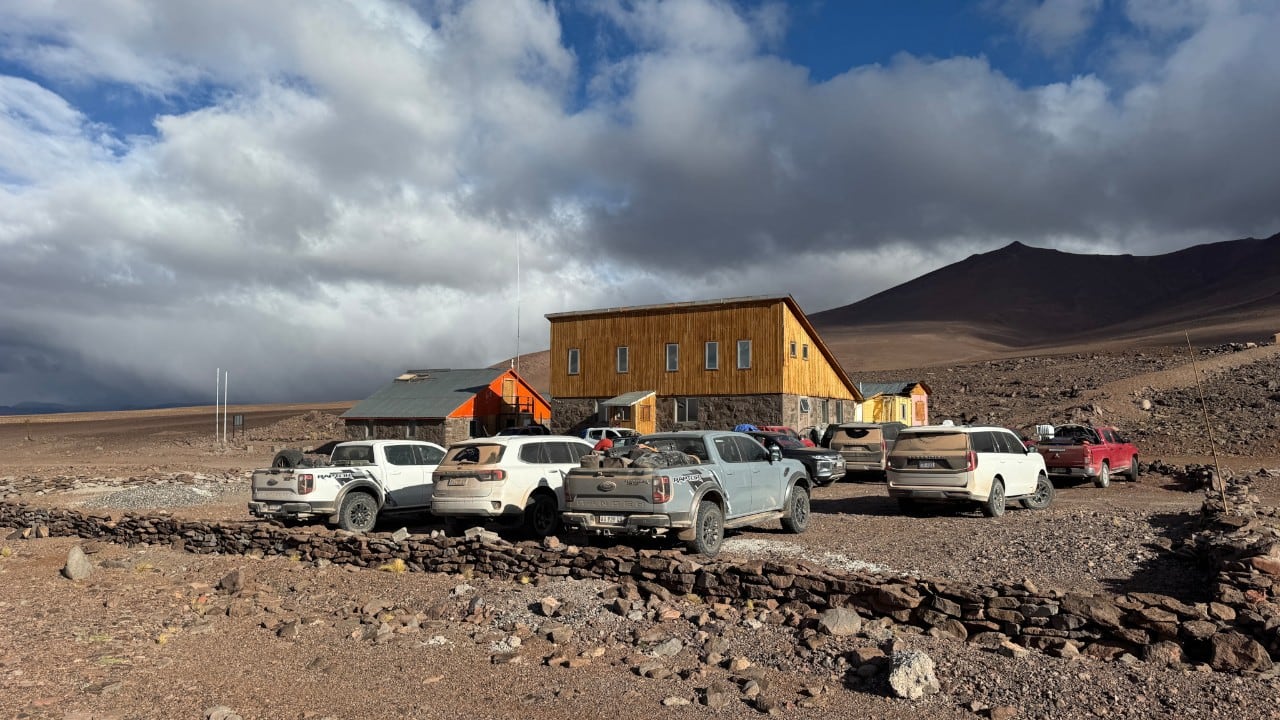
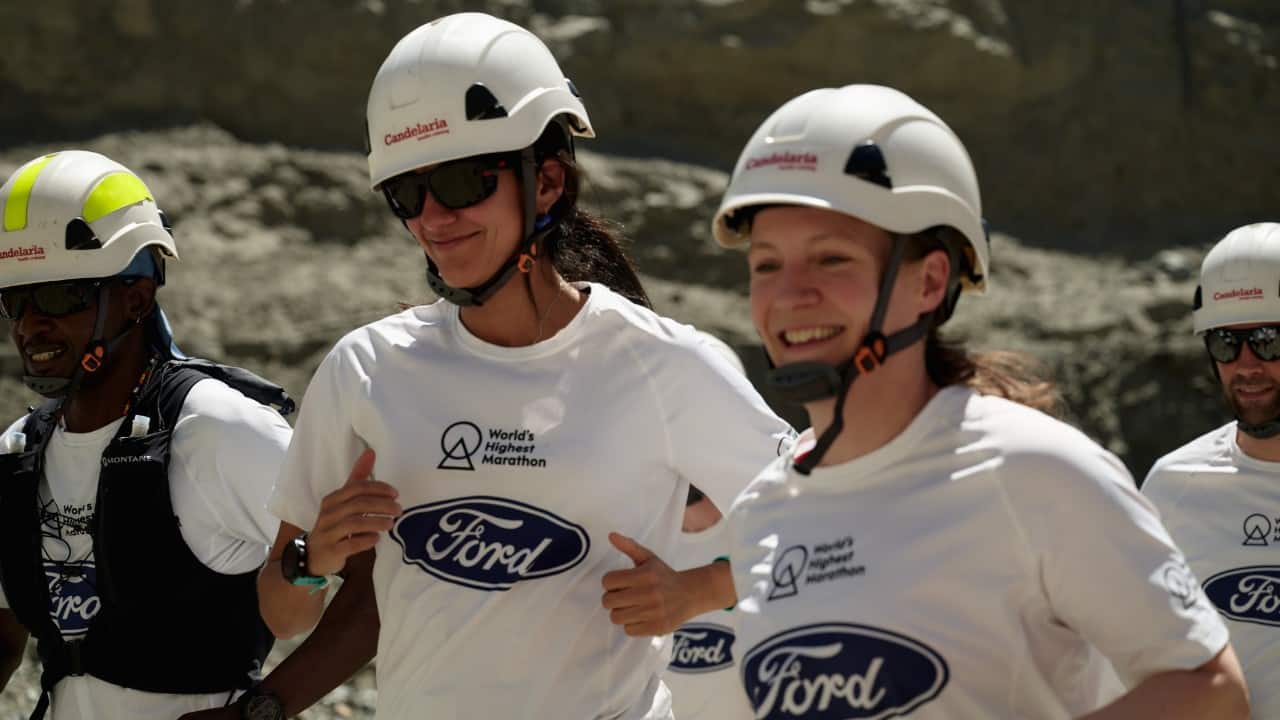
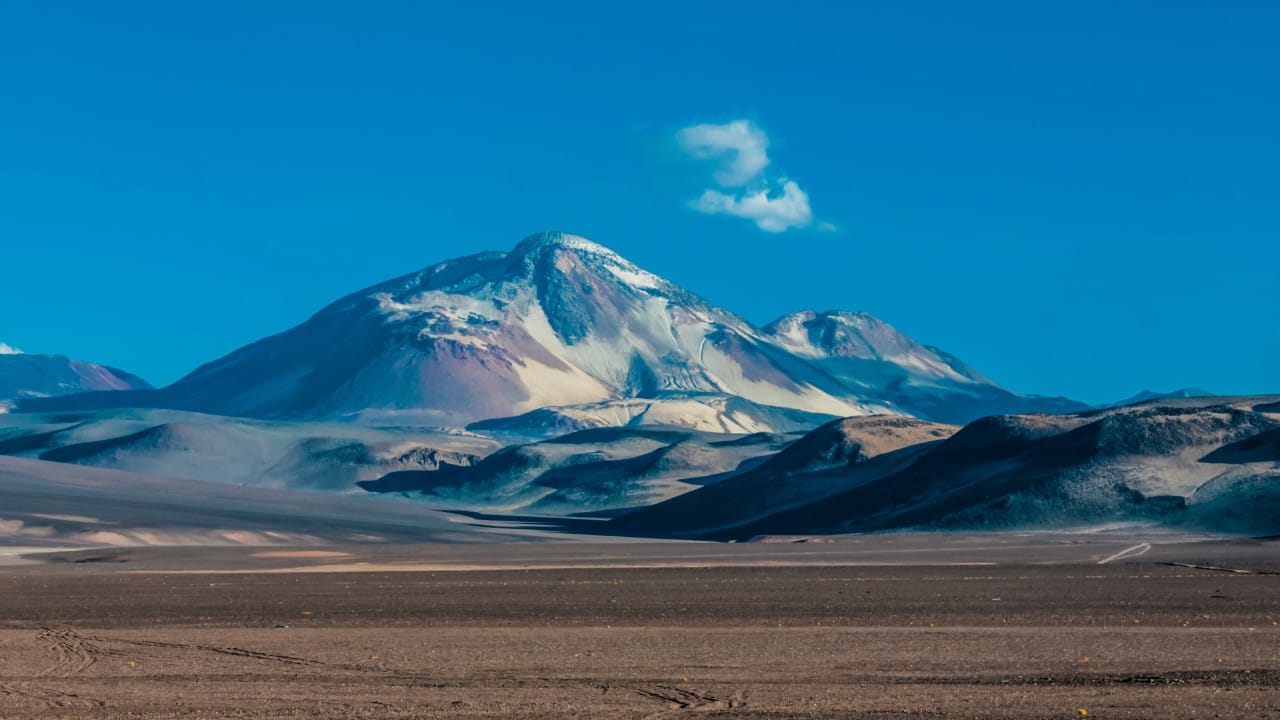
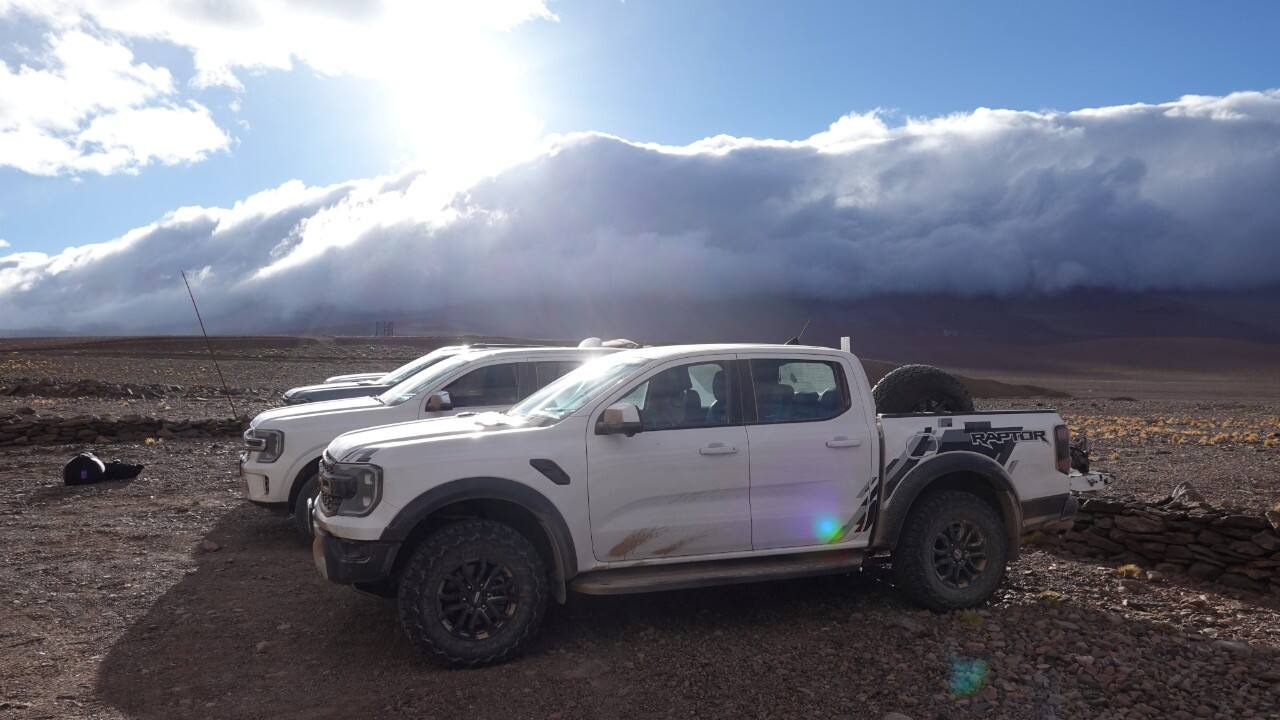
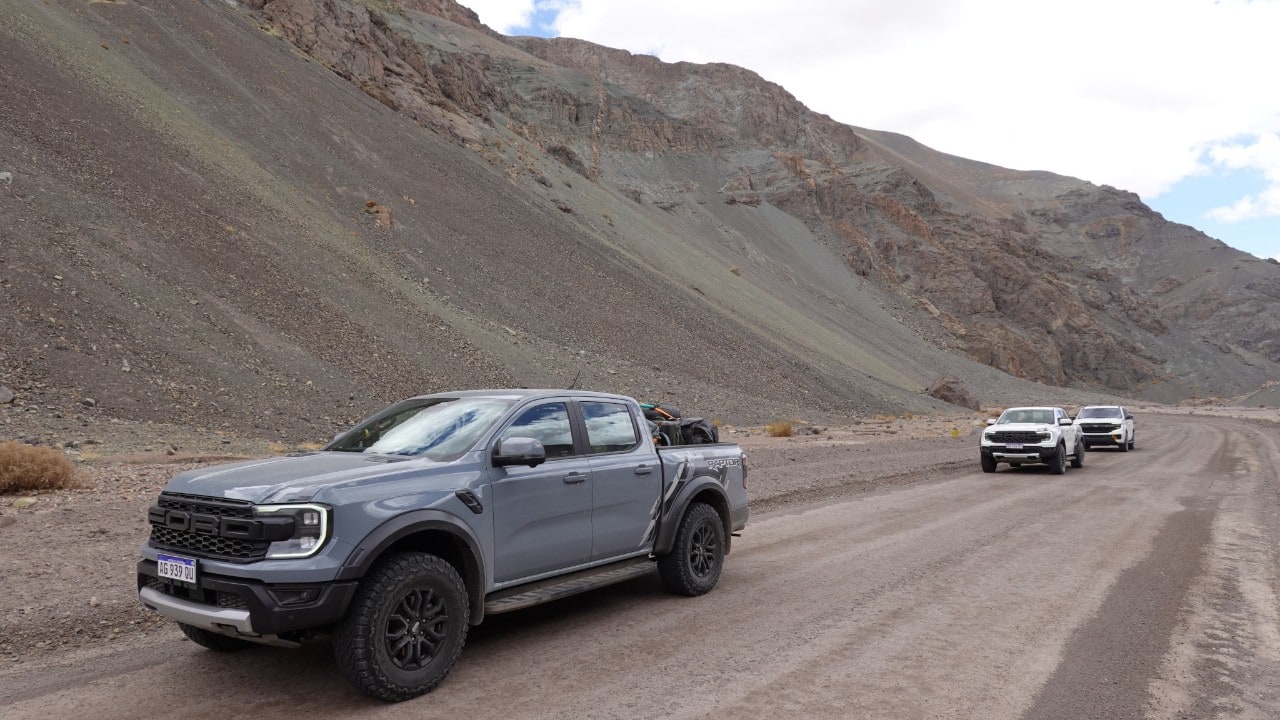
As I write this, I’m sitting in our lead convoy vehicle, a Ranger Raptor — ‘Raptor 1’ as we’ve named it — as five Ford trucks and SUVs (including an Expedition Tremor and Everest) carry 10 runners, six support crew and a film team high onto Ojos del Salado in Chile. It’s the highest volcano on Earth (6,893 meters or 22,614 feet), and it’s where we’ll attempt the World’s Highest Marathon. 

I’ve always had a fondness for Ford vehicles that’s hard to put neatly into words. They’ve quietly threaded their way through many of my most formative adventures.


Having lived in London for most of my adult life, I never really needed a car. I was 30 when I bought my first vehicle — a Ford Fiesta — which I then drove some 9,000 miles from London to Ulaanbaatar in Mongolia. 

I named him ‘Genghis Car.’ He was, quite simply, miraculous. We crossed Europe, pushed on through Central Asia, and eventually rattled our way off-road across much of Mongolia itself, a country with only a handful of paved roads at the time. Through deserts and up rocky mountain paths, he felt indestructible. 

When I finally donated the car to charity, it felt like giving away a member of the family. I kept one of the spare keys and the license plate. Fifteen years later, I still have them. 


After returning to London following a few years living in South Africa, I bought a two-litre Focus that became our family car, admittedly with more power than necessary, because why not? 

My fondness for Ford has only deepened here on Ojos del Salado. To escape the wind at altitude, I’ve taken refuge once again inside Raptor 1, the lead vehicle in a convoy that forms the backbone of our challenge. 

Around us is a deliberately mixed team: elite athletes, climbers, seasoned adventurers as well as several complete amateurs. We're all united by a single, life-defining objective: to reach the summit of Ojos del Salado, and from there, attempt to run a marathon at an altitude no one has ever tried before. 

There’s a reason for that. 


The current record, set in 2022, began on the summit of Kilimanjaro (5,895 meters or 19,340 feet) and finished thousands of metres lower. 

I’ve climbed Kilimanjaro five times now, most recently leading a team from Google in 2025. It’s a mountain that is relatively accessible, frequently climbed, and supported by robust infrastructure. Go higher anywhere else in the world and you are typically faced with deep snow, technical terrain, or extreme remoteness. 

Ojos del Salado presents a rare opportunity to run even higher, but only if the logistics, support and decision-making are absolutely right. 

The realities of this challenge are not for the faint-hearted. We are more than 200 miles from the nearest town and entirely self-sufficient, supporting a total expedition crew of 31 people. We have brought hundreds of litres of additional fuel and water, and packed all our gear across the convoy, which has taken us through some of the most extraordinary desert and canyon landscapes I’ve ever seen. It has brought us to base camp, where we will stage our attempt on the mountain.


Conditions on Ojos are brutal and unforgiving. Temperatures regularly drop below -14°C (7°F) on the summit (and that’s before the windchill from the 60-mile-per-hour winds that can blast the mountain). 

Oxygen levels at the summit are just 44% of those at sea level, and the extreme dryness amplifies the physical toll of each day. The thought of running a marathon seems quite ridiculous, but, in theory at least, it’s possible. 

This is where the vehicles matter. It’s possible to drive to nearly 19,000 feet on Ojos del Salado, but only in vehicles that can cope with the volcanic sand, loose gravel, brutal cold and relentless wind.


For this expedition, we needed vehicles we could really rely on as the backbone of the challenge. Vehicles capable of moving people and equipment confidently, powering communications, providing shelter, and offering a margin of comfort during a 16-day operation in one of the harshest environments on the planet. 

In very real terms, these trucks represent our lifeline. We laugh as a team that we face gale-force winds and sub-zero temperatures, only to return to the Ranger Raptor trucks with heated front seats and 90s tracks playing through the Bang & Olufsen sound system. 

Nothing on this expedition is guaranteed. Nothing at all. But if there is one constant I trust in this environment, one thing I’m confident will do exactly what it’s asked to do, it’s the Ford trucks and SUVs that brought us here. 

FTR Registration

Paul Gurney is the founder and CEO of BecomingX.