Search Enterprise or @FordOnline
Please remove special characters

My Name Is Sal Gusmano and I Break Ford Vehicles for a Living

Jan 20, 2026

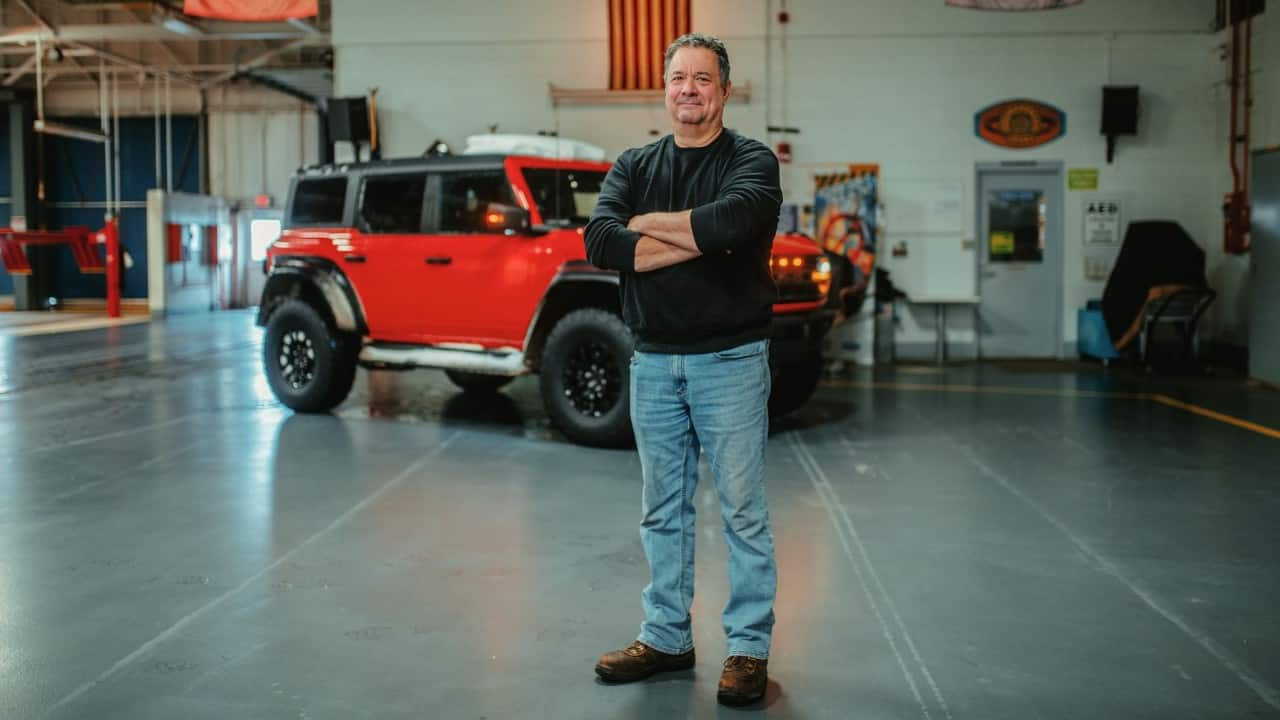
As a kid, I used to ride past Michigan Proving Grounds (MPG) and ask my parents what goes on behind the fences. Today, as a third-generation Ford employee, I’ve been on the other side for 34 years. I’m a specially trained and certified Tier 4 driver — one of 25 in the world.
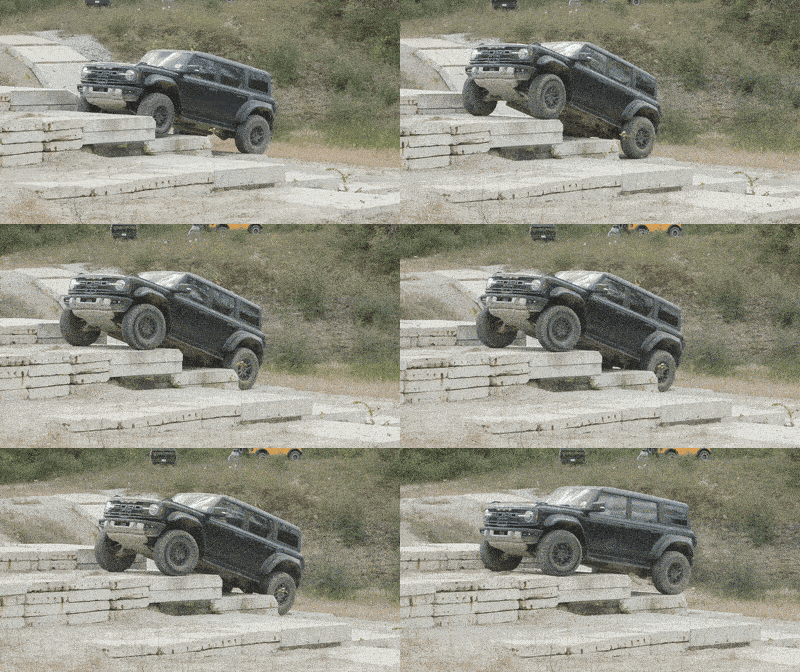
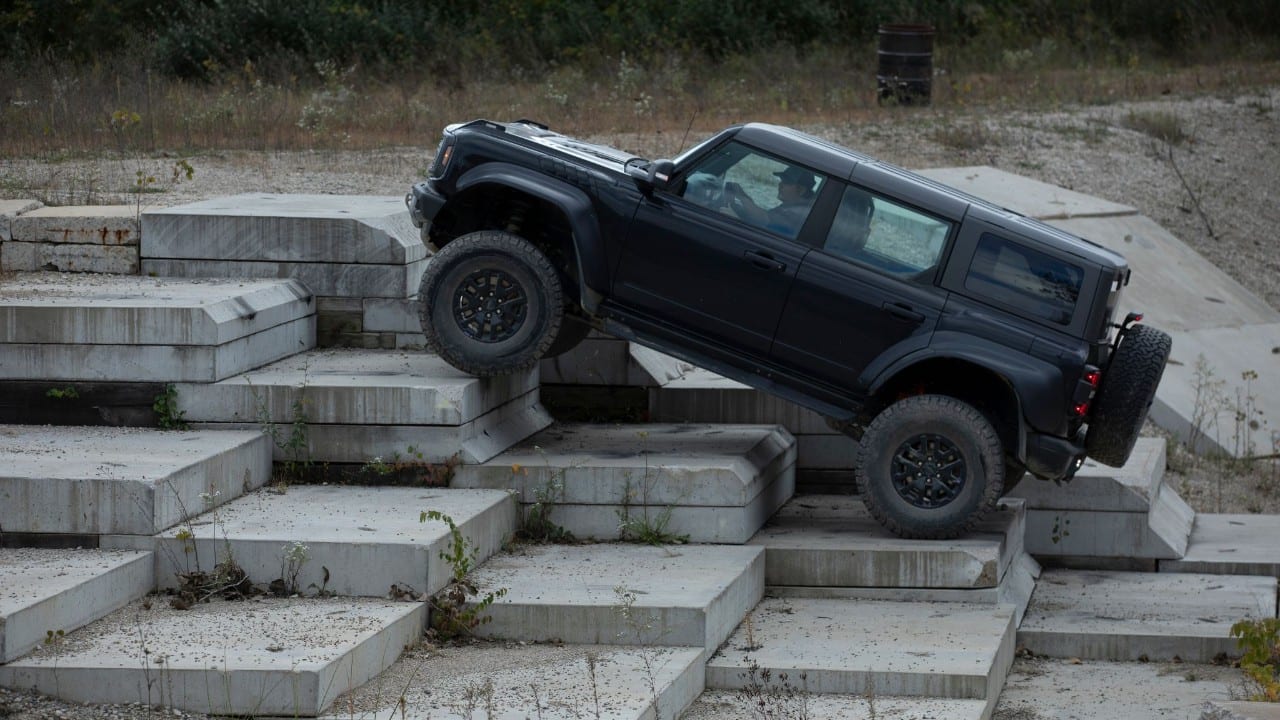
 

At MPG, it’s my job to evaluate vehicle safety, durability, and performance by pushing the vehicles to, and even past, their limits. Ford hires professional drivers like me to test, prove out, and even abuse our products in a controlled environment before they ever go on sale.

But let’s be clear -- I’m not trying to demonstrate what a vehicle can or can’t do or how it should be driven outside of this controlled test environment. Off the job, I drive safely: I follow the traffic laws, I stay within my skill level, and I always refer to the Owner’s Manual for the right way to operate the vehicle. As they say on television, don’t try this at home.

Our job at Michigan Proving Grounds is to evaluate vehicle safety, durability, capability and performance by increasing wear and tear on the vehicles.

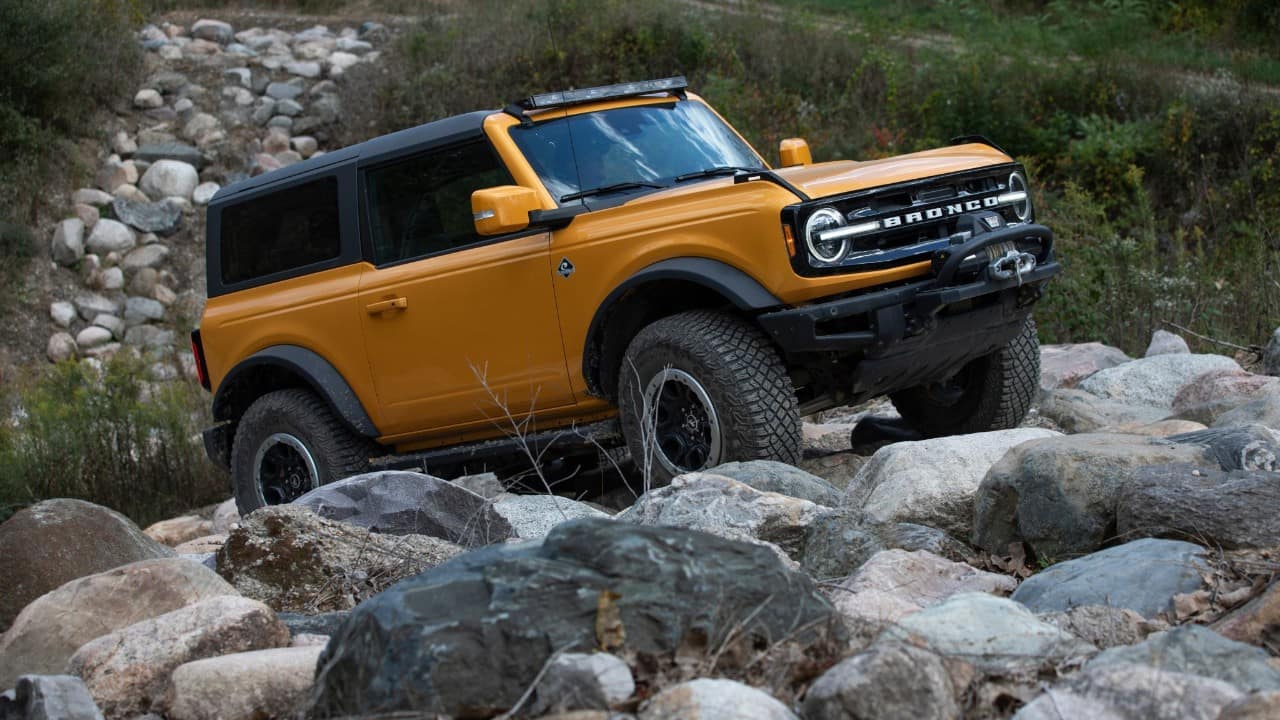
These proving grounds are among the largest in the U.S. and home to the highest point in Michigan’s Macomb County at 1,150 feet. MPG’s Trombly Mountain has a steeper grade than San Francisco’s famed Lombard Street, and at a 29% grade, it allows us to test vehicles’ climbing ability. MPG contains more than 100 miles of roads, including a high-speed track, rough roads, durability tracks, steep grades, and a vehicle dynamics area, in addition to an assortment of support structures and buildings.

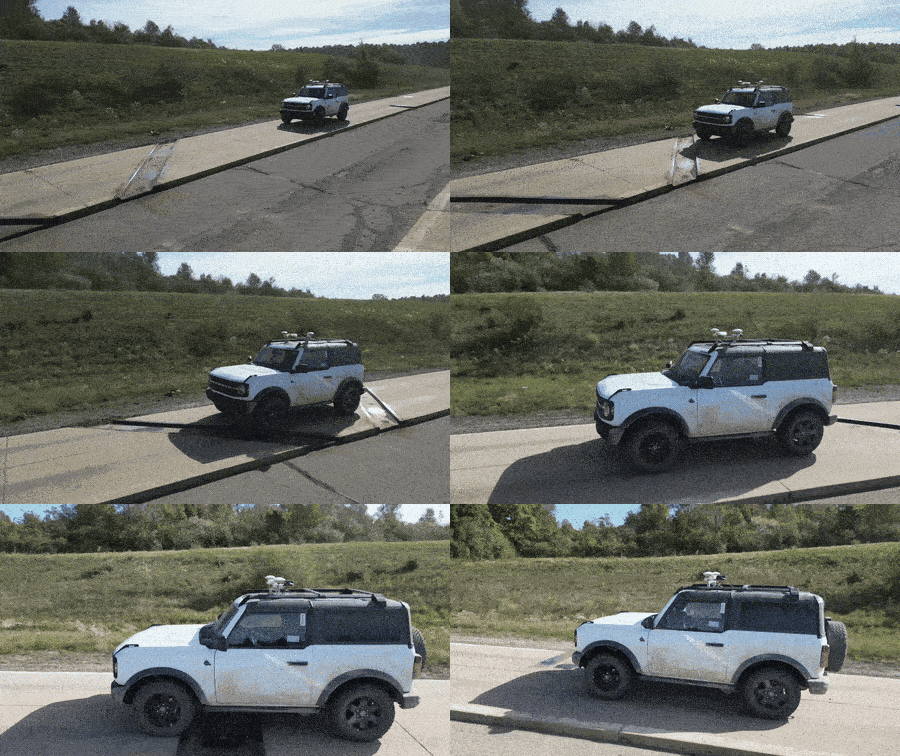
For example, there are a lot of F-Series Super Duty trucks used for snow removal. The last thing you’d want is for the airbags to go off when a snowplow hits a curb, a common occurrence when clearing snow. So, we test for that.


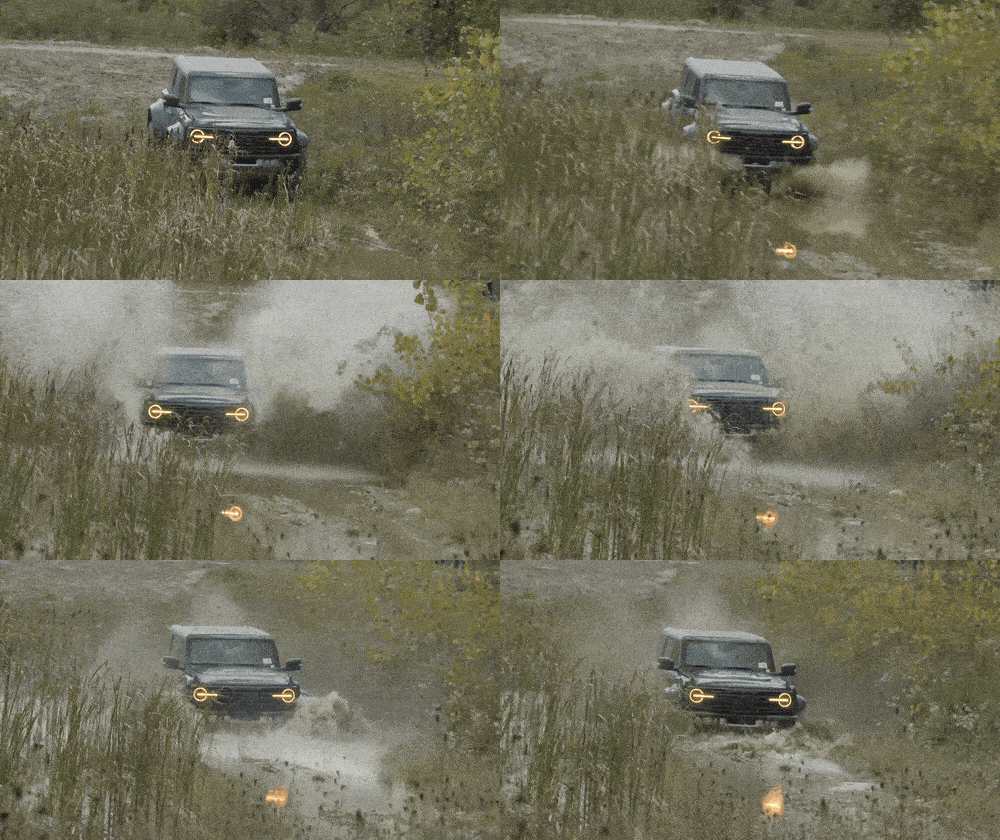
These airbag sensor tests are no joke — we’re trying to simulate crashes without actually being in one! Once, I took an Explorer prototype on an off-road course where I hit deep ruts filled with water at full speed. The impact of the water was so intense that the force blew all the body plugs out of the bulkhead, the divider that separates a vehicle’s cabin area from the engine compartment. My face was covered in mud, and I had to lift the shield on my helmet so I could see where I was going.

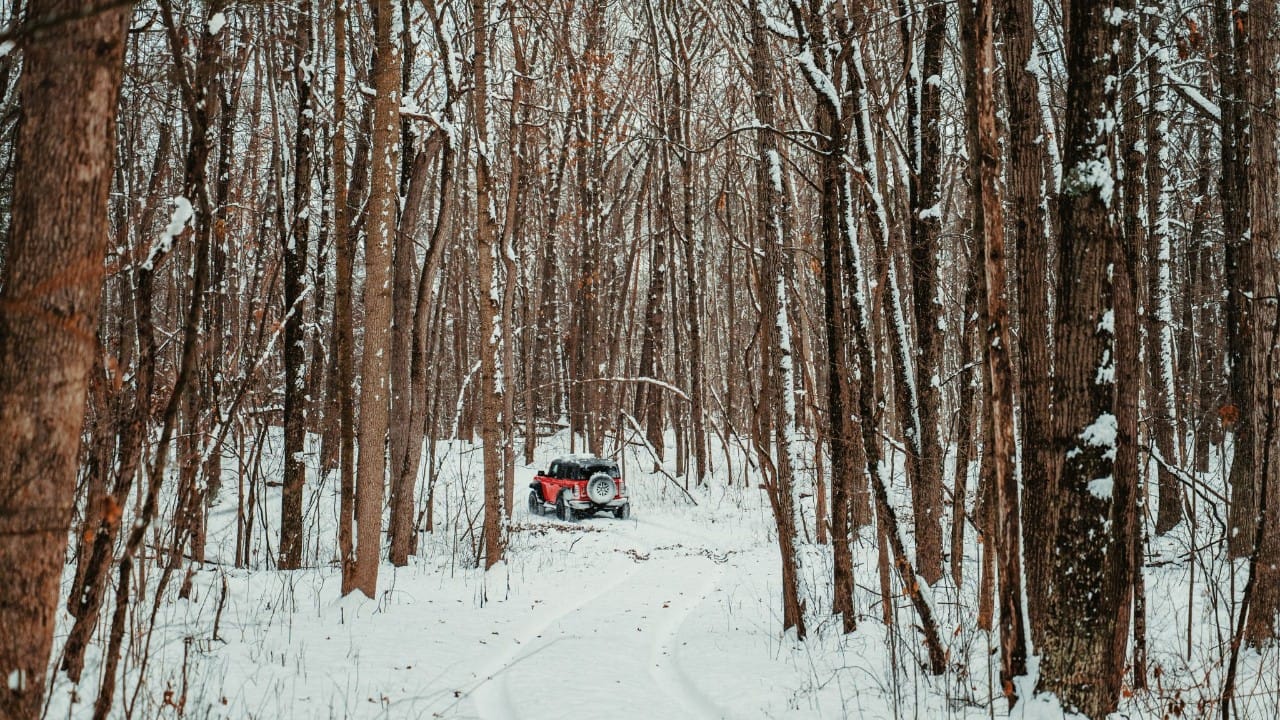
Those wooded courses aren’t just for off-road vehicles, either. I once took a Mustang through an area we call grassy moguls. The mechanics who followed me in for backup were actually the ones that had to be pulled out of the deep, muddy ruts.


Another good example of sensor abuse testing is the “bowl jump,” where I drive up and over embankments several times, increasing my speed by 5 mph each time. This helps us improve our vehicle safety systems by differentiating between minor collisions and more severe impacts.

I’ve been a unit supervisor since 2008, and a big part of my role is ensuring track safety at our facility, as well as evaluating new tests to help create even more dynamic and unique situations for us to observe our vehicles. My priority is that these tests are conducted safely, and that the data we’re recording is accurate and reliable for our Ford engineers.

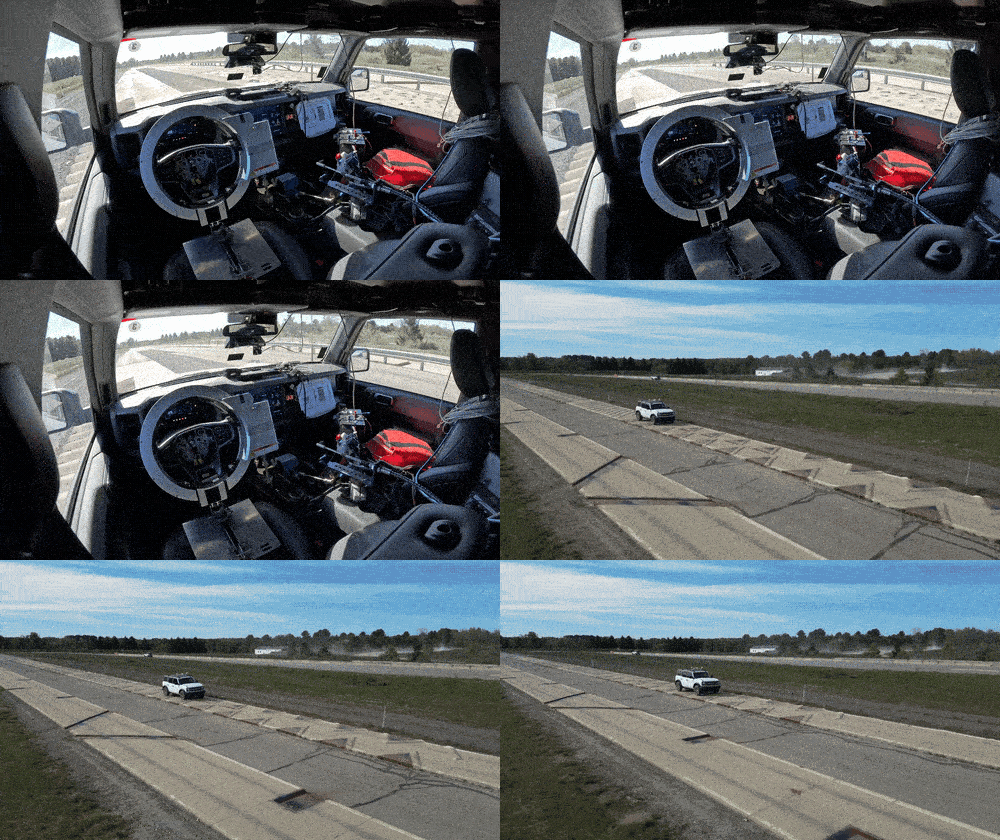
To make our trucks Built Ford Tough, we created concrete-surfaced tracks with bumps, chuckholes, and broken concrete pieces, permanently set in concrete. This testing is too brutal for humans so now it is all done autonomously, allowing us to accelerate customer usage in a condensed timeframe.
Sal Gusmano
Unit Supervisor for Vehicle Evaluation and Verification, Michigan Proving Grounds

We’re constantly developing new courses and elements to test products, like what we did for the Mustang Mach-E Rally. We worked with the program’s engineers to create a real-world rallycross course to simulate 10 years of wear and tear over 500 miles of full-send driving to test whether the product was progressing according to our expectations.

Sometimes we’re even called on to develop a one-off testing environment to replicate what we call a “job stopper” — an issue that we need to help our Ford teams solve ASAP.

That’s what our job is here, working to make a better product, and it’s all hands-on deck when there’s a problem that needs to be resolved.
Sal Gusmano
Unit Supervisor for Vehicle Evaluation and Verification, Michigan Proving Grounds

It’s an exciting job, and it is incredibly rewarding knowing that what we do here at MPG helps make sure our customers have a vehicle that’s ready for anything.


Sal Gusmano is a Unit Supervisor for Vehicle Evaluation and Verification at Michigan Proving Grounds. The extreme vehicle testing described in this article is performed by trained professionals in controlled environments for product development and safety. This content is not intended to encourage or endorse driving beyond the limits outlined in your vehicle's owner's manual or local traffic laws.