


点击链接阅读中文版:《20年过去了,和初代GT们聊了聊 (上)》
Search Enterprise or @FordOnline
Popular Terms & Topics:
Popular Tools & Resources:
20 Years Later: Catching Up with the First Generation of Graduate Trainees (Part I)
Jan 19, 2026
Separated by two decades, these photos capture the personal growth of two individuals while bearing witness to a Ford "Blue Blood" initiative that has endured for twenty years.
In 2005, Ford launched its Graduate Trainee (GT) program in China, recruiting young blood straight from university campuses. Twenty years have quietly passed, and the "new breed" who stepped out of school and into Ford back then have now grown into the backbone of the company.
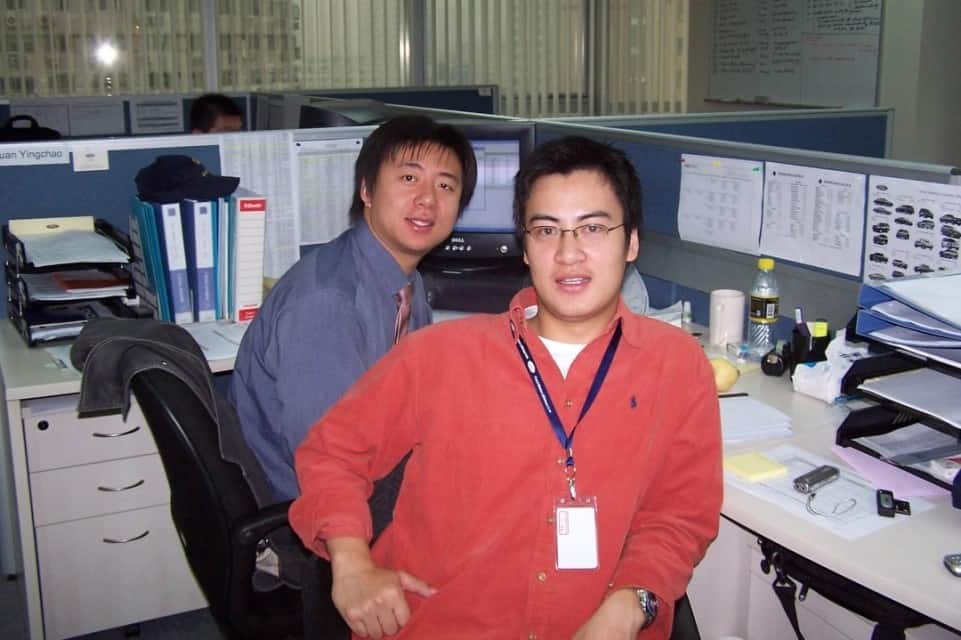
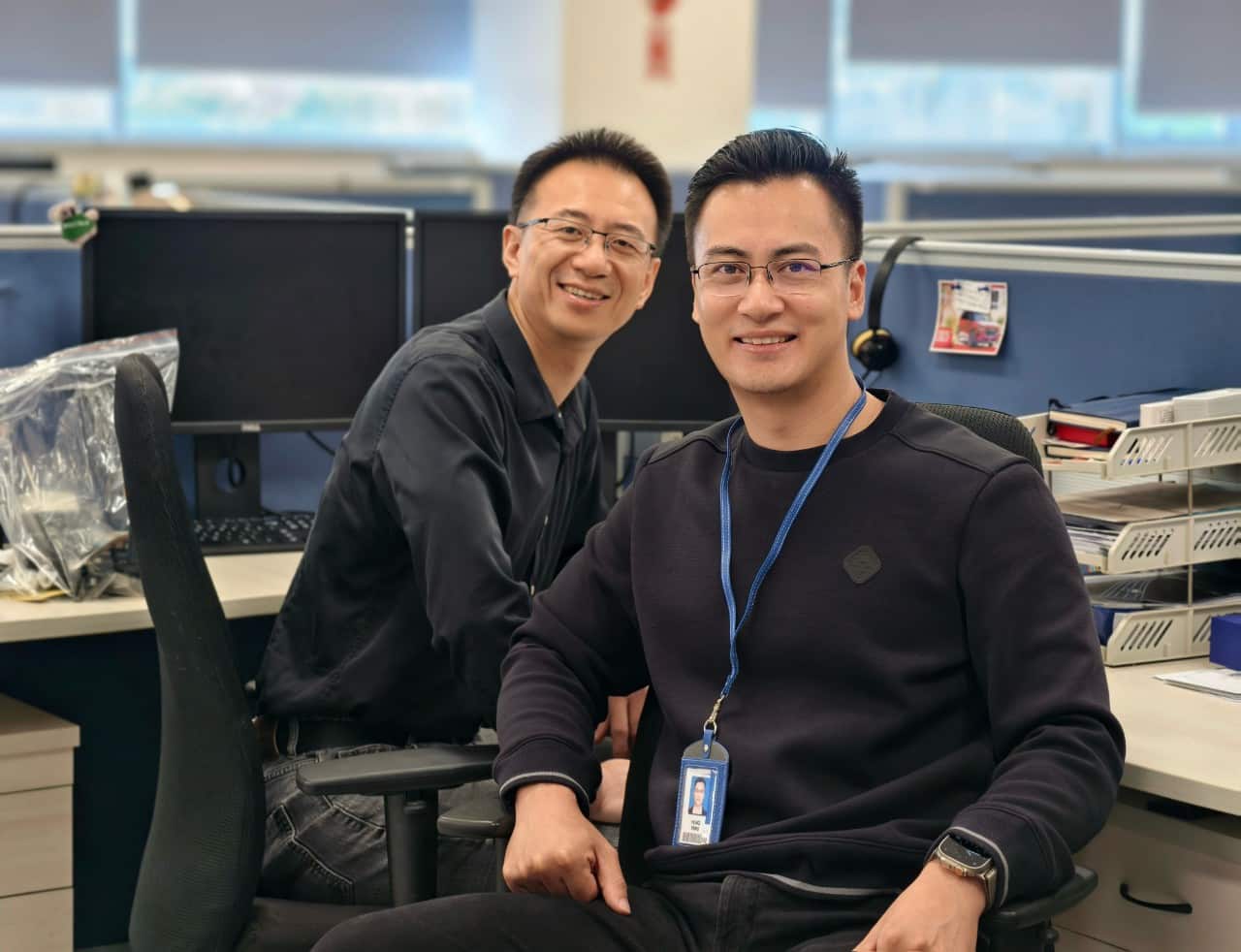
Then vs. Now: Lanny (L) and Bruce (R) in 2005 and 2025
Today, the greenness of their early career days has faded. Over the years, their values and ways of thinking have inextricably merged with Ford’s culture.
2005: Becoming a "Little Blue."
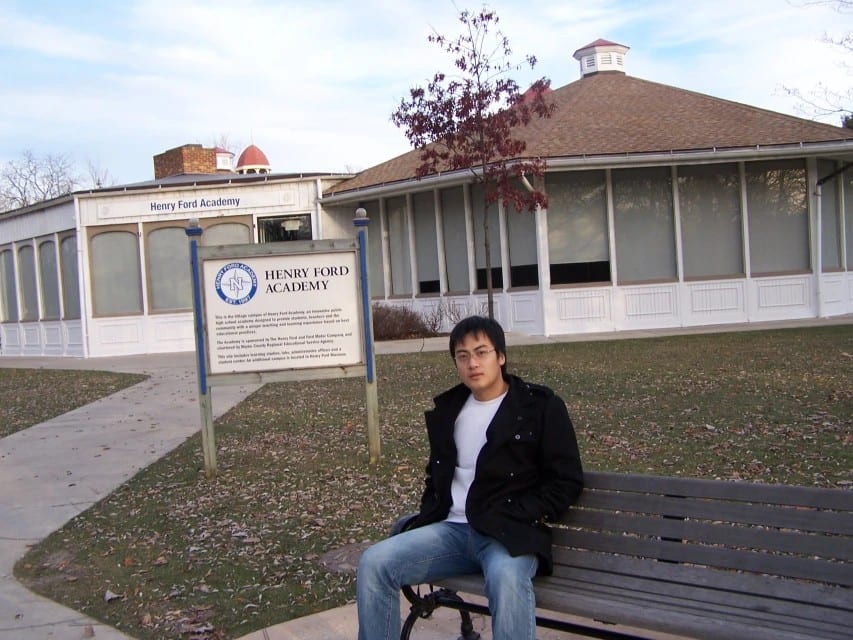
Bruce Yang on a business trip to the U.S. in 2006
For many graduates in 2005, joining a foreign automotive company was a choice full of opportunity, even though Ford was not the earliest mover in the Chinese market. What often drove their final decision was the human details—like a sincere conversation during an interview.
Bruce Yang had already received an admission letter for graduate school abroad. However, influenced by the job-hunting wave among his classmates, he decided to submit his resume from overseas.
On the day of the interview, he arrived early at the Sheraton Kingsley Hotel in Nanjing...
In the lobby restroom, he hurriedly changed out of his shorts and sneakers into a suit and tie prepared specifically for this moment—the first time he had ever worn formal business attire.
The interviewer was open and sincere throughout the process. He didn't just listen to Bruce's ideas; he acted like a friend, proactively analyzing potential career paths with him. It was this relaxed and respectful atmosphere that won Bruce over. He decided to give up his study abroad plans to stay and "work with these people."
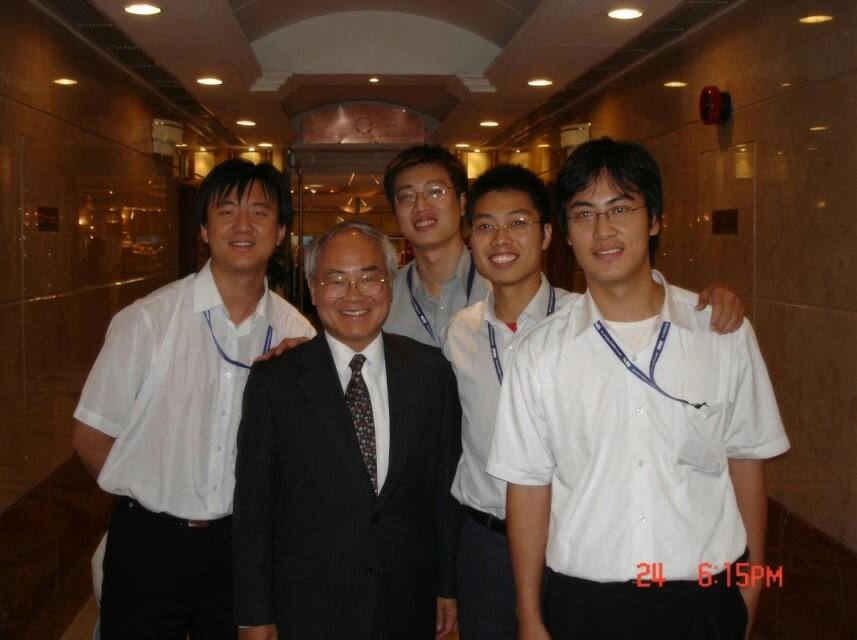
GTs from the Class of 2005 with then-Ford China CEO Mei-Wei Cheng (Center). Lanny (Left 1), Bruce (Right 1)
Lanny Guan was already interning at Volvo Cars while completing his graduate project in Sweden (back when Volvo was still a Ford subsidiary). "Looking back, my boss at the time was likely working on the GPDS process system," he recalls.
The working environment there was incredibly human-centric—there were showers and rest areas right next to the office. He immediately felt that this was a great company.
With this experience and a recommendation from his boss, Lanny accidentally found his way into the Ford Group talent pool.
"When I first joined, I briefly had two CDSIDs—one from my previous internship and one after arriving at REC (Research & Engineering Center)."
That same year, Victor Chen joined Ford as the first PhD GT recruited in China. He felt a similar vibe during his interview. As someone who had served as a university counselor, Victor deeply appreciated the friendliness and equality shown by the interviewers.
He felt respected and was eager to accept guidance and mentorship in such a professional environment.
.jpg/_jcr_content/renditions/cq5dam.web.1280.1280.jpeg)
.jpg/_jcr_content/renditions/cq5dam.web.1280.1280.jpeg)
Victor Chen, newly hired in 2005
Jackie Ji, who graduated from Tongji University with a degree in Automotive Engineering that same year, chose Ford with a bit of a "rebellious streak."
At the time, most of her classmates were flocking to other major car companies. There weren't many alumni or acquaintances at Ford. Stepping outside the mainstream choice actually made it feel more interesting to her.
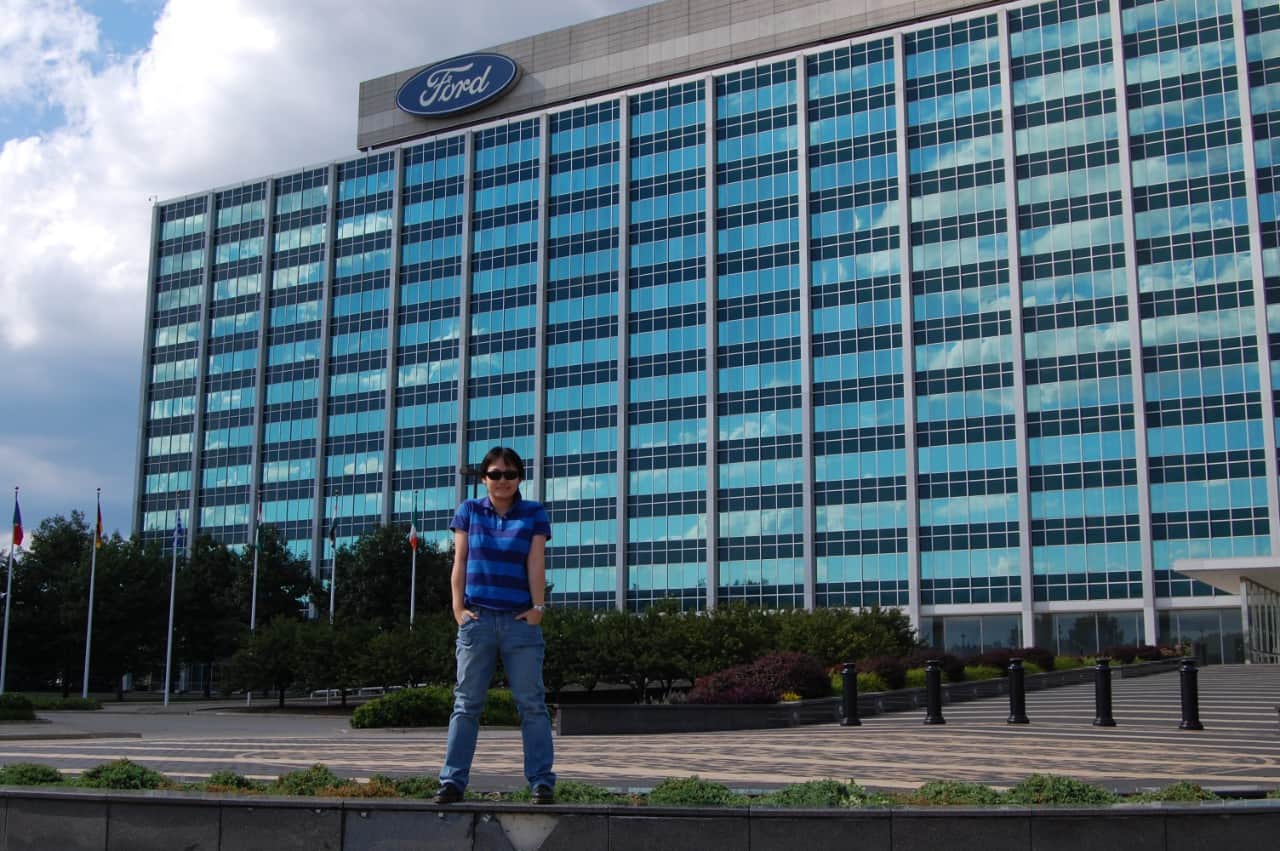
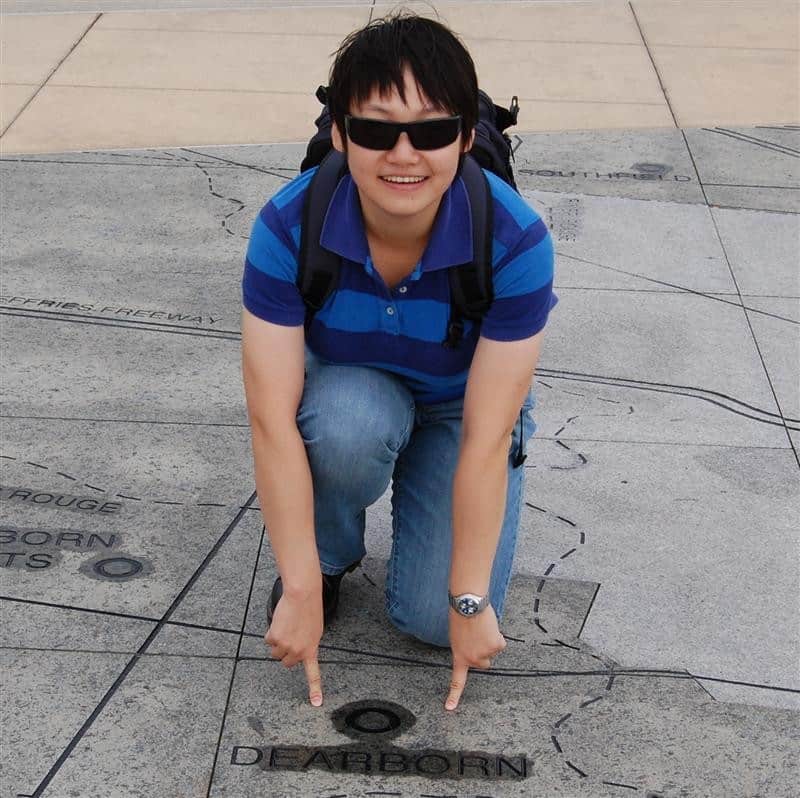
Jackie in front of Ford HQ, Summer 2011
More importantly, the role Ford offered her was "Product Planning." While her peers were mostly choosing the path of manufacturing experts, Jackie didn't want to just build cars; she wanted to be involved in defining the vehicle products that would become blockbusters in the Chinese market.
The "Little GTs" in the Rookie Village
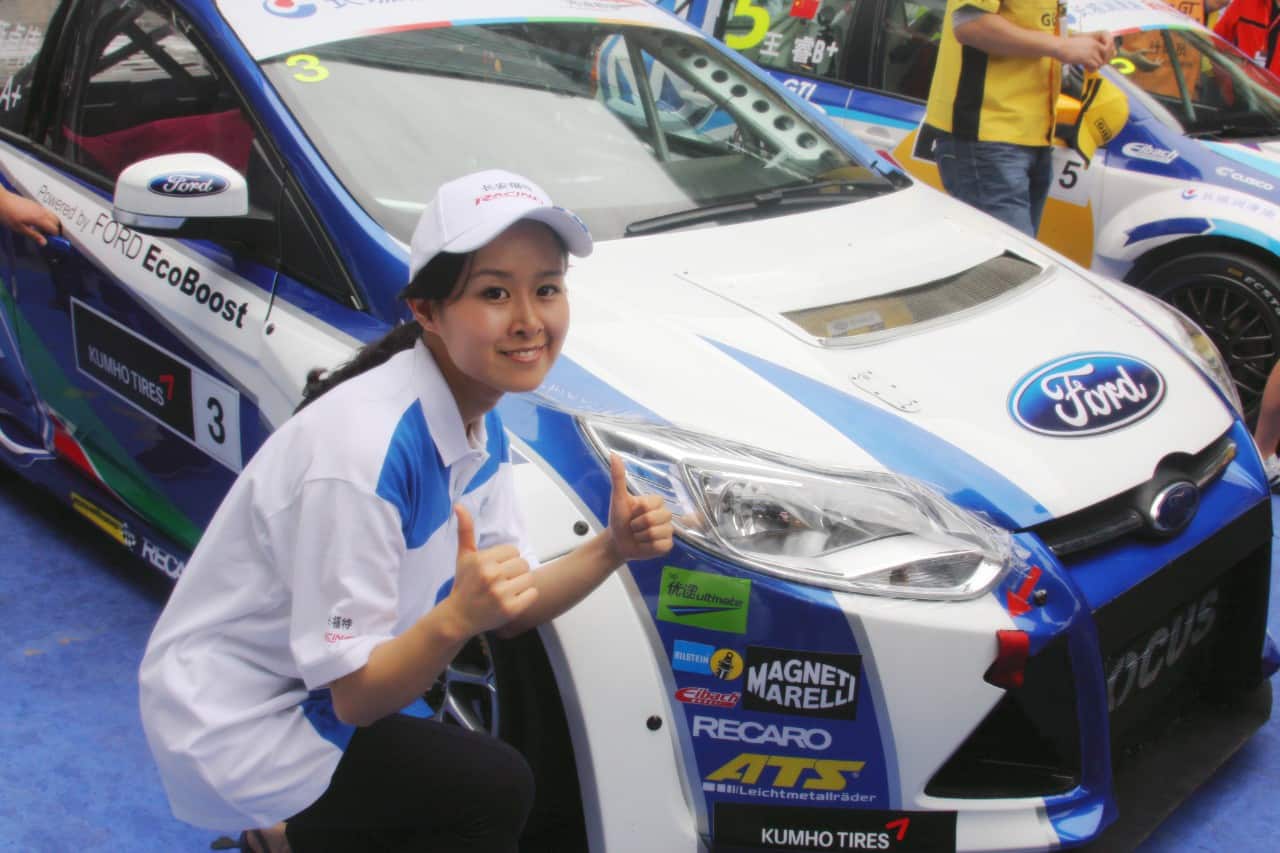
Chelsea at a Ford Focus event in 2013
For many, "novelty" was the defining characteristic of that era.
In March 2006, Chelsea Qian joined Ford as a Marketing Intern. Although her tasks were relatively basic, her exposure was vast: from marketing campaigns and product research to digital marketing and offline events, she experienced almost every aspect of the marketing world.
During that time, she practically treated the company as her second home, finding joy in exploration every single day.
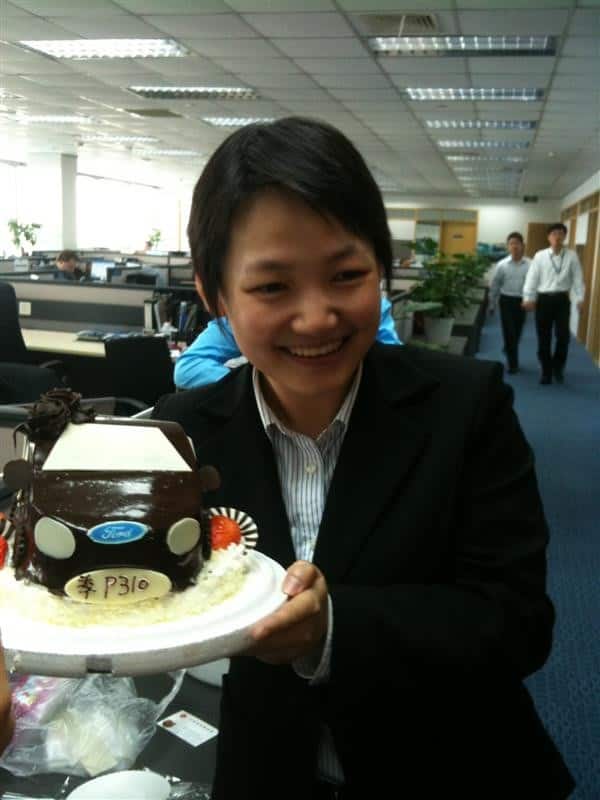
As a product planner, Jackie Ji had a different start. Just two months after joining, her mentor, Tom Chen, sent her to Changan Ford to work as an interior engineer for six months. The logic was simple: "What does a rookie know about product planning? You need to build a foundation on the manufacturing frontline first."
She was surrounded by "Old Wizards"—veterans with 15 to 20 years of industry experience. Listening to them chat during tea breaks became her shortcut to understanding the underlying logic of the industry.
She was also responsible for combing through the cooperation terms of the Changan Ford joint venture. Experienced colleagues patiently explained the commercial logic behind every clause, which benefited her greatly and broadened her horizons.
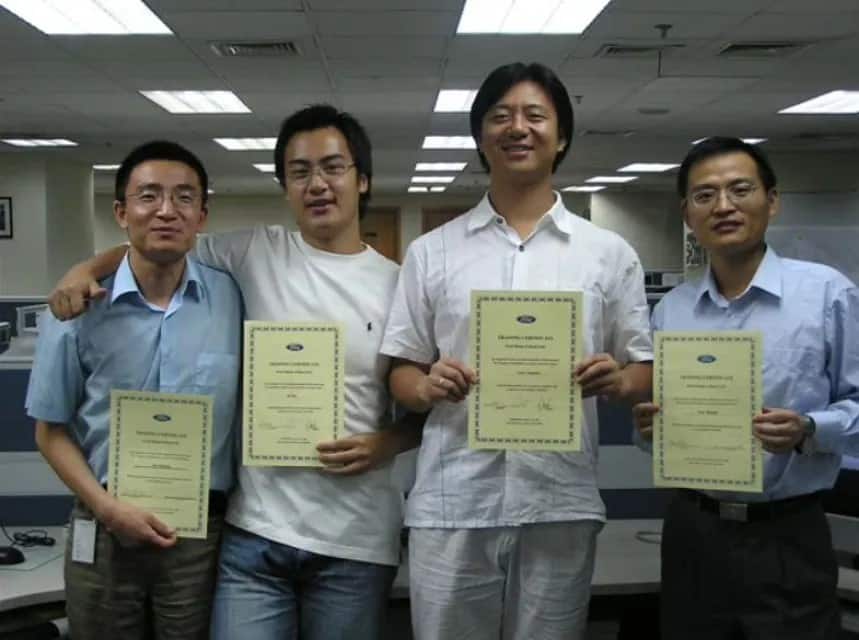
Bruce (Left 2) and Lanny (Right 2)
Bruce and Lanny, stationed in Nanjing, experienced a period of "fumbling through the fog."
Both were Automotive Engineering graduates carrying pure, passionate dreams of building cars. However, in 2005, the Nanjing REC was still essentially a "China Procurement Office." Their daily work consisted of creating Excel spreadsheets and tracking the export progress of parts. They became veritable "Spreadsheet Warriors."
Such a starting point once made them question the meaning of their work.
Yet, even in such a role, Lanny insisted on perfection, meticulously adjusting even the font weight and line spacing in his spreadsheets. Meanwhile, Bruce accumulated valuable cross-departmental collaboration experience through his constant communication with various departments and suppliers to gather information.
By the end of 2006, through sheer effort, Lanny secured his first product development project—a Tire Mobility Kit (TMK) for the North American market. For this project, he was stationed at the supplier's site for three consecutive months. When the mass-produced parts finally rolled off the line, Lanny held the component and wept on the spot.
Years later, watching the Ford Mondeo launch at the Shanghai Auto Show, and remembering the challenges overcome during the pandemic as the project's Chief Engineer, he would find himself moved to tears once again.