Search Enterprise or @FordOnline
Please remove special characters

How Ford Engineers Re-Create the World’s Worst Weather

Mar 06, 2025

Have you ever started your vehicle in the extreme cold of winter and been grateful it worked the same as it does in warmer temperatures? You have a team of Ford test engineers to thank for that.

While not all of Ford’s cold weather testing takes place in actual outdoor scenarios for a variety of factors including cost and timeliness – the company has a robust combination of facilities, including in northern Michigan, and tests that can simulate those conditions indoors – it’s all part of ensuring your Ford and Lincoln vehicles and their components behave as intended.

Ensuring cold weather performance

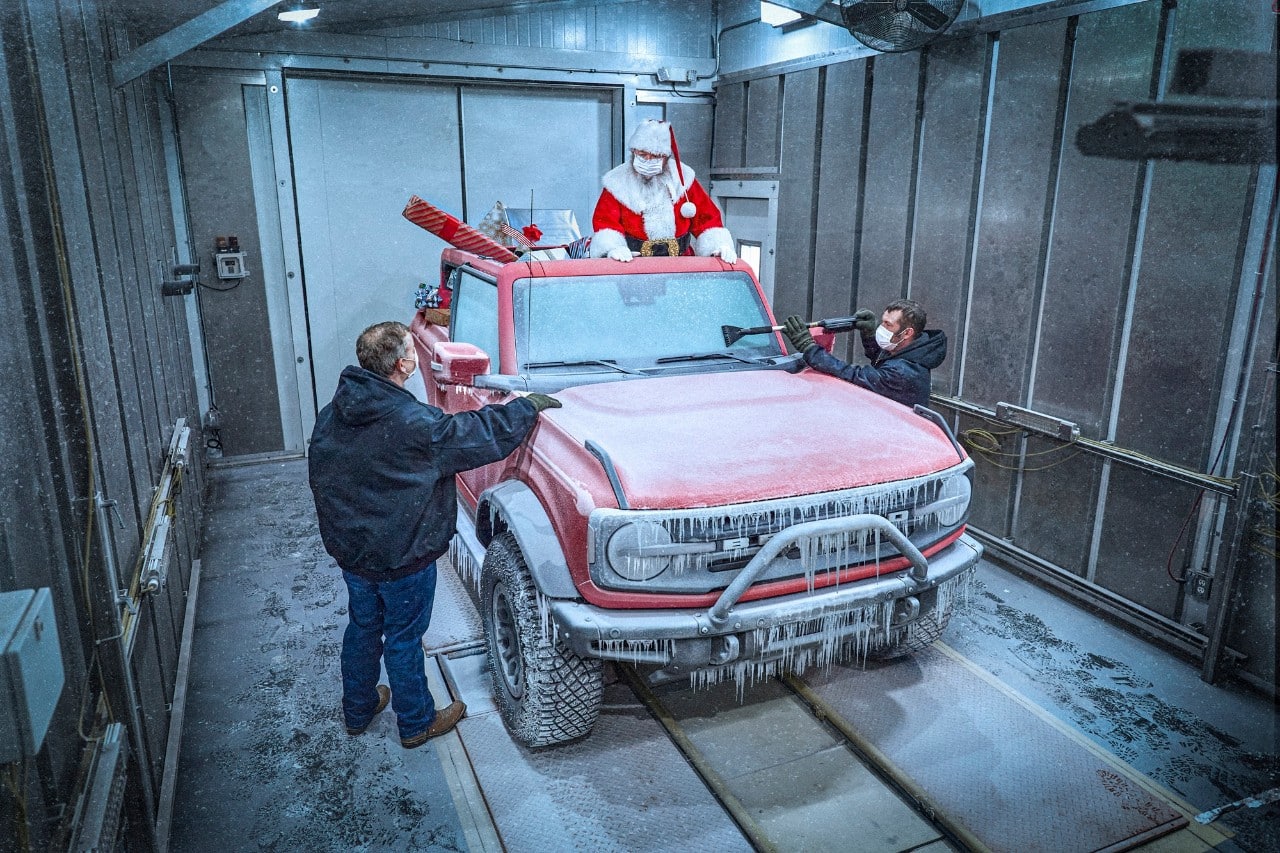
Ford’s Drivability Testing Facility (DTF), located in Allen Park, Michigan, contains various testing areas, including wind tunnels, numerous “soak” rooms and multiple Chassis Dynamometer labs. 

These spaces are used to ensure quality, durability and performance in some of the vehicle parts most susceptible to extreme cold temperatures, including interior components and electronics, as well as front-end pieces such as the grille, active grille shutters, and air intake systems.

Last year, Ford invited several influencers to come check out the company’s winter testing at our facilities.

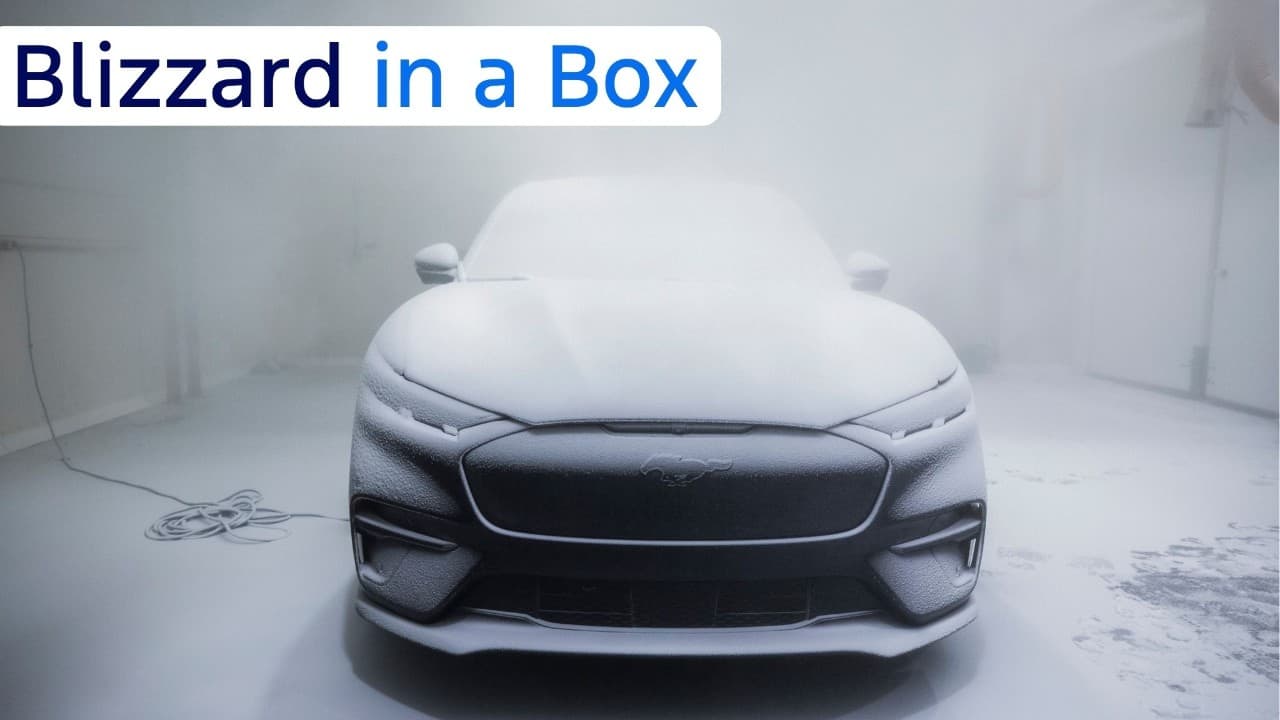
“Soak” rooms, which are large spaces that can create temperatures between -40 and 131 degrees Fahrenheit, are used to conduct temperature-related evaluations for functions such as parking in the snow, freeze-and-thaw cycles, and window frost clearing and defogging, among others. One recent example performed on a 2023 Mustang Mach-E GT simulated what would happen if the vehicle was driven home and parked overnight in wintry conditions, with melted snow and ice refreezing before morning. The test, which was performed at -4 degrees Fahrenheit, helps ensure the vehicle’s doors and windows will move freely after ice has formed on the vehicle.

From Dearborn to Death Valley

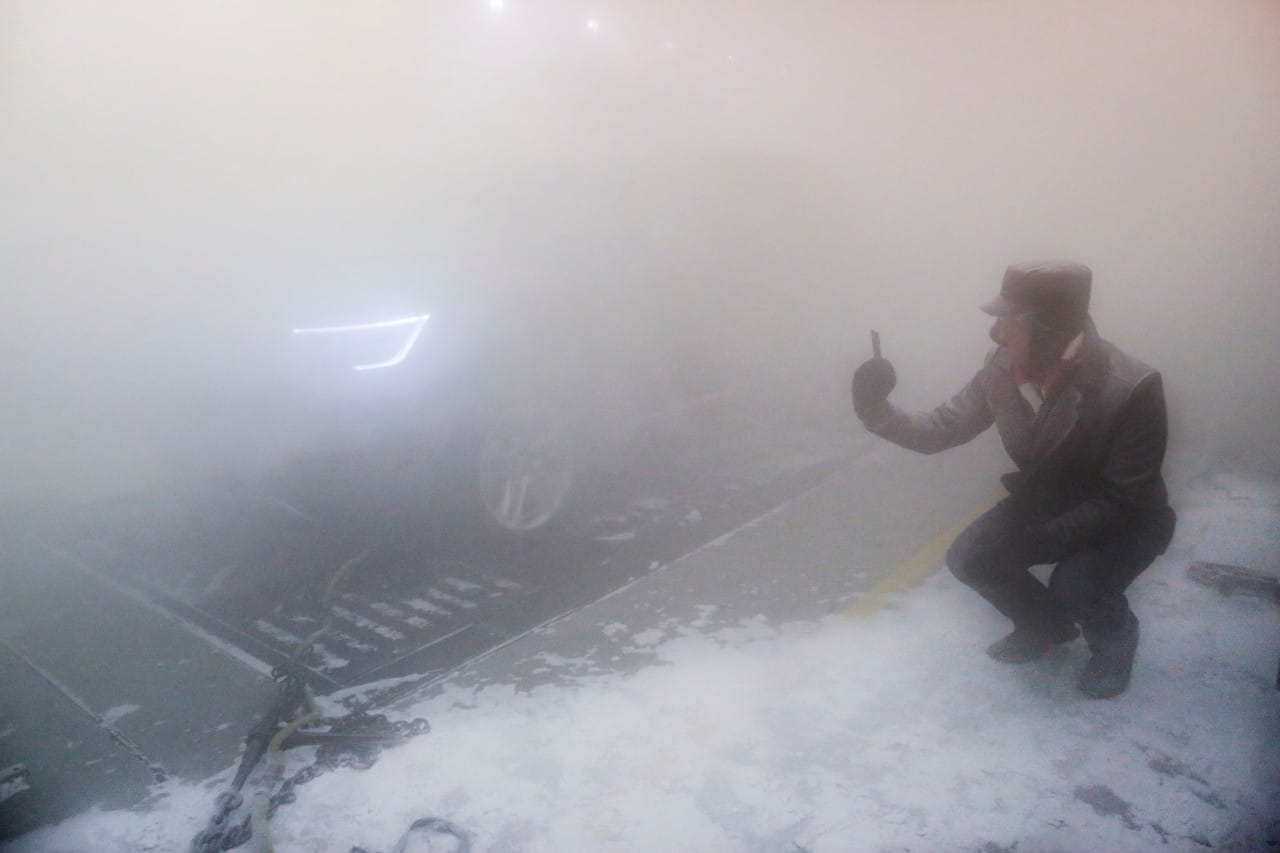
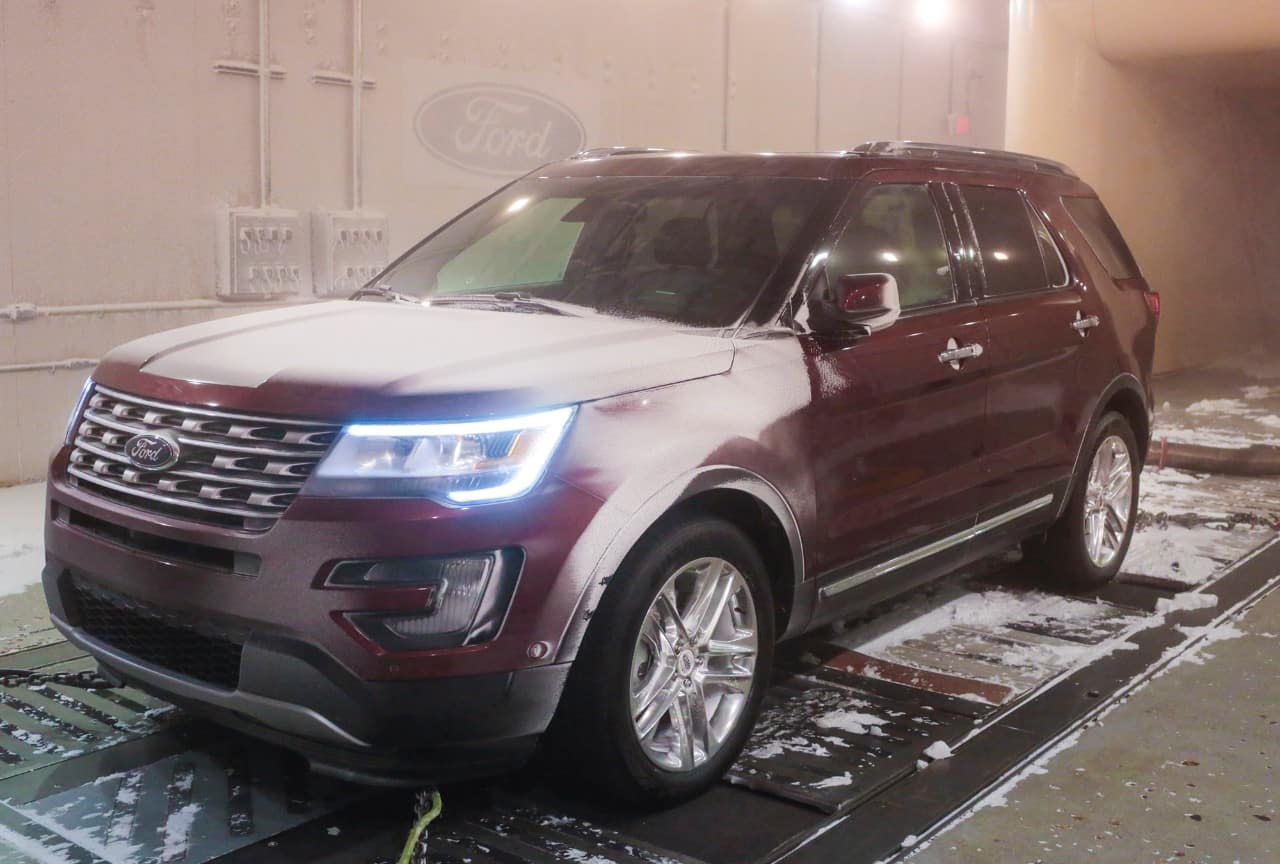
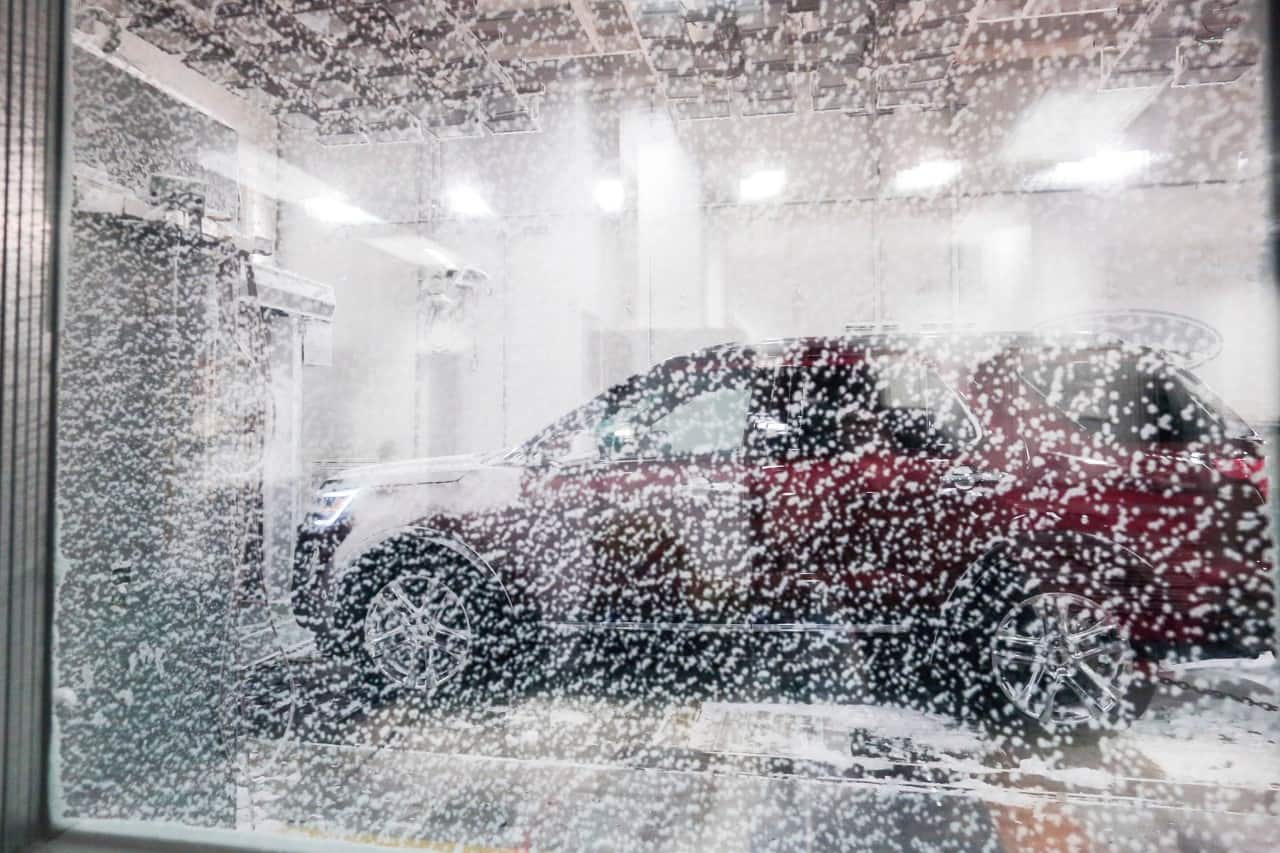
Another weapon in Ford’s cold weather testing arsenal at DTF Wind Tunnel 7, can re-create rain and snow conditions with wind speeds of up to 125 mph and temperatures ranging from -40 to 131 degrees Fahrenheit. The space allows Ford to simulate conditions as extreme as the blistering heat of Death Valley – known for being the hottest place on Earth and its location below sea level – and a blizzard at a 12,000-foot elevation, all in the span of a single test. 

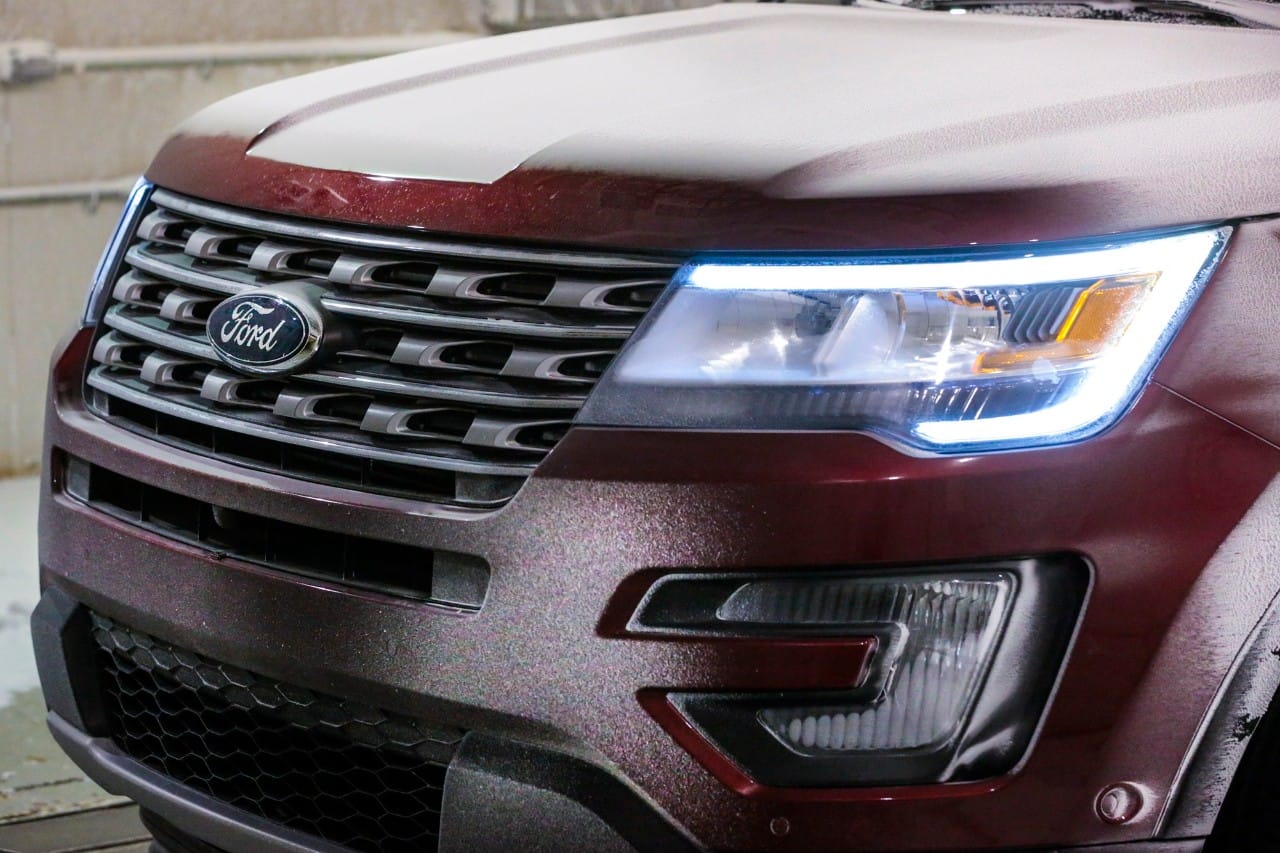
Engineers replicated a test to evaluate how a 2024 Bronco Badlands can drive through a snowstorm at -15 degrees Fahrenheit with wind speeds of 40 mph. The simulation helps ensure the engine’s air filter system does not get restricted by the snow that is being sucked in as the SUV endures the storm.

“We really want the snow and water to fall out of the air path,” said Tommy Tran, a Water Management Quality technical specialist. “So, the airflow path needs to be a torturous path so that the snow and water kind of separates from the air, and we get clean air through the filter and not clog it up.”  

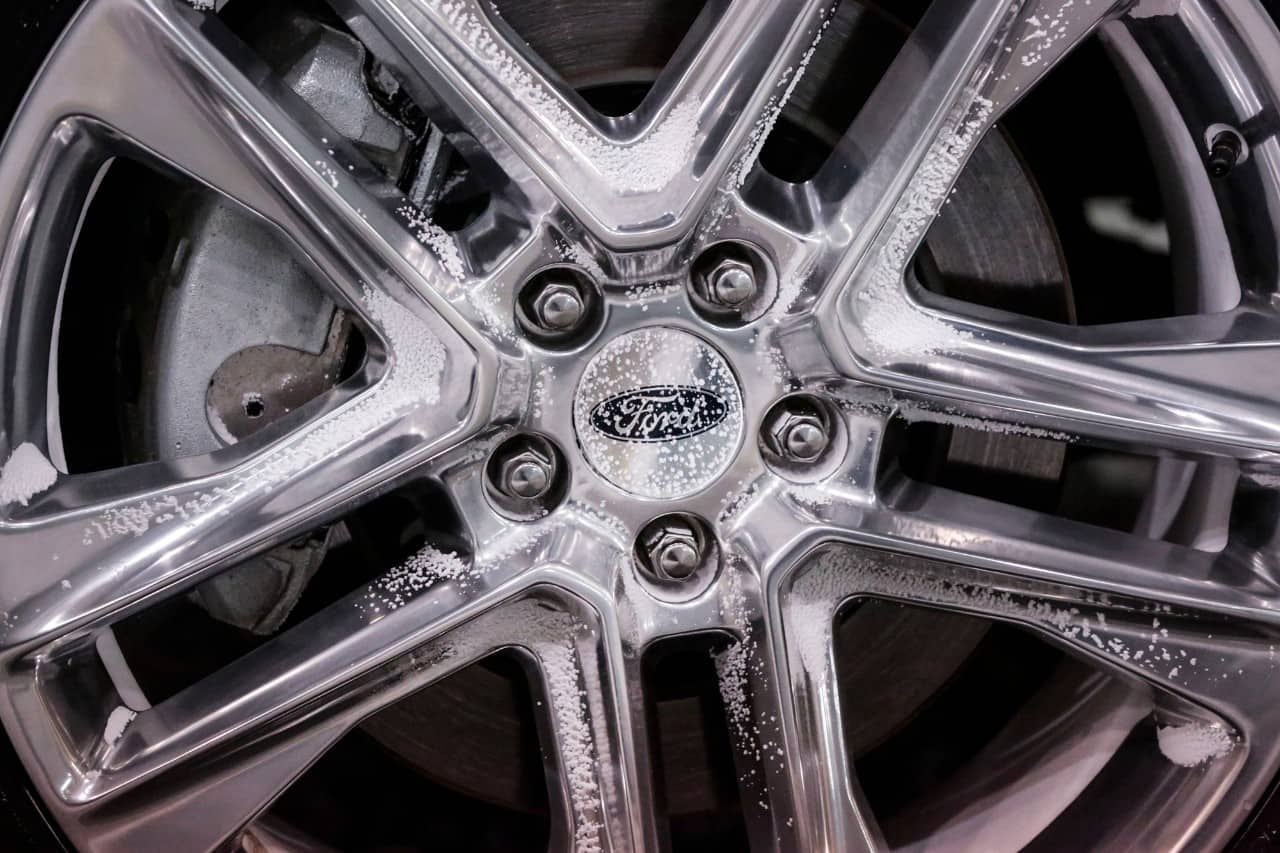
Tran said this type of cold weather testing was new to the automotive industry within the past decade. He added that the artificial snow used in Ford’s facilities provides a more robust test of our vehicles and their components than the naturally occurring version because of its composition. During a collaboration with the University of Toledo in 2017, which was intended to create analytical tools, an expert from the school confirmed Ford was testing in worst-case conditions, Tran said.

Secret winter weapon

In addition to the convenience and cost savings that testing indoors can bring, Tran said it also provides a consistency in environmental conditions that cannot be matched in nature. Varying snow totals from year to year in locations where Ford conducts cold weather testing make it difficult to perform the validation the company requires. 

Last year, Ford invited several influencers to come check out the company’s winter testing at our facilities.

The tunnel allows us to run a consistent test every single time, and we know the results are correlated to real-world failure modes.
Tommy Tran
Water Management Quality technical specialist

Tran said cold weather testing has yielded “significant improvements” to the air intake systems of Ford vehicles in recent years, notably for the diesel-powered variant of the Ford Edge sold in Europe. The testing revealed a protective shield over the SUV’s air intake inlet was allowing snow and water to shed before it reached the airflow.

Beyond the blizzard

While catching these quality issues before they reach our customers is critical, Tran said Ford is developing Computer-Aided Engineering (CAE) methods to discover failure modes earlier in the design phase, which should be especially helpful with water-related issues. 

“Our team has our own dedicated CAE group, so we are always trying to develop analytical methods to capture these failure modes,” he said. “If we wait until we get a physical vehicle, it’s just way too late in the program to make critical changes. … So, the analytical CAE methods are going to be the biggest drivers in the future.”

This proactive approach will enable our engineers to identify and address potential problems before physical prototypes are built, saving time and resources in the pursuit of more reliable vehicles.

From frozen labs to flooded roads

Another area where Ford can find defects, Tran said, is in water fording testing, a dynamic test performed by driving a vehicle through standing water. Whether it’s for a sports car or a massive SUV or pickup, this water wading test ensures vehicle systems continue to function properly.  

Ride height and component height are the biggest factors in how a vehicle will respond to water, Tran added, and the results can lead to front fascia and underbody components being redesigned or otherwise modified. Ford is still developing analytical tools for this test, and Tran said it is challenging to predict the outcome because each of our vehicles has a different response to water. Also, every Ford or Lincoln owner will handle a standing water situation in their own way.

Tran said Ford is placing an increased emphasis on this type of testing, which is conducted at Michigan Proving Grounds, Ford’s six-square-mile compound located on the northern outskirts of Metro Detroit.

Ford’s commitment to quality

Through a combination of simulations and rigorous real-world testing, the company’s test engineers are hard at work making sure you don’t notice a thing when the weather turns extreme. 

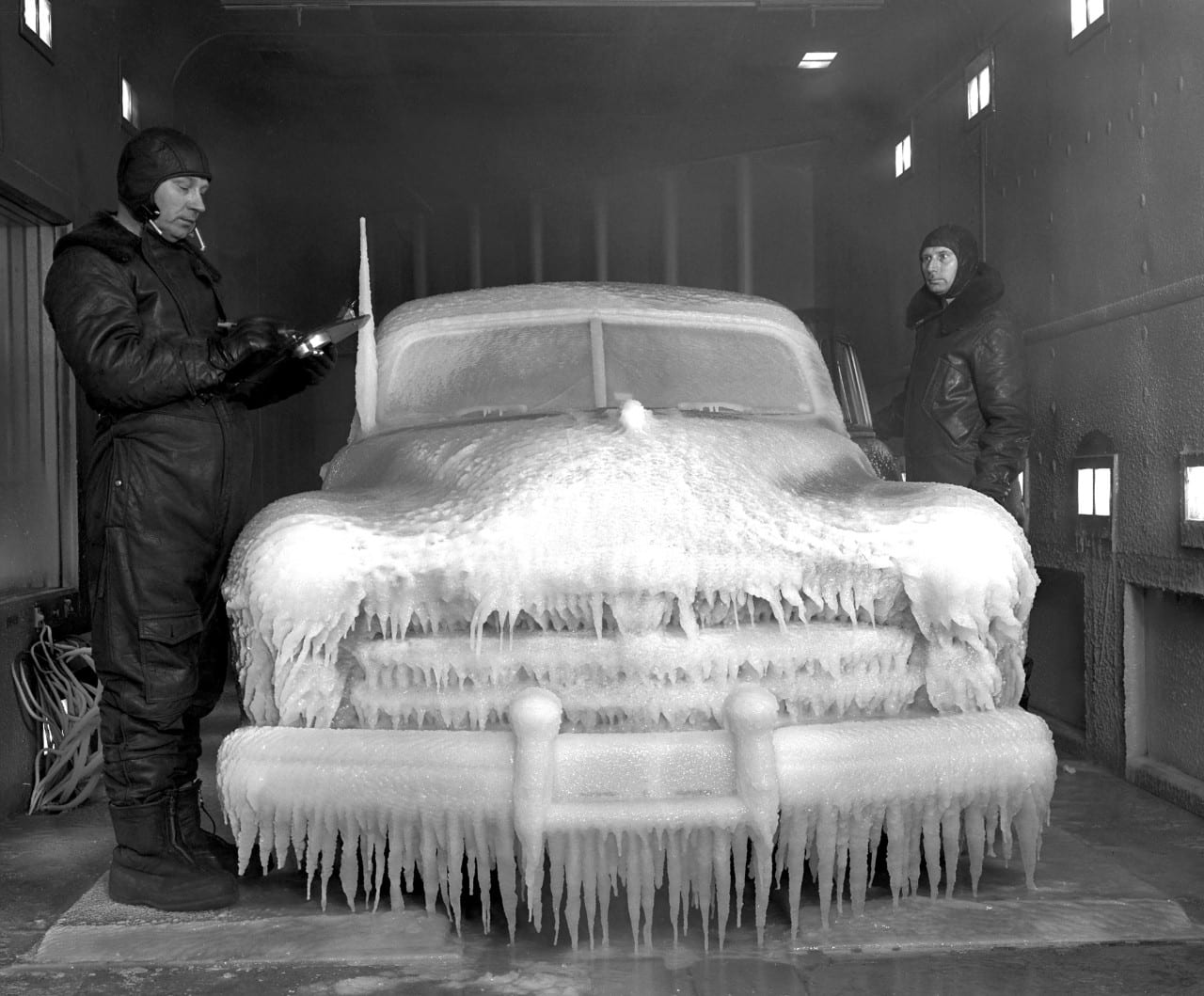
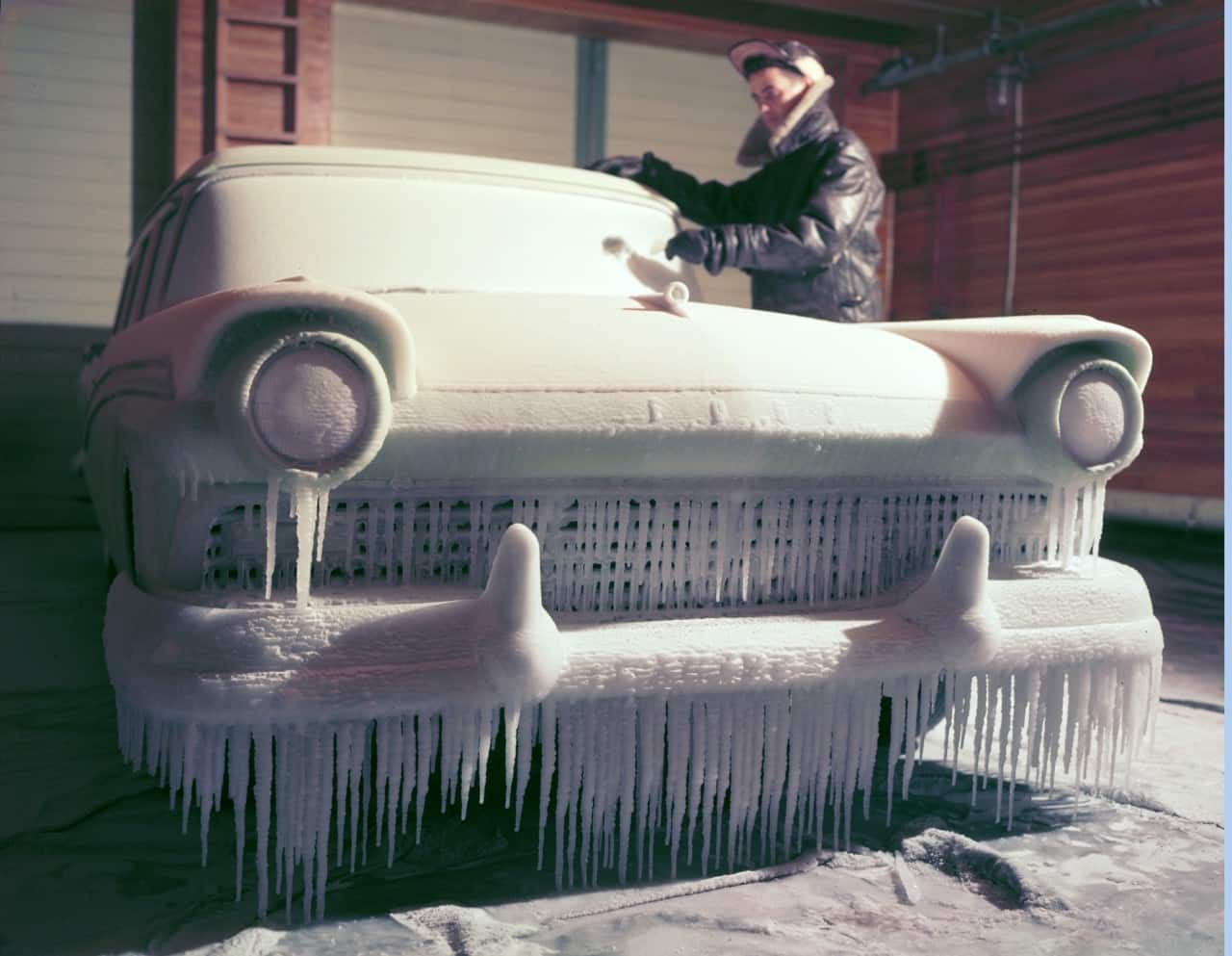
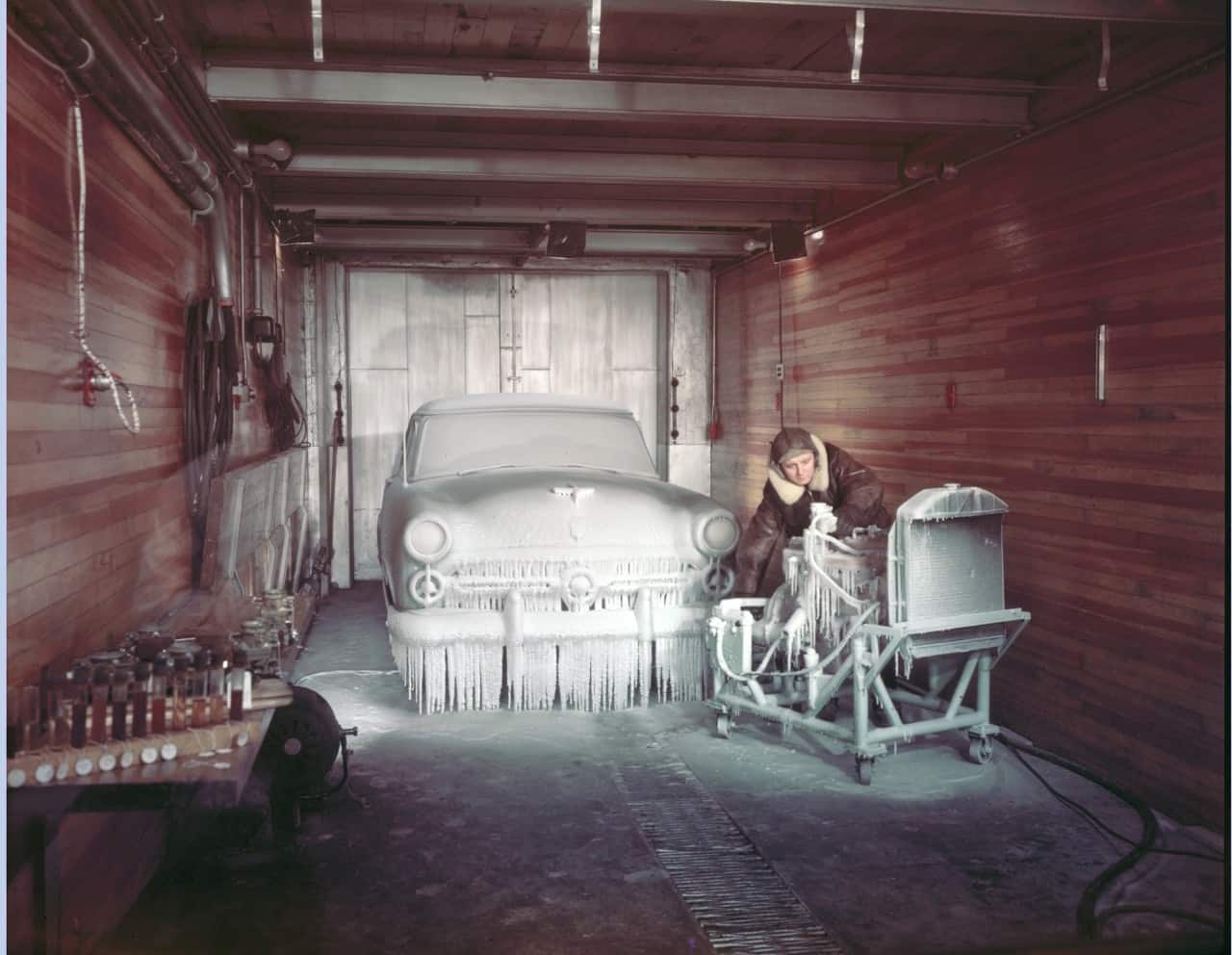
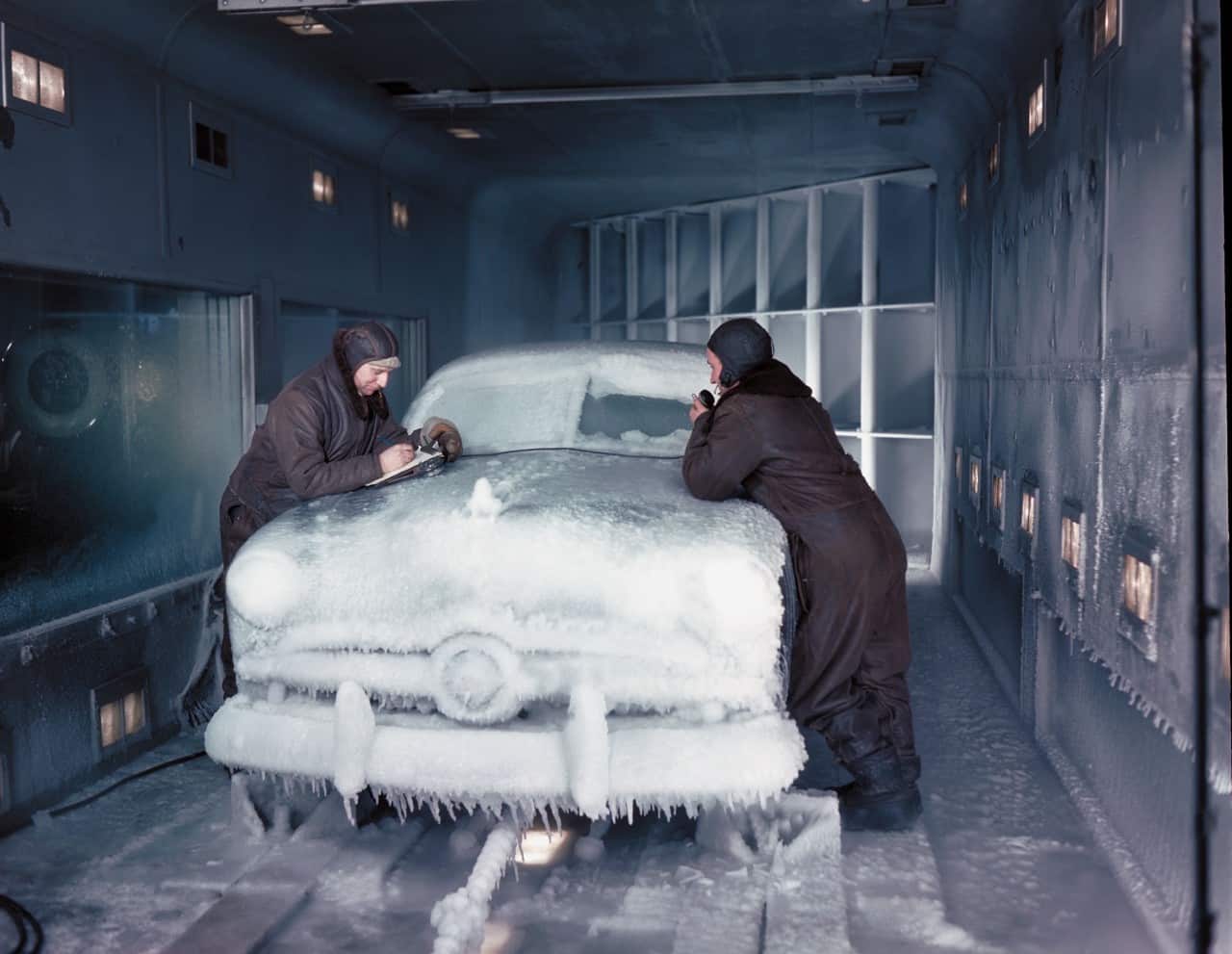
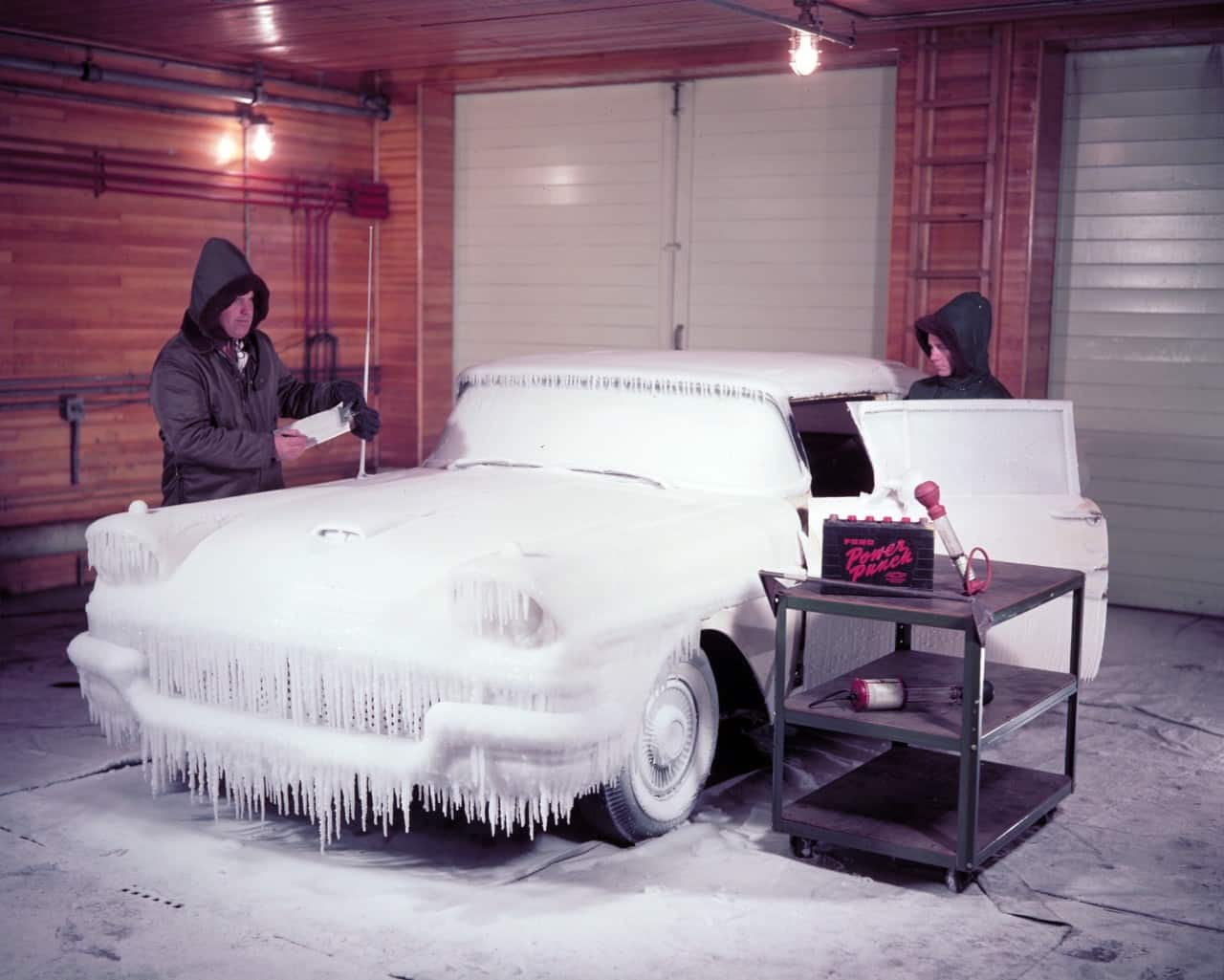
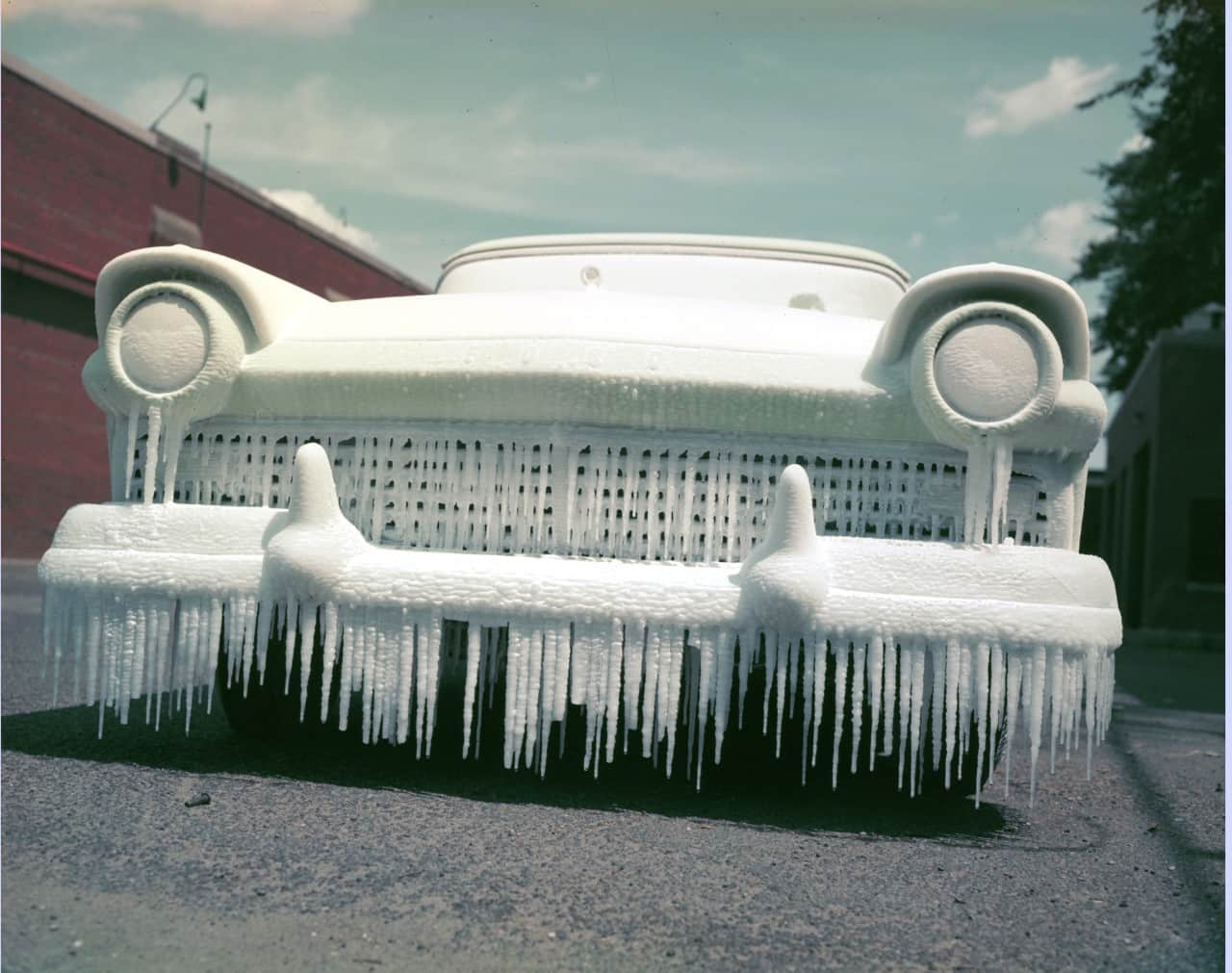
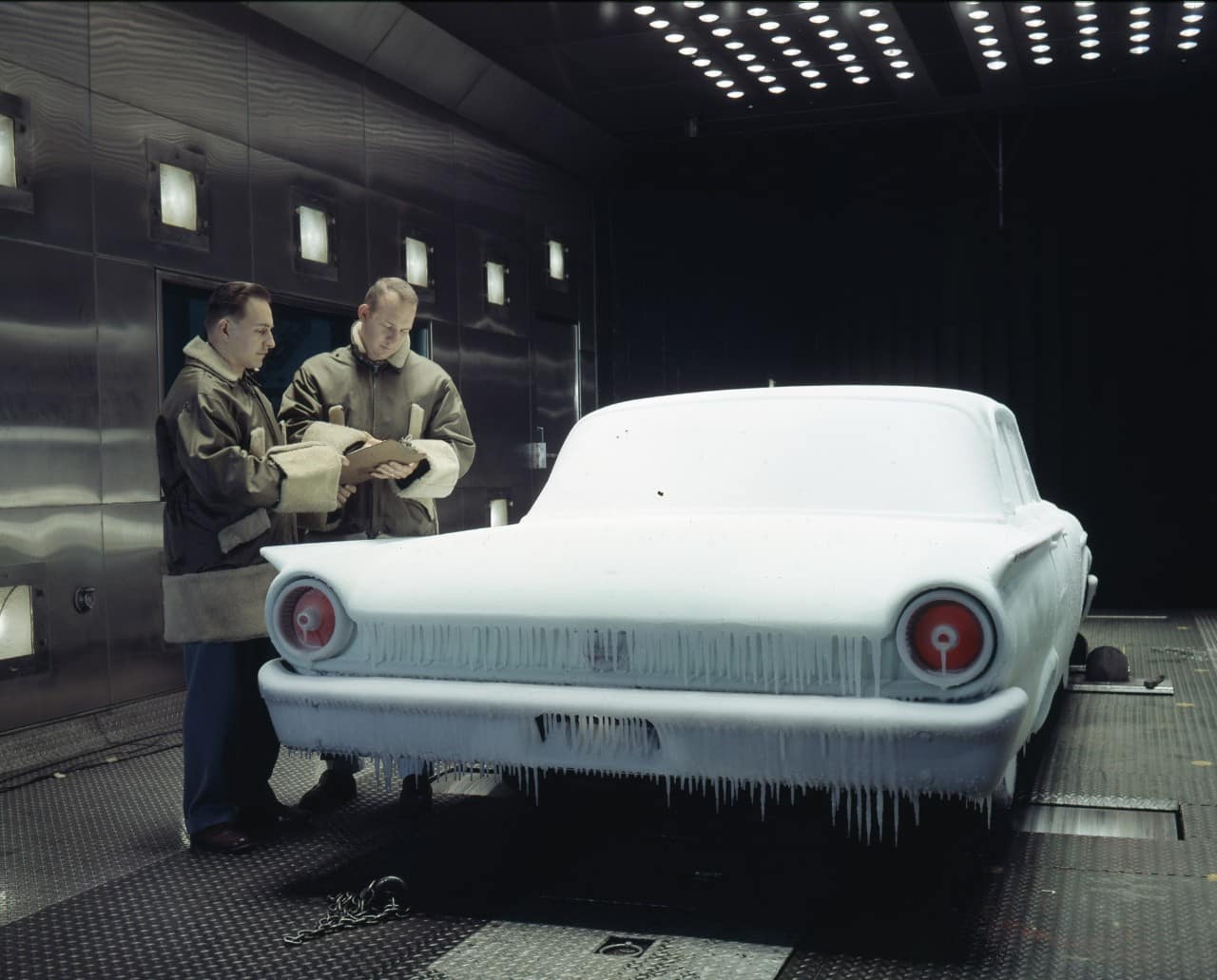
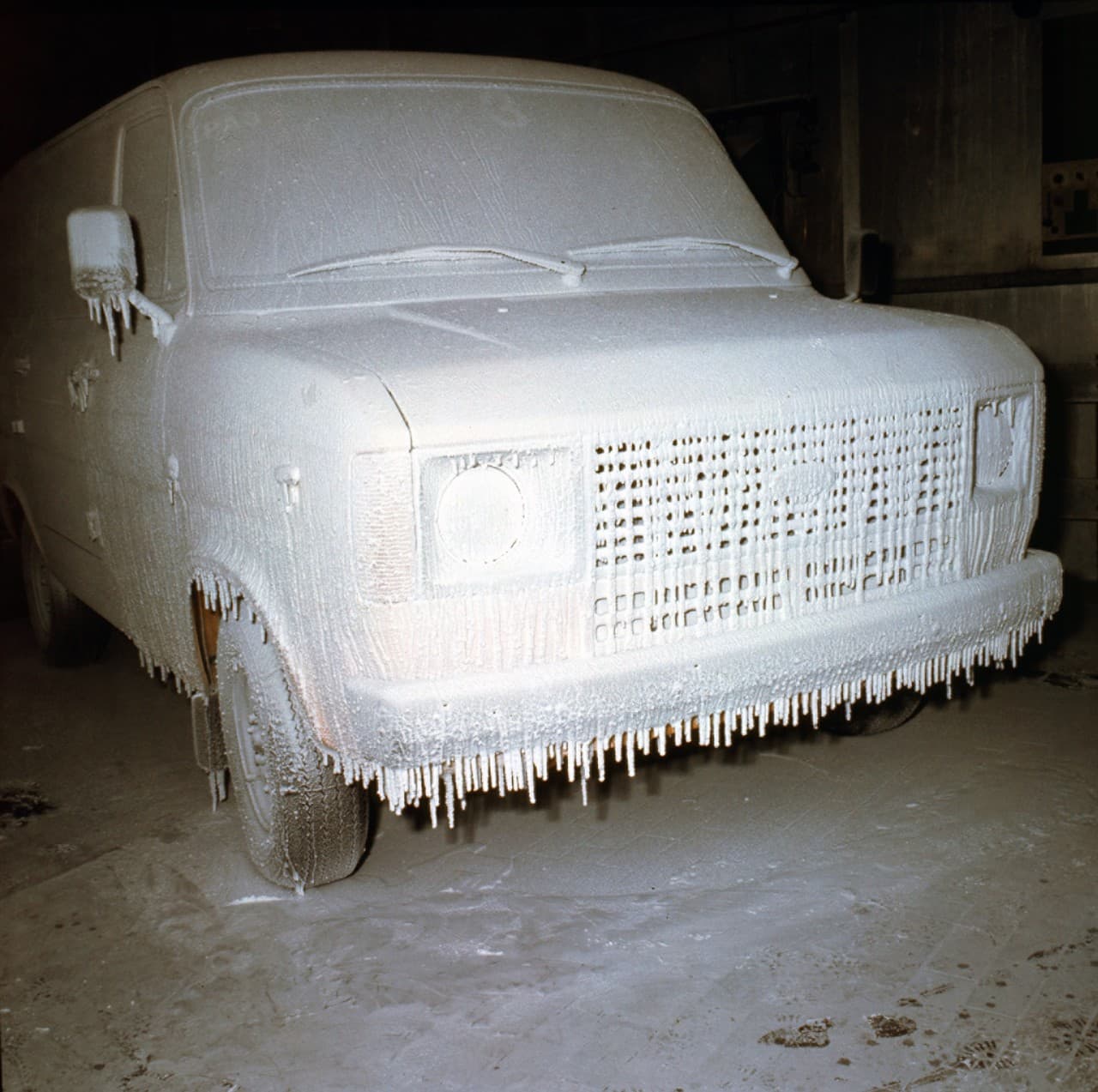
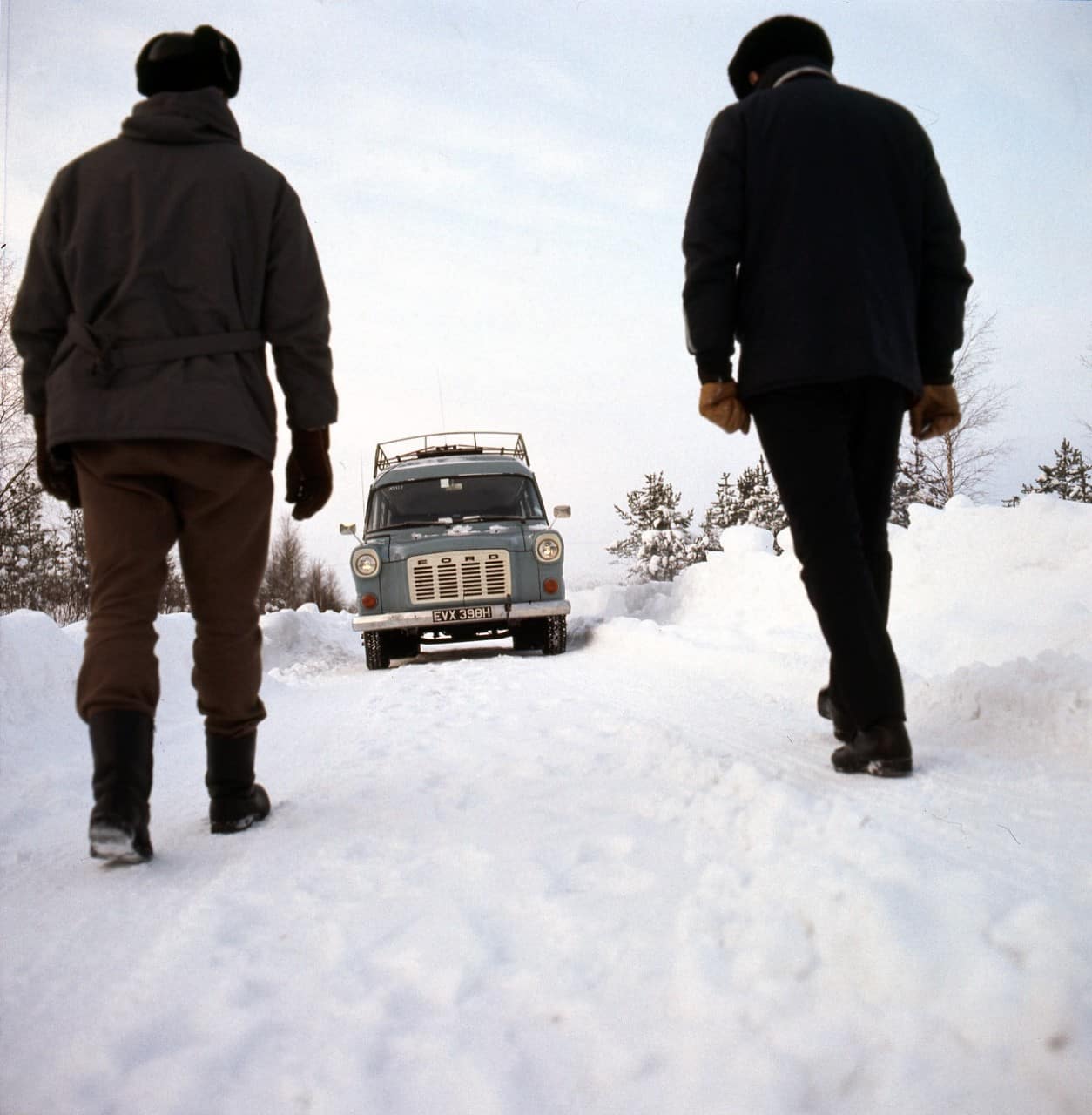
You’ve seen some of the ways Ford is cold weather testing its current vehicles. Check out this photo gallery to see archival photos of testing from years past.