Search Enterprise or @FordOnline
Please remove special characters

2025 Competitive Wrap-Up: Launches, Trends, and Insights

Dec 11, 2025


Welcome to Outside the Oval, a column on @FordOnline highlighting trends, stories, and happenings in the broader competitive automotive world. I’m your host, Ryan McManus, head of Ford’s Competitive Intelligence team.

Can you believe we have only a few weeks left in the year? I’m still eating Halloween candy! At this time each year, the Competitive Intelligence team compiles our *Annual Report — our attempt at making sense of the thousands of articles, reports, analyses, and forecasts we’ve read and seen over the year. What will 2025’s metamorphic energy mean for the future of our industry, and how will those new patterns begin to reveal themselves in the year to come? What will stick, what will fall away? 
 
In the future, we may look back at 2025 as the year that permanently remapped the automotive industry — the beginning of an era in which archetypes were abandoned, longtime rules were questioned, and established players, products, plans — even processes — were rewritten. For all the expected tumult and volatility we forecast going into the year, we could not have predicted some of the outcomes we are just starting to see emerge. Things like powertrain power of choice, off-road enthusiasm, in-cabin screens — even the industry’s struggles over Apple’s CarPlay. 

So, I thought it would be fun to spend this issue of Outside the Oval looking back at 2025. And when we reconvene in January, we can talk about what we expect 2026 will bring. Sound good? 

Let’s dive in.
2025’s Key Launches

We typically like to do a “top 8” competitive launches for the year — the vehicles that were critical to know about. This year, we have three from Korea, two from Japan, two from China, and one from Germany. Half are EVs and two are trucks. Here are a few highlights (as always, you can read our full report *here):

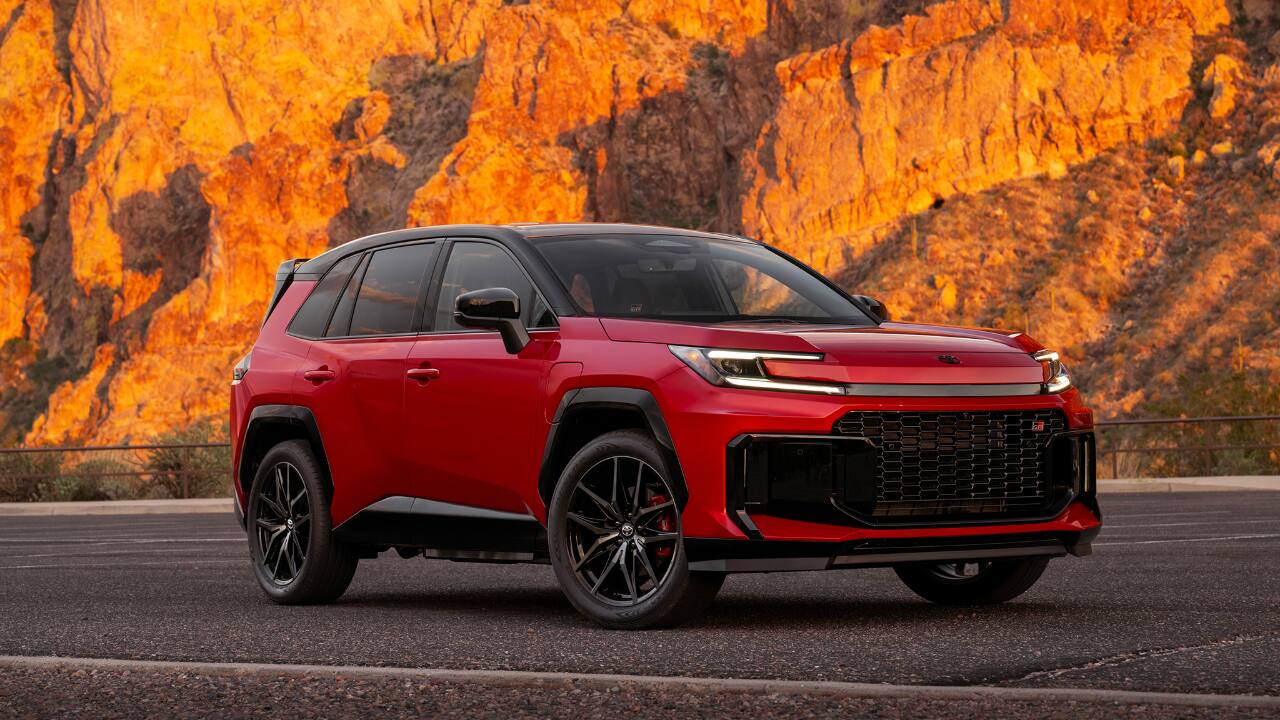
The most popular car in America (that’s not an F-Series truck) is now a hybrid, standard. Toyota’s *venerable RAV4, now in its 6th generation, got a new design for 2025 with an FHEV powertrain as standard (no ICE will be available in the U.S.). The RAV4 will also get a range-topping “GR Sport” trim that will leverage their PHEV powertrain for on-road performance. RAV4 will be sold in 180 countries worldwide. 

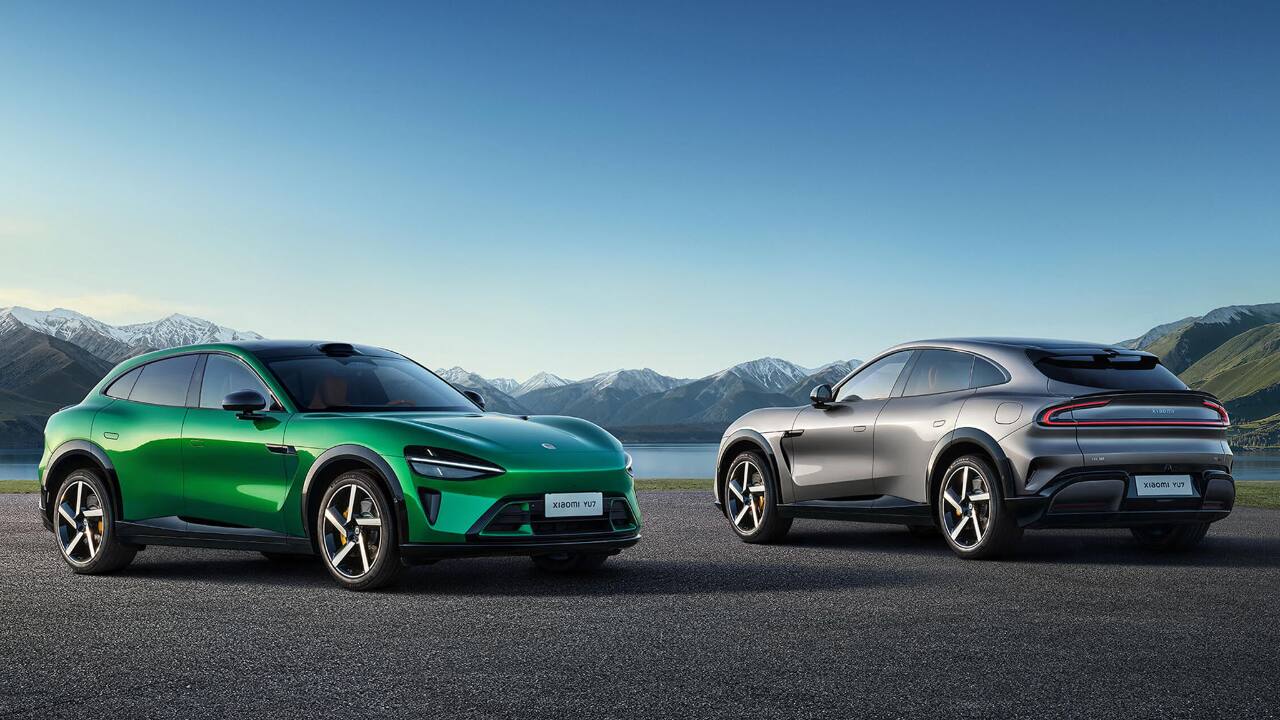
In China, electronics giant Xiaomi began selling its second vehicle, the *YU7 SUV. Following the success of Xiaomi’s first entry SU7, the YU7 received over 300,000 preorders and now outsells Tesla’s Model Y in China due to it being considered the best value for the money. Xiaomi’s software expertise and accessory ecosystem have some calling this the “Apple Car” of China. 

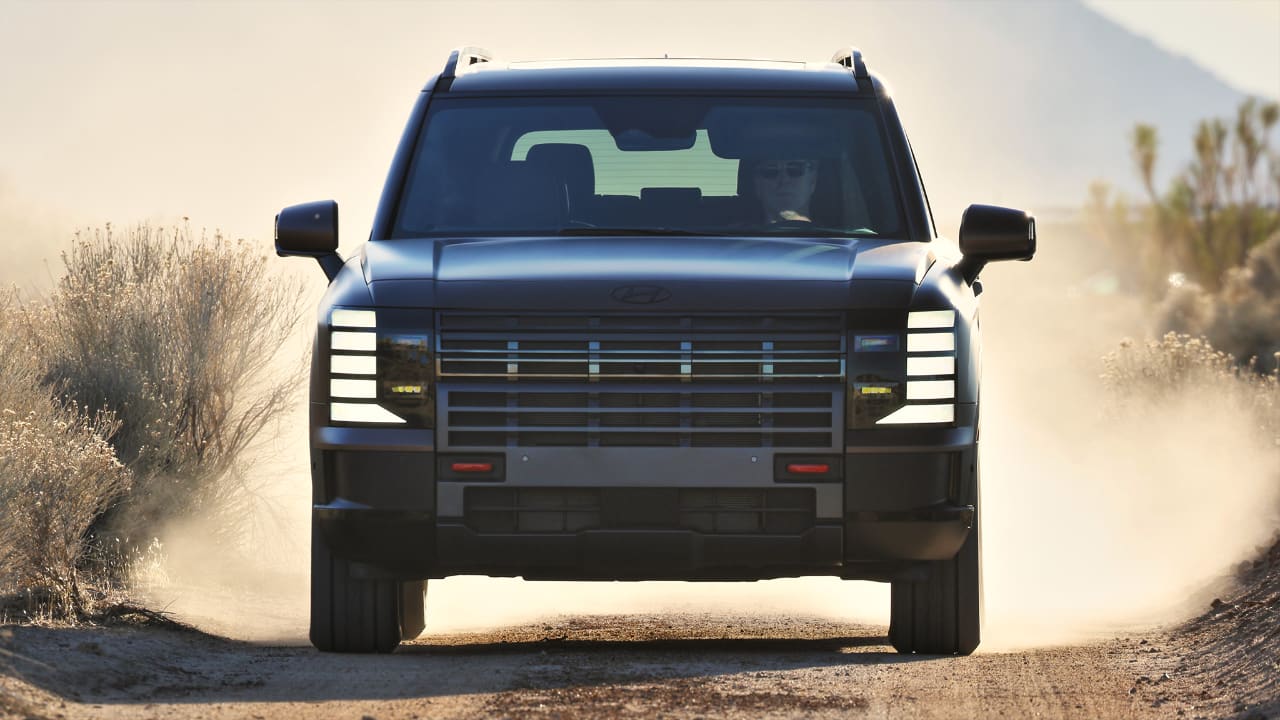
Finally, Hyundai released a stunning glow-up to its *popular Palisade SUV. Trying to steal some thunder from its sister brand’s Kia Telluride, Hyundai’s 2025 Palisade delivers a retro luxury SUV design language on its flagship utility — taking on a Range Rover-like silhouette while offering ICE, and now FHEV hybrid, powertrains.

2025’s Top Story: Power(trains) of Choice

Speaking of hybrids, last year, we predicted a split between cooling EV demand in the U.S. and rising hybrid interest. Turns out 2025 was even messier than that. Powertrain diversity, so called “power of choice,” became the name of the game — driven by price, preference, positioning, and politics. Automakers like BMW and Stellantis flexed *their multi-energy platforms, while others like Porsche *revised their former EV-only future positions. Meanwhile, customers got choices in new V8s, hybrids (full, plug-in, and soon EREV), and EVs.

The V8 engine became 2025's unlikely symbol. Stellantis North America led the charge, with Ram literally creating a "Symbol of Protest" badge — a ram-headed HEMI V8 block —for its 1500 trucks. Ram rushed HEMI *V8s back to showrooms, with a *6.2L TRX looming. Dodge announced its entire Durango lineup would be *V8-only — then backtracked to reintroduce the V6. Jeep recommitted to the 392 V8 Wrangler and will *reportedly add a V8 Gladiator.

The V8 renaissance spread beyond Stellantis. *GM invested $888 million in next-gen V8 development at its Buffalo plant. *Bentley and *Land Rover showcased V8s in their halo models. Genesis teased a twin-turbo V8 supercar. And Toyota announced a new V8 GR GT  supercar — though this one will come as a hybrid. And Toyota announced *a new V8 GR GT  supercar — though this one will come as a hybrid.

Speaking of electrified powertrains, hybrids had a big year. As mentioned, Toyota (whose hybrid-first stubbornness once looked foolish) made the *next-gen RAV4 a FHEV by default — their eighth U.S. model with standard FHEV powertrains, and their bestseller. The top-of-the-line model will be a GR Sport performance trim, with a PHEV.

Hyundai stayed bullish, too, adding FHEVs to the next-gen *Palisade and *Kia Telluride, with plans for *Genesis FHEVs in the future. They announced a "Trinity" platform capable of FHEV, EREV (extended-range EV), and full EV configurations.

And EVs? Well, that depends on where you live. The EV narrative was fractured in 2025; U.S. federal EV subsidies ended in September, while tariffs added uncertainty and cost to new EV launch plans. Despite new three-row models like the *Cadillac Vistiq, Hyundai IONIQ 9, and Lucid Gravity, the large EV market seemed to cool. Honda *delayed its three-row EV, and Kia trimmed EV9 variants. Stellantis *canceled its full-size EV truck entirely.

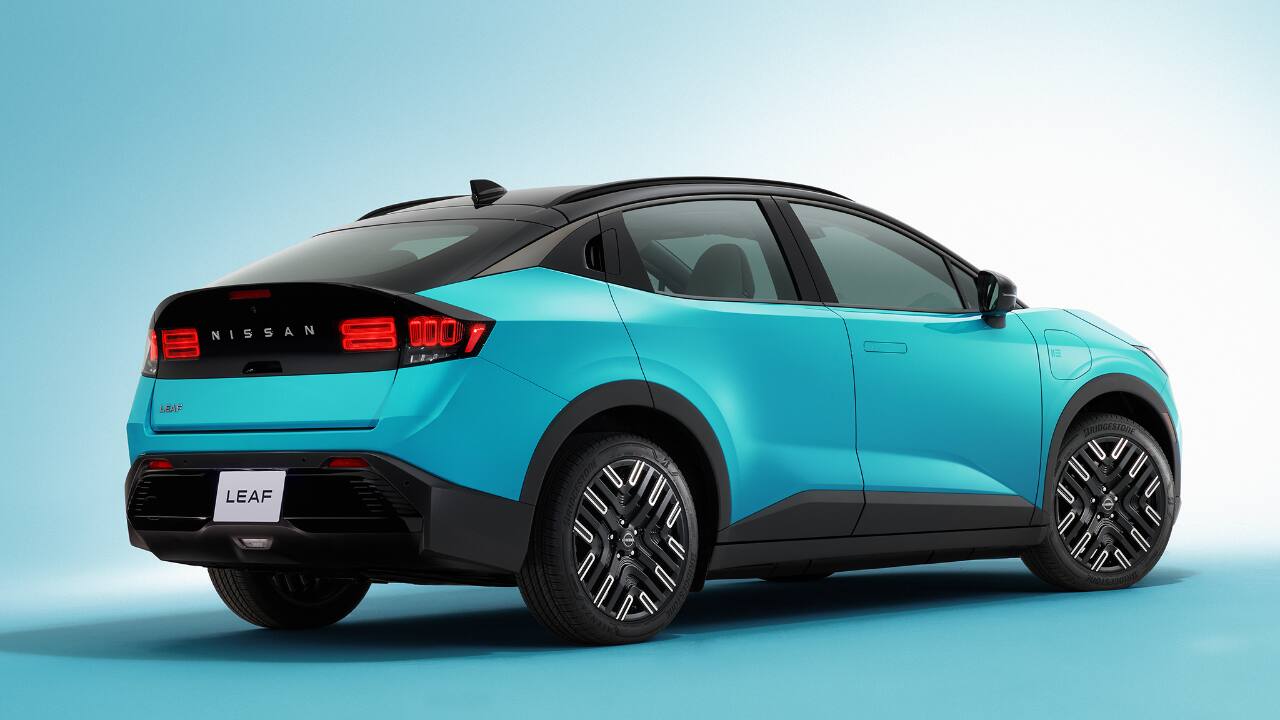
But there’s action at the more affordable end of the market. GM revived its entry-level *Bolt (for the first quarter 2026), Nissan brought back the sub-$30,000 *Leaf, and upstart Slate *surprised everyone with a small two-door EV pickup, expected in the mid-$20K range. 

The takeaway? 2026 will definitely bring more powertrain diversity and tumult, especially across regions with shifting tariff and subsidy landscapes. That's great for consumers with strong preferences — and a headache for product planners.

Cheers!

This is just a fraction of the stories from 2025, so I hope you’ll find some time to *read our full report. Before I sign off for the year, I wanted to thank you all for reading this column. It’s my first year doing it, and your comments and notes have been a ton of fun to read and reply to. I hope each of you gets some time to pause and reflect at the close of the year and come back fresh in 2026, ready to face the challenges together. 
 
Thanks for reading. You can keep up with all critical competitive news and reports by subscribing to the weekly CI Product Insider newsletter or by *checking out our Product Insider site. And feel free to drop your questions, comments, or future column ideas into the comments section. I love to hear what you have to say. 

See you next year! 


*You may need to request access to view some of the links in this story.